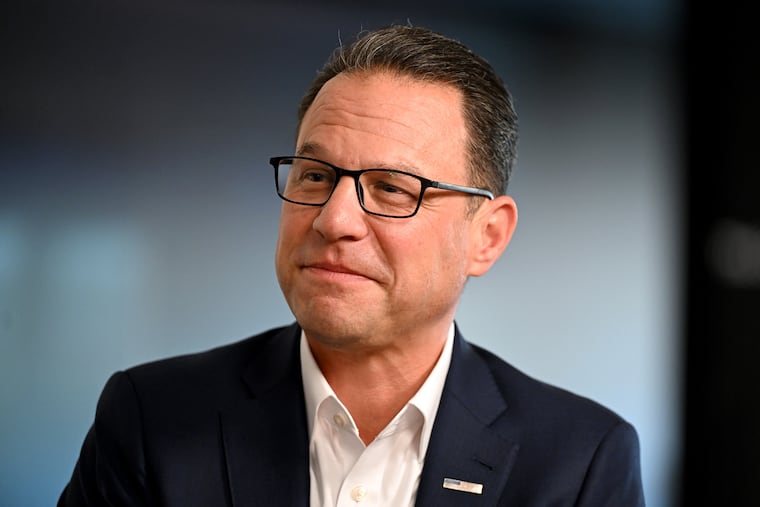
Sixers owner Josh Harris says he embraces the ‘full contact’ of sports ownership: ‘You’re a steward for fans’
Harris spoke on a panel of team owners at the Economic Club of Washington, D.C. alongside Baltimore Orioles owner David Rubenstein, Michele Kang and Ted Leonsis to discuss ownership strategy and more.
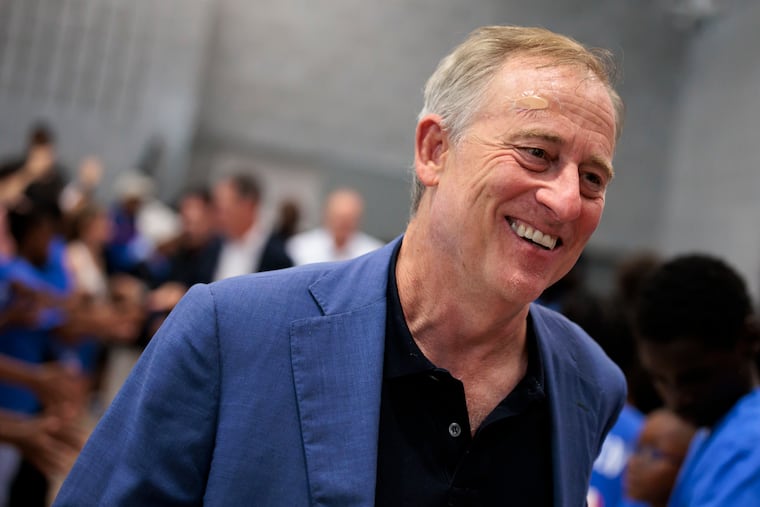
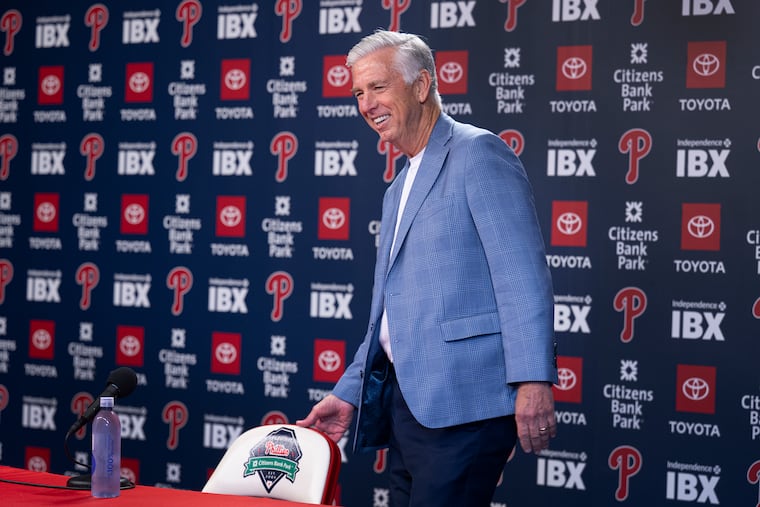
Josh Harris knew what he signed up for when he acquired the 76ers and the other the professional sports franchises under the Harris Blitzer Sports & Entertainment umbrella — scrutiny.
“My mom used to tell me, ‘live your life as if everything you did was written about on the front page of the paper,’” Harris said on Thursday while speaking on a panel of team owners at the Economic Club of Washington, D.C. “Then that’ll guide you in terms of what you do and how you act.”
He added: “People are going to really perceive you and what is good behavior, what is bad behavior, what is righteous behavior. So you’re basically living in a fishbowl. But having said that, I mean I wouldn’t trade it for anything.”
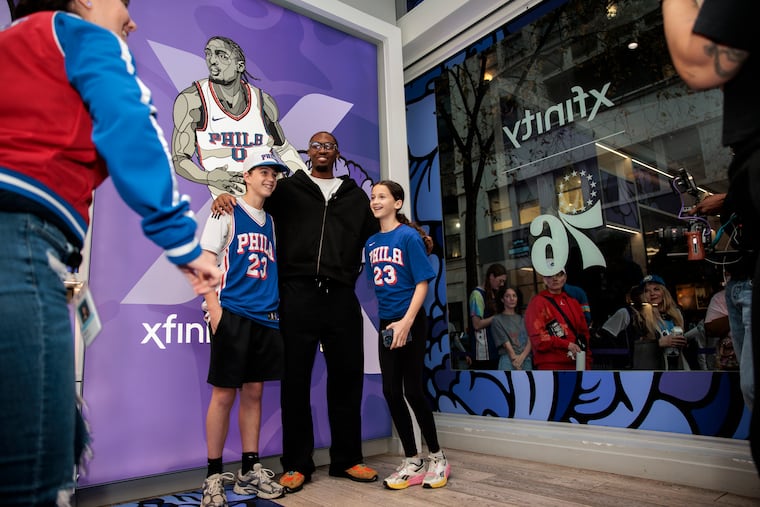
» READ MORE: Sixers fans show their excitement at Xfinity’s NBA Tip-Off event: ‘This year is going to be really special’
Through the years, Harris has dealt with his fair share of pushback from Sixers fans. On Thursday, he touched on these challenges and more.
The event coincided with the release of Baltimore Orioles owner David Rubenstein’s new book Inside the Owner’s Box: Conversations on Power and Leadership in Sports. Harris, who will also operate Philadelphia’s WNBA team -- which is set for a 2030 launch -- was interviewed for the book. Along with Harris and Rubenstein, Kynisca Sports International founder Michele Kang and Monumental Sports & Entertainment chairman Ted Leonsis were also featured in Thursday’s panel.
Each panelist explained what drew them to acquire sports franchises. Harris, who founded private equity firm Apollo Global Management, explained that investing in sports gave him a greater purpose.
“It’s full contact,” Harris said about sports ownership. “Like you’re in it. You’re a steward for cities. You’re a steward for fans. Like no one in private equity, I’m also from that business. … What you do really matters to people’s lives in terms of these big companies that you’re buying and financing and their strategies, but no one really cares about, and I’m going to use a chemical company, Lyondell. No one cares about the price of polypropylene. Everyone cares about the starting lineup of the teams.”
The conversation then shifted into ownership strategy. Harris spoke extensively about the push-and-pull between winning in the short-term and setting up a franchise for long-term success. Harris knows about this more than anyone, having presided over “The Process.” From 2013 to 2017, the Sixers went a combined 75-243 in an effort to tank for draft position. The strategy angered Sixers fans and the NBA, alike.
“Every once in a while there’s a good trade that comes on, you should be opportunistic,” Harris said. “Free agency, you generally overpay by about 30%, so the real way you build a team over longer is the draft. And that just takes a long time, right? And there’s definitely, I would say that most fans, I think their time frames are shorter.”
Harris also touched on the importance of player retention and keeping his stars happy, joking he “I didn’t realize that I was going to be working for Joel Embiid but I do.”
The owners on the panel were asked how they navigate voicing their values and opinions publicly. Harris, who also owns the Washington Commanders, previously faced criticism for presenting President Trump with a custom Commanders jersey during an event last year at the White House after Washington was awarded as the location of the 2027 NFL draft.
On Thursday, he asserted that that politics and sports “don’t mix,” but emphasized the importance of speaking out on global issues
“Every once in a while, if you see hate in whatever form, you speak out against it, right,” Harris said. “... Because you have fans, you have blue fans, you have red fans. I think that, generally, sports is about inclusivity, it’s about bringing people together. But you see something really bad ... you have to speak out against it.”