Food insecurity in N.J. nearly doubled over four years, new report says
Statewide, 13% of Garden State residents could not always count on three meals a day in 2024, the latest federal figures available.
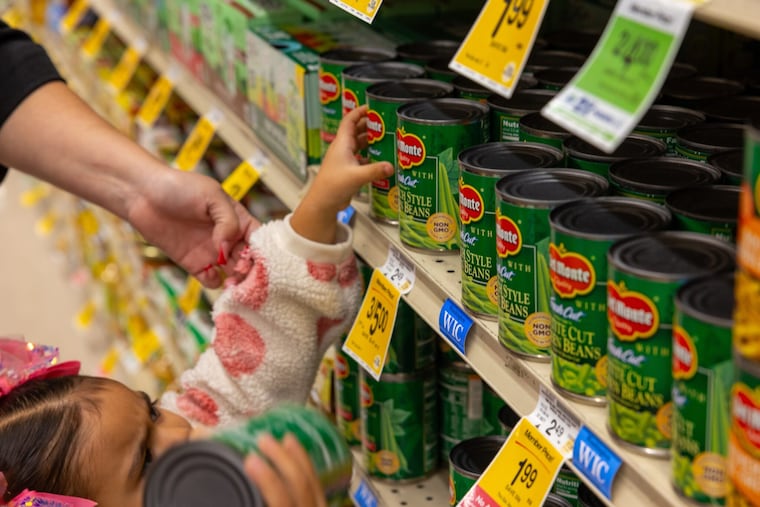
Food insecurity nearly doubled in New Jersey since 2020, with some 1.2 million people struggling to regularly afford food here, according to a nonprofit analysis of federal data.
Statewide, 13% of Garden State residents could not always count on three meals a day in 2024, the latest federal figures available, up from 7.4% in 2020, according to a new analysis of U.S. Department of Agriculture figures released by the nonprofit advocacy group Feeding America. That included nearly 330,000 children, the analysis found.
Hunterdon County had the least food insecurity in 2024, with just 7.2% of its residents struggling to put food on the table, while Hudson had the highest rate, with 19.1%, Feeding America found.
Feeding America has surveyed food insecurity since 2011 and produces the annual “Map the Meal Gap” study to help illustrate the scope of the problem. Nationwide, nearly 48 million people — 14.4% of Americans — meet the federal definition of food insecure, meaning the household did not earn enough to always afford food.
The latest report notes that the U.S. Department of Agriculture has since canceled its collection of food-security data.
“Feeding America is collaborating with the nationwide network and partners to explore alternative data sources to ensure local updates can continue in 2027 and beyond,” the organization said.
In New Jersey, close to 900,000 people benefit from federally funded food stamps, which provide cash payments based on their income level to help them afford groceries. These payments, which average $194 a month, have been shown to reduce stress and boost the local economy, prompting some $33 million in direct spending between 2023 and 2025, according to a report commissioned by the state Department of Human Services, which oversees the food stamp program, formally known as the Supplemental Nutrition Assistance Program, or SNAP.
“SNAP remains a critical lifeline that helps ensure families can meet their basic needs and maintain food security,” Human Services Commissioner Stephen Cha said when the office released that data in June.
New Jersey’s food stamp program costs $1.9 billion annually, most of it traditionally covered by federal funding. Feeding America said it would have cost another $920 million to eliminate food security in New Jersey in 2024.
Changes enacted by the Trump administration recently shifted some of the cost of the food stamp program to state governments. Other changes, including new rules requiring certain recipients to prove they are working, in school, or caring for a loved one at least 20 hours a week, could reduce benefits for some people and force at least 47,000 people from the food stamp program entirely, experts warn.
In 2022, the state launched the New Jersey Office of Food Insecurity, as part of the Department of Agriculture, to help more families access nutrition. New Jersey had the fifth-lowest prevalence of food insecurity nationwide in 2024, according to the office.