How an aging scene like the Olney house poses a challenge for forensic evidence
Despite a lengthy investigation and extensive searches, police have not publicly identified physical forensic evidence confirming violent crimes occurred in the home of the late Raymond "R.C. Horsch.
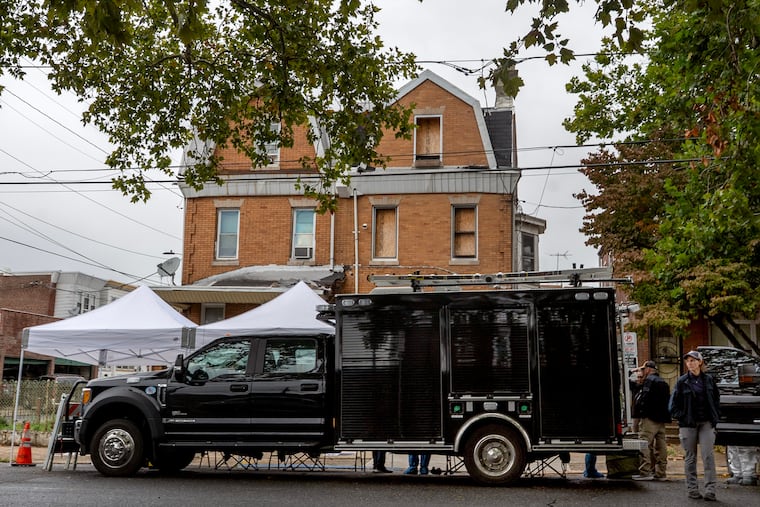
The 400 block of West Chew Avenue has seen an array of investigators since June, when the extensive search of the Olney home at the center of a shocking missing persons investigation began. But more questions than answers remain as authorities carry on the complicated task of parsing through forensic evidence collected from the residence.
Investigators suspect the late Raymond “R.C.” Horsch was connected to at least seven missing women associated with the house. Those allegations come from scads of digital evidence discovered this year that show what police believe to be a murder on camera, as well as women who appeared to be dead in the home.
Despite the lengthy investigation, scores of search warrants, and extensive searches that included excavations of its front and back yards, police have not yet publicly identified physical forensic evidence confirming violent crimes occurred in the Olney home. Gathering forensic evidence is a difficult process, however, especially as authorities contend with factors like an aging investigation scene, degradation of materials, and a lack of human remains.
That process, the Philadelphia Police Department said in a statement, involves specialized testing, extensive coordination among investigative units, and verification of discoveries — all of which takes time. And this investigation has long been expected to be a protracted one.
“Forensic investigations can be complex and time-consuming, requiring the careful collection, examination, and analysis of evidence,” a police spokesperson said. “Above all, we owe it to the victims, and most importantly their families, to get it right.”
Made more difficult by time
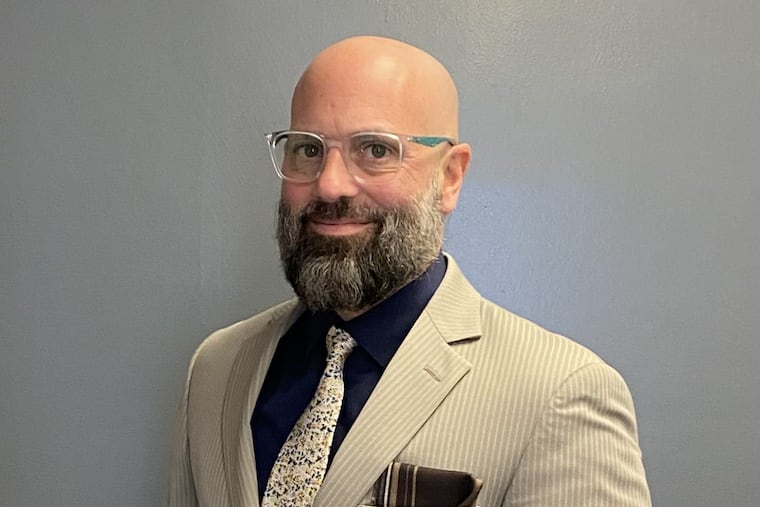
Time presents a significant challenge for forensic evidence collection, and as it goes on, a “whole orchestra of things” works against investigators, said Kimberlee Moran, a forensic consultant and educator at Rutgers University-Camden.
(Moran consulted with investigators on the Olney house but declined to comment on the case directly given the ongoing investigation.)
Cellular materials like blood, saliva, and fingerprints degrade over time, making it more challenging to recover useful evidence. The events of the Horsch case date back years, and the degradation of possible evidence speeds up the more materials are exposed to chemicals and ultraviolet light, or come into contact with people or objects. Even something as simple as a fan on a hot day could blow away relevant residues, she said.
In that sense, it would not necessarily take a sophisticated cleanup job to obscure evidence from investigators years later. Everyday actions could significantly diminish the amount of recoverable forensic evidence.
“It’s literally just living your life in that space over many, many years. Additional material is going to be shed, things are going to be moved around,“ she said. “This is not some place that has been frozen in time.”
The search for DNA
Law enforcement sources in October said investigators had employed luminol, a chemical that illuminates upon exposure to iron, revealing areas throughout the home that appeared to resemble blood spatter. Luminol, however, can also visibly glow when in contact with other substances, such as bathroom cleaners.
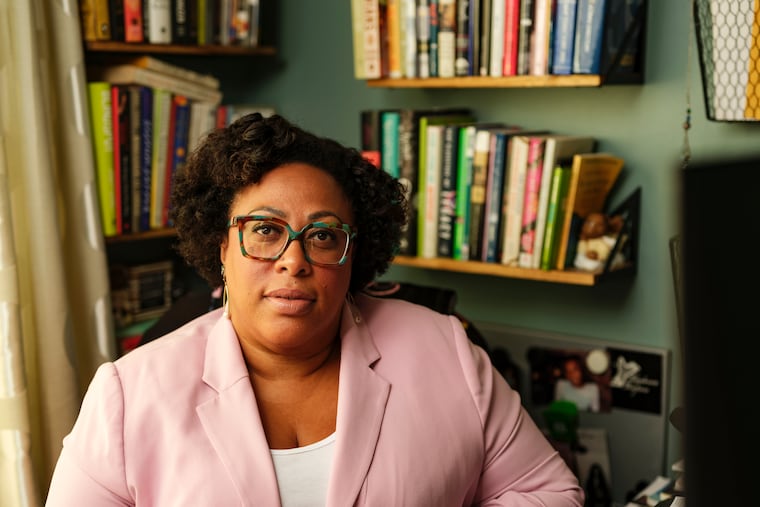
“There can be false positives,” said Thomas McAfee, a retired FBI special agent and former senior team leader of the Atlanta Evidence Response Team. ”But if you were to see spatter, even after someone cleaned, you would take a sample.”
Investigators, he added, typically would look for hair or fiber samples in rooms and on cloth materials, and forensics teams can cut away entire sections of walls, flooring, or doors to send off for DNA testing.
But in terms of practicality, Moran said, it is not realistic to examine every item or surface in a home because forensic labs have backlogs and limited resources.
“You can’t test every swab for DNA,” Moran said. “You have to figure out what swabs are going to be probative and what swabs aren’t.”
Moran added that in the United States, investigators tend not to strategize extensively with forensic experts and labs on their searches, and more collaboration could lead to better investigations. Experts could advise investigators ahead of time on what kinds of DNA they are more likely to recover, or advise against requests for forensic analysis like blood spatter and bite marks that have shown to be inaccurate, she said.
“Particularly for a case like this, where testing is going to be so important, really, the more we can incorporate the scientific expert … the more helpful that would be for the investigation,” she said.
Blood and bone
As the investigation progressed, some early reports of discoveries later proved unfounded. In June, for example, police sources said a “significant amount” of blood had been found in the Olney property.
Investigators later said the substance was not real blood. Before his death last year, Horsch was a well-known erotic photographer and filmmaker whose career in pornography dated to the 1970s. His work often depicted graphic sexual violence and simulated death scenes of women in addiction, and some scenes appeared to use prop blood.
In October, reports emerged that probable bone fragments from a hand had been detected. The Philadelphia Office of the Medical Examiner later said no human remains had been identified. Bone fragments, McAfee said, can be difficult for investigators to identify.
“It’s not always clear if it’s human or not, and there are different animal bones out there,” he said.
Reports have also indicated investigators sought evidence of alkaline hydrolysis, or “water cremation.” Experts said that process, or other chemical disposal methods, would likely leave behind forensic evidence, though none has been publicly confirmed.
“It’s really difficult to get rid of a body,” McAfee said.
Lack of remains complicates the case
Early on in the search, investigators discovered an extensive digital archive of videos and images stored on hard drives. After reviewing a portion of those files, police believe at least seven missing women are connected to the property, and at least five of them may be dead. Officials said the files show women alive and then apparently dead inside the home, and one video appeared to show Horsch strangling a woman.
Some of the files, Deputy Police Commissioner Frank Vanore said in September, likely show “playacting,” but others could show real events. Lacking confirmed human remains, police said earlier this year, the medical examiner’s office cannot officially declare the women dead, and police face the prospect of going through Orphans’ Court to get such declarations.
Amid a lack of progress reports on the case, police say the priority is on the investigation’s integrity.
“We understand the public’s desire for answers; however, it is essential that investigations are conducted thoroughly and accurately,” a police spokesperson said. “At this time, there is no confirmed timeline for the next update.”
Staff writer Ryan W. Briggs contributed to this article.