Philadelphia Orchestra and Ensemble Arts just raised $344 million, one of city’s largest-ever sums for culture
The campaign includes more than 55,000 gifts from 24,000 individual sources. Plus, one of the most generous gifts ever to an American orchestra, a $55 million donation from an anonymous couple.
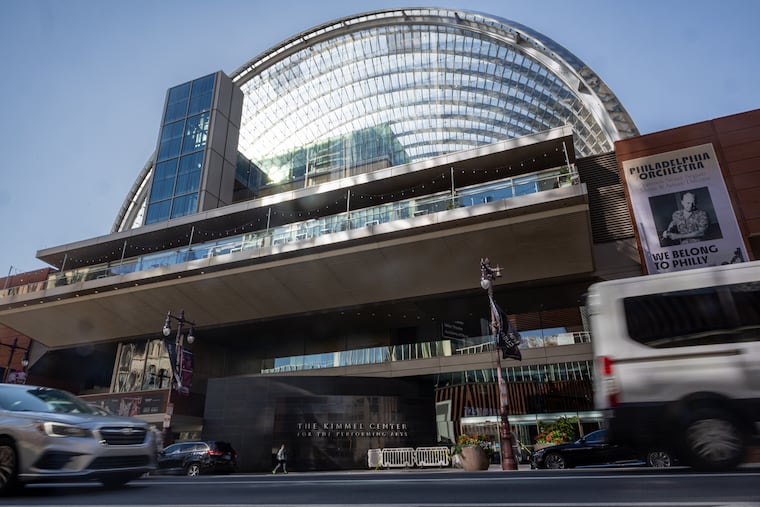
The Philadelphia Orchestra and Ensemble Arts has coasted past the dollar goal in one of the city’s largest-ever fundraising campaigns for a cultural organization.
Originally aiming to raise $330 million, the ambitious drive ended up bringing in $344 million to support operations, build endowment, and fund special artistic initiatives.
The campaign was broad, counting more than 55,000 gifts from 24,000 individual sources and landing one of the most generous gifts ever to an American orchestra — $55 million from a couple whose identity has not been publicly disclosed.
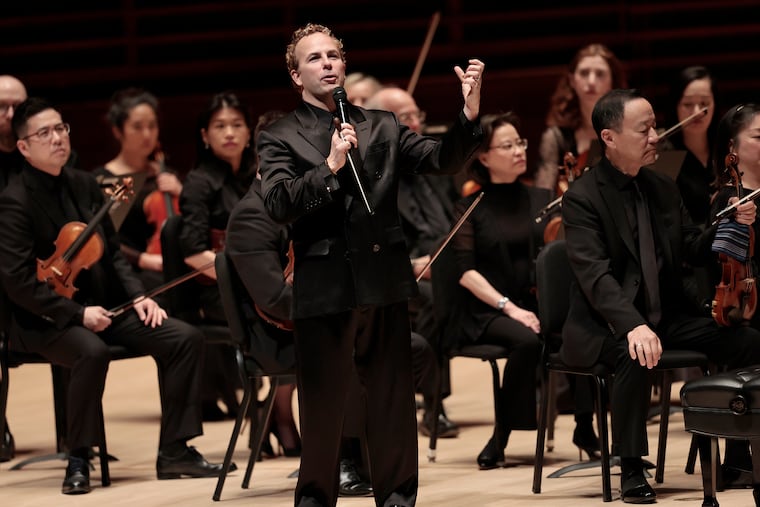
The money reaped in the past six or seven years “enabled us to get through and really thrive through these years with the merger [between the orchestra and Kimmel Center], with refining Yannick’s artistic vision of some very high-level artistic projects,” POEA president and CEO Ryan Fleur said, referring to orchestra music and artistic director Yannick Nézet-Séguin.
It focused the organization around “meaningful education and community work,” Fleur said, and allowed for renovation work on the Kimmel Center, though “there’s [still] a lot to do.”
In addition to funding immediate needs, the campaign also leaves the arts conglomerate’s three nest eggs in better shape than before. Since the start of the drive, the combined endowments of the Philadelphia Orchestra, Academy of Music, and Kimmel Center have nearly doubled the $450 million from $230 million through a combination of new gifts and increased market value.
“That very much helps create a base for stability,” said Fleur of the three funds, which are intended to exist in perpetuity with only a certain percentage (5.5 %) of the investment income being spent each year.
The orchestra’s endowment market value is now among the highest five held by U.S orchestras, Fleur said.
“We’re competitive with the largest orchestras, and that’s what this campaign has been able to do, because for many years our endowment was lower.”
The $344 million figure includes not just special gifts, but also $146 million raised through regular annual giving — money spent on operations. The drive expanded the circle of support, bringing support from 13,000 donors who had never before given to either the orchestra or Kimmel Center.
The campaign counted money raised since Sept. 1, 2020 plus two earlier gifts: the $55 million donation, and another of $3 million, a spokesperson said.
Donations ranged in size from $1 to the 55 million from the anonymous couple, who were motivated by “the civilizing influence of art and culture on our society,” in the words of then-orchestra board chairman Richard B. Worley.
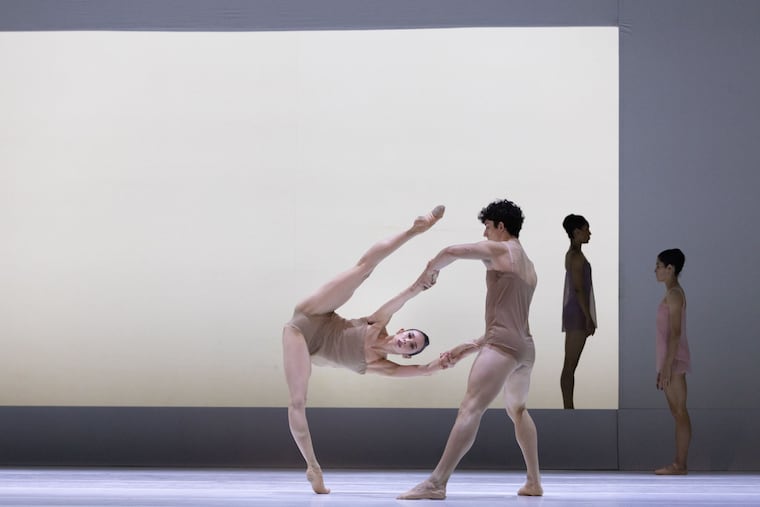
Among the projects or initiatives funded through the campaign were opera productions like the much-praised Tristan und Isolde in 2025; Pride Concerts hosted by a variety of drag queens; renovations to the Miller Theater and Academy of Music; and educational activities at the Kimmel Center.
Those theaters have ongoing renovation and maintenance projects lined up or contemplated, and the Kimmel Center, now a quarter-century old, requires substantial work.
As successful as the fund-drive was, it does not mean a pause in prospecting for the next gifts.
“I think it puts us on a firm footing to be able to go out now to the next group of people and say, ‘Look, we have a track record of success. This is a worthy cause to participate in and to invest in.’”
The orchestra has incentives to offer, if advancing “the civilizing influence of art and culture on our society” isn’t enough by itself. Among them: after naming 13 musician chairs in the just-ended campaign, the orchestra has 55 more chairs that may be named for donors.
Reaching $344 million may be cause for celebration, but in the arc of cultural fundraising, Fleur calls the moment more of a “springboard” than a “finish line.”