Many Etsy sellers close up shop over site’s new AI policy
The new terms said “third party partners and vendors” reserve the right to use sellers’ content to train and test AI. After protests, the company said it would revise the policy.
Many longtime owners of shops on Etsy, the online marketplace known for its handmade goods, said this week that they had left the site over a recently announced policy change that they said would leave them vulnerable to exploitation by artificial intelligence companies.
Language in Etsy’s new terms, set to take effect Dec. 16, says the company and its “third party partners and vendors” reserve the right to use sellers’ content to “develop, train, test and improve artificial intelligence and machine learning technologies.”
The terms say that Etsy and its partners will use such technologies in part to improve the platform and keep it safe for users. The previous version of the terms did not include a clause about using content for artificial intelligence.
In a statement emailed to the New York Times on Friday, Etsy said it would revise the policy after hearing complaints from sellers.
But last week, Aaron Millard, an illustrator, wrote in an Instagram post that he was deleting the shop that he has run for nearly a decade.
“Etsy decided that selling on their platform now means letting them train AI on our artwork AND resell that data to third parties, with no way to opt out,” Millard wrote, adding: “My work took years to learn and create. I won’t let it be stolen.”
Kristen and Geoff Zephyrus, founders of the home goods and stationary brand Cognitive Surplus, which has sold its products on Etsy for 13 years, also deleted their shop. In an Instagram post last Thursday, they accused the company of claiming “perpetual, free, boundless permission to not only train AI on our art, but also to resell the data for profit.”
“For Etsy to be helping to train algorithms with our human content is just unimaginably awful,” Kristen Zephyrus said in an interview Friday. “We don’t want anything to do with that.”
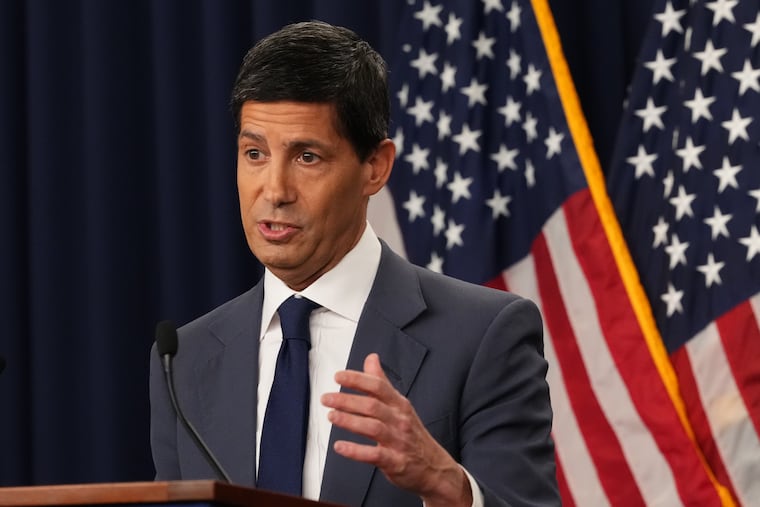
In a statement posted to Etsy’s website earlier this week, James Ossman, the company’s vice president for customer operations, addressed the site’s sellers directly.
Etsy will not “use your content to train AI models designed to copy your original work or replace your creativity,” Ossman wrote. He cited the development of fraud detection tools and advertisements on the site as among the reasons for granting third parties access to sellers’ content.
In the emailed statement to the Times, Ossman added that Etsy was working to further clarify the terms and that it would “share the revised terms directly with sellers soon.”
“We believe more strongly than ever in the value of human creativity,” Ossman wrote, saying that “we’ve heard sellers’ concerns about the updated terms, and we should have done more to explain how we use their content to help buyers discover their work, support their businesses and keep Etsy safe.” He added, “Their creative work belongs to them.”
Many publicly traded internet companies, like Etsy, have been caught between pressure from shareholders to embrace artificial intelligence and the ire of users who reject the technology.
Big bets by major firms and their investors on the AI revolution have helped the U.S. stock market set records in recent years. But Americans in general are much less enthusiastic. A Gallup poll from the summer found that nearly 40% of Americans feel that AI does more harm than good. Many of the Democratic political candidates who swept into power during the midterm elections this month campaigned explicitly against AI companies and data centers.
Etsy, which was founded in 2005 to help independent artisans find customers online, is no stranger to user revolt. In 2022, more than 20,000 Etsy sellers went on strike to protest a 30% increase in its baseline sales fee, to 6.5% from 5%. In October, the company announced tighter restrictions on so-called AI slop after many users decried such content.
This article originally appeared in the New York Times.