An $11M U.S. grant to a Delco port will boost produce shipping
Penn Terminals in Eddystone, owned by Singapore-based PSA International, plans to add hundreds of new refrigeration connections and to stack produce trailers high.
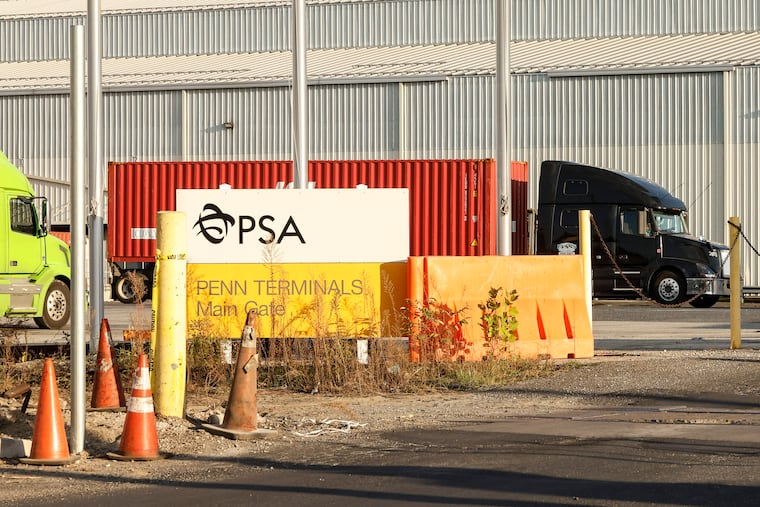
The U.S. Department of Transportation has awarded a $11.25 million grant to a Delaware County port, so it can better compete for produce, pharmaceuticals, and other refrigerated cargoes also handled in the ports of Philadelphia, South Jersey, and other East Coast locations.
The money will pay for 840 refrigerated-trailer electrical plugs, as well as 24 racks on which to stack the trailers, at the Penn Terminals port in Eddystone, Delaware County. It will also pay for electrical system and road upgrades.
The port was purchased by Singapore-based PSA International in 2019, from Macquarie Infrastructure Partners. Two years later, PSA bought Philadelphia-based shipping freight forwarder BDP, cementing its local presence.
The Eddystone project “will expand the refrigerated cargo capacity” at Penn Terminals, and strengthen the state’s cumulative port infrastructure, Sen. Dave McCormick (R., Pa.) said in a statement Tuesday hailing the grant.
Sen. John Fetterman, (D., Pa.) added that the project, with federal funds routed through the Redevelopment Authority for the County of Delaware on Penn Terminal’s behalf, will boost global trade for Pennsylvania.
The senators noted that the port handles both imports and exports.
The Philadelphia region, and the East Coast more broadly, generally imports far more than it exports, according to international trade data. As a result, stacks of empty trailers often accumulate in storage areas near port properties, awaiting other uses.
In a June letter to U.S. Transportation Secretary Sean Duffy, McCormick had urged federal approval for the federal Port Infrastructure Development Program grant to Penn Terminals.
The refrigerated-trailer plugs and stacks “will support increased efficient access,” allowing Penn Terminals to concentrate cooled cargoes at a central location, and make moving the refrigerated trailers faster, safer, and more dependable, McCormick added.
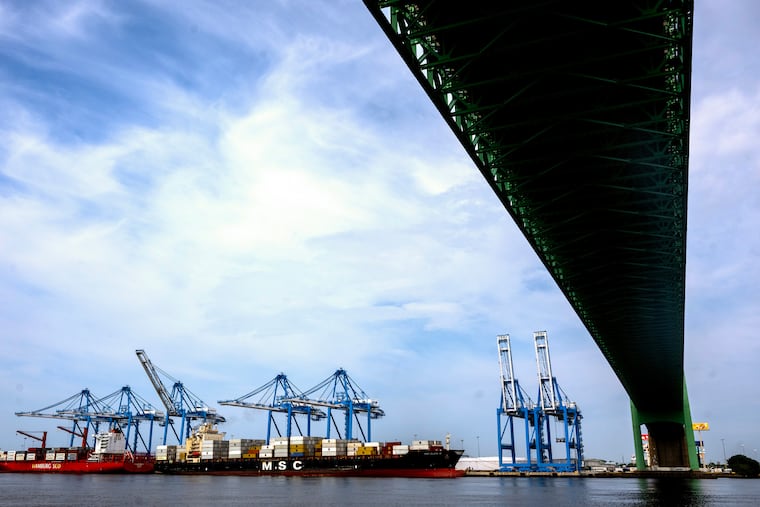
Like the state-backed Philadelphia, Wilmington, and South Jersey ports, Penn Terminals handles containerized freight and steel, among other shipping cargoes, along with refrigerated containers.
PhilaPort, and ports in Camden and Wilmington, employ members of several locals of the International Longshoremen’s Association. But Penn Terminals’ workers are members of International Brotherhood of Boilermakers Lodge 802, which also represented workers at the former Sun Shipbuilding on the site.
Penn Terminals and the other area ports “surely are competitive,” said Leo Holt, whose family business, Holt Logistics, operates port terminals in South Philadelphia, Gloucester City, and Paulsboro.
Port operators in Philadelphia, Delaware, Gloucester City, and Paulsboro are each planning new container terminals in hopes of attracting more highway-ready cargoes.