Kalshi is asking Philly restaurants to place wagers on the Eagles
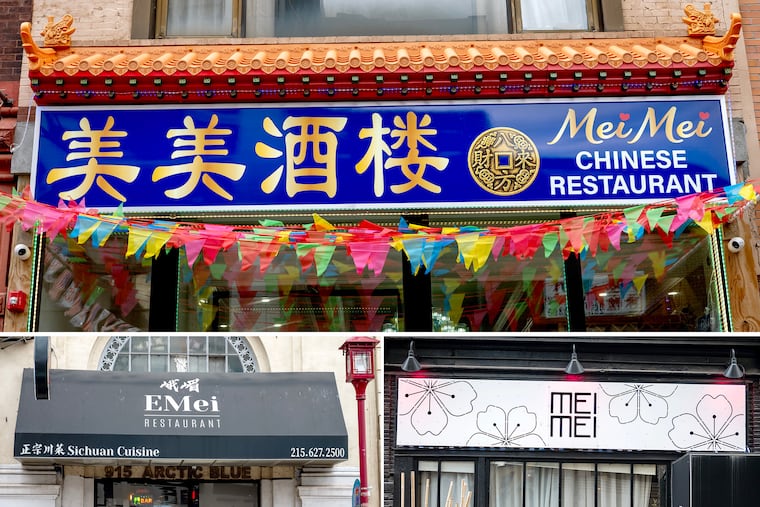
A bakery, deli, and a BYOB all received messages from Kalshi’s verified Instagram account that asked if they would consider trading on the Eagles-Giants matchup.
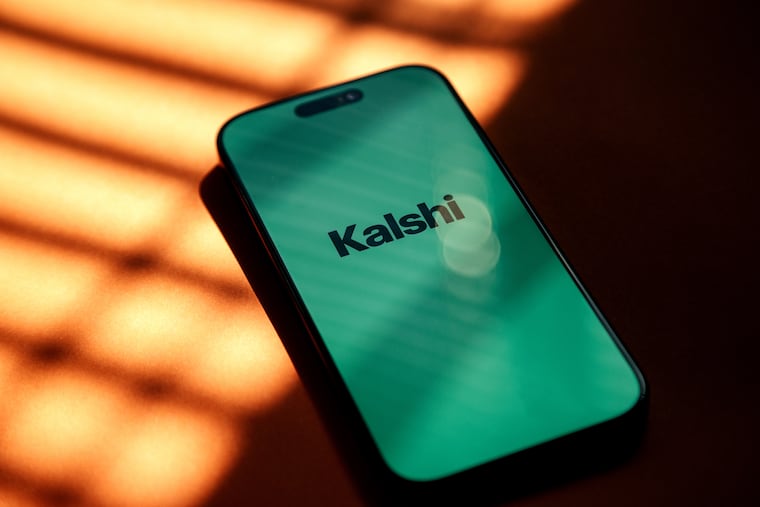
Kalshi is betting that some local restaurants are willing to wager their sales on the Philadelphia Eagles.
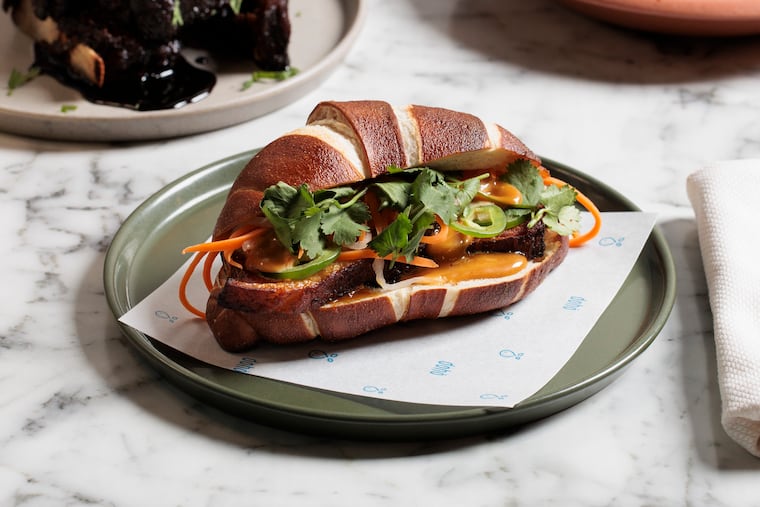
At least three Philly restaurants — a bakery, a sandwich shop, and a BYOB — received Instagram DMs from the prediction market’s official account last Thursday asking if they were open to trading on the outcome of the Eagles’ home game against the New York Giants, according to messages reviewed by The Inquirer.
“Small businesses across Philly are running promotions giving away free products if the Eagles beat the Giants this Sunday,” the message said. “They’ve been using the Kalshi Giants vs. Eagles market to offset the cost of a promotion — placing a trade on Philly winning, so if the Birds win, the payout covers the giveaway. Wondering if you guys have ever done something similar?”
The Eagles lost to the Giants 11-19 Sunday adding a seventh game to the team’s losing streak. The organization has been in free fall since starting quarterback Jalen Hurts was placed on the injured reserve in mid-October after a blood clot had traveled from his legs to his lungs. Kalshi itself called the Giants a “clear favorite” in the matchup.
A Kalshi spokesperson confirmed via email that the prediction market did reach out to a number of Philadelphia businesses ahead of Sunday’s game. They did not specify how many received messages, how recipients were selected, or if any placed trades.
Kalshi’s messages were not intended as explicit instructions, the spokesperson said: “Our outreach with businesses is kept educational. The DMs sent to Philadelphia businesses did not directly tell businesses to hedge.”
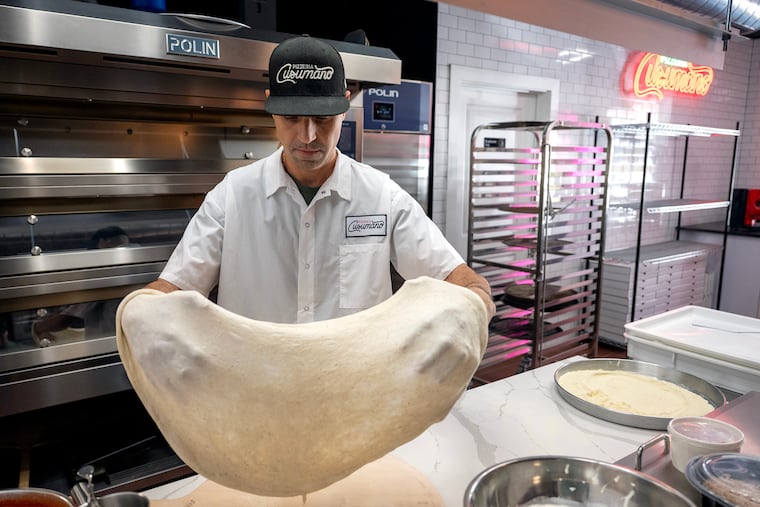
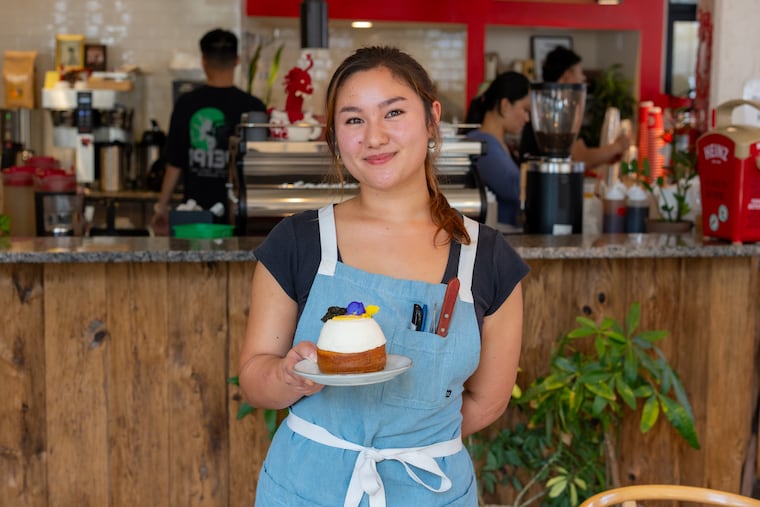
That’s not how Rougarou Baking co-owner Paige Wenrick felt when the DM appeared at the top of her Queen Village bakery’s inbox last week.
“It’s not a secret that we’re not doing well,” Wenrick said of the Birds. “So it felt like [Kalshi] was specifically asking small businesses in the Eagle’s home city to just give up money.”
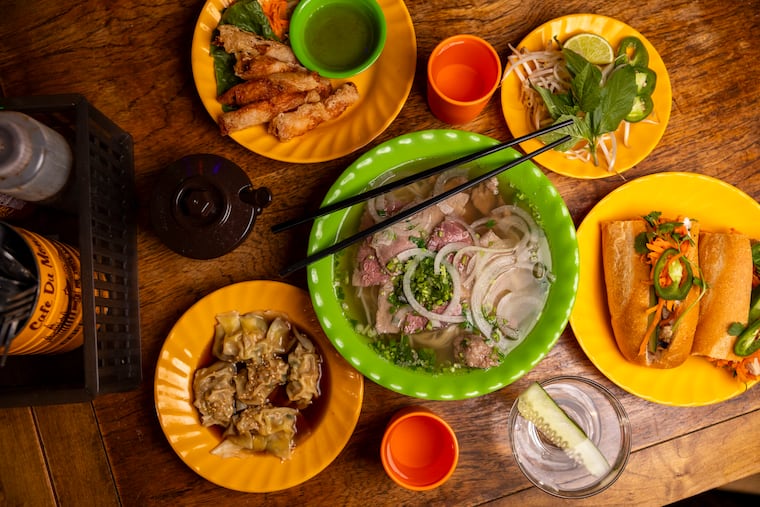
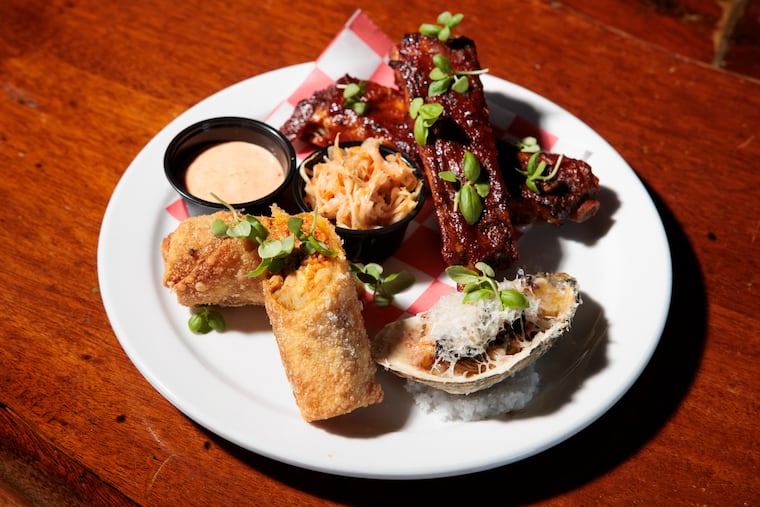
Wenrick said she didn’t respond to Kalshi’s message. Nor did Chance Anies, whose well-regarded Filipino BYOB Tabachoy in Bella Vista received the same Instagram message last Thursday.
Anies is a San Francisco 49ers fan, and Tabachoy doesn’t have a television to broadcast games. He’s uncertain how his 28-seat restaurant got on Kalshi’s radar.
“I’m small business owner that runs restaurants. I’m already gambling with enough of my money,” said Anies. “But from a financial standpoint,” he went on, “this is stupid ... you want me to bet thousands of dollars on a losing team just to have a little bit of hope [to make some back]?”
Trading vs. gambling
Founded in 2018, Kalshi began as a prediction market where users could place trades (aka wagers) on the yes-or-no outcome of real life events — elections, war, or who wins Dancing with the Stars — before wading into professional sports two years ago.
Now, sports drive most of Kalshi’s $30 billion trading volume, according to research from Pew. Kalshi says it functions less like a traditional casino or sportsbook and more like a stock exchange, since users are wagering against each other instead of odds set by the house. (The platform instead makes money from transaction fees and selling data.)
The distinction has placed Kalshi at the center of several legal battles. Kalshi can operate in all 50 states because it’s federally regulated by the Commodity Futures Trading Commission, a technicality that some say has allowed Kalshi to skirt state laws that restrict those under 21 from gambling.
In October, the NFL and attorneys general from 39 states — including Pennsylvania and Delaware — filed amicus briefs in support of New Jersey’s request that the U.S. Supreme Court rule on whether states can regulate prediction markets. Judges in Ohio and Tennessee have already ruled that states can, while a separate ruling gave Nevada the authority to ban Kalshi altogether.
Liberty Kitchen culinary director Beau Neidhardt is among those don’t see a difference between trading on a prediction market and gambling, which looms large in Pennsylvania.
» READ MORE: In Pennsylvania, the epicenter of online gambling, anger over addiction and loss fuels a backlash
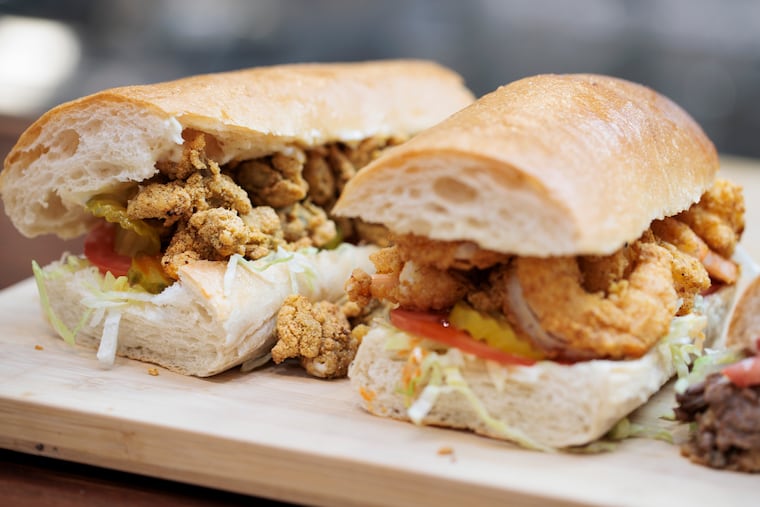
The sandwich shop, which has locations in Olde Kensington and Chestnut Hill, also received a message from Kalshi. Neidhart said it was “so weird.”
Hedging on a rainy day
Kalshi has repeatedly referred to small businesses trades as “hedging”.
Hedging on Kalshi is “like insurance,” the spokesperson wrote, and “certainly not setting money on fire.”
“Small businesses face various real-world risks daily—issues related to weather, politics, sports, the economy, etc,” they went on. “We provide a liquid, transparent market platform that allows any business to take action against risks affecting their operational outcomes.”
This is not the first time Kalshi has solicited small businesses.
In June, Kalshi asked the owner of the New York City bar The Jeffrey to wager on the Knicks winning their first NBA finals game after learning that they lost $4,000 in one night from covering tabs during the Eastern Conference Finals. More recently, a conglomerate of sports bars in Los Angeles used Kalshi to bet on the Dodgers missing out on the World Series to offset a potential dip in revenue.
» READ MORE: Sixers become first NBA team to partner with a prediction market, team up with Kalshi amid growing gambling concerns
In Philly, the spokesperson said, a construction company is currently betting on local snowfall totals to hedge against a revenue declines from stalled work in the winter. “If it doesn’t snow much, [they] lose what [they] put into the trade, but crews stay on schedule,” she wrote. “If it snows heavily, [the] Kalshi payout helps offset the cost of the delays.”
Anies, of Tabachoy, wasn’t sure it would work out that way for his restaurant. For Kalshi’s proposition to work, he would’ve needed the Eagles to win, the restaurant to be full, and to wager $2,000. Only then, according to Anies, would Tabachoy be able to cover the cost food and labor and make a profit.
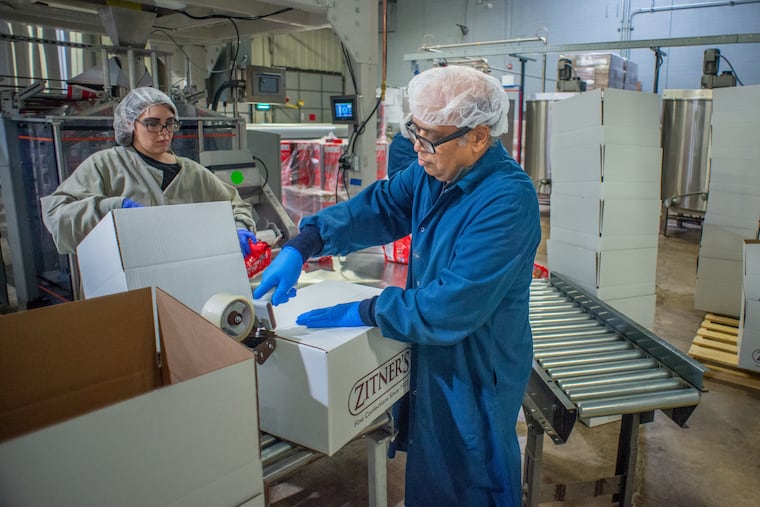
Wenrick — who owns Rougarou — also said Kalshi’s recommendation wouldn’t work for her business, a small batch Creole-Jewish bakery. The bakery would still take a loss on wasted product if the promotion doesn’t lead to a sellout.
“We’re too small to afford that,” she said.
The Kalshi spokesperson clarified that the message was not meant as financial advice. Businesses can trade however they want.
“A trade on the Eagles winning only makes sense for a business that is running a promotion tied to an Eagles win, like a free cannoli or round of drinks ... In exactly that scenario, the payout covers the giveaway,” she wrote. “The Eagles being underdogs is what makes the hedge more affordable: an unlikely outcome means a low-cost hedge, the same way insurance against an unlikely event costs less.”
Terms and conditions
Wenrick, however, was more concerned with the legality. It’s against the terms and conditions of most betting and banking platforms to gamble with a business bank account, she pointed out, which could result in banks restricting funds.
That fear is unfounded, according to the Kalshi spokesperson. Trading on a prediction market is no different than a cafe opening a brokerage account to trade coffee futures, she said.
The Pennsylvania Gaming Control Board, for their part, can’t comment on Kalshi because Pennsylvania doesn’t regulate prediction markets.
“In this current landscape, we would not be made aware of any marketing such as this by entities we do not license and regulate,” a spokesperson said in a statement.
The board, he said, is unaware of any sportsbooks asking businesses in the commonwealth to place bets — at least at this time.
Inquirer Food Festival
Get your ticket to Philly’s ultimate food party! Join top Philly chefs and bakers for one unforgettable day of food.