Cheltenham to pull millions from Citizens Bank over immigrant detention facilities
Cheltenham is closing its Citizens Bank accounts totaling about $9 million after months of organizing from residents concerned about the bank's business with companies running detention centers.
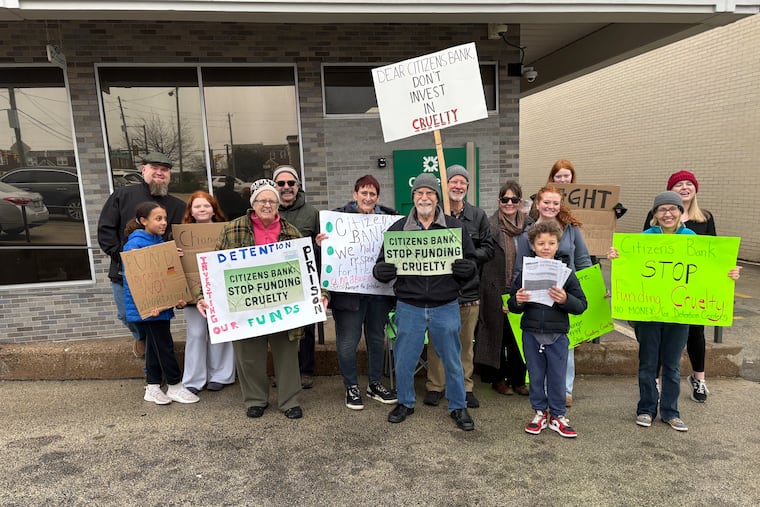
Cheltenham Township is closing its two remaining Citizens Bank accounts over the bank’s financing of companies that run detention facilities, despite the bank’s announcement it would no longer lend to those companies.
Cheltenham officials said they are working to move around $9 million in two bank accounts from Citizens Bank into Santander Bank after months of lobbying by local residents concerned about Citizens’ financing of private prison companies that operate detention centers, including CoreCivic and GEO Group Inc. GEO Group runs Moshannon Valley Detention Center near State College, Pa., and Delaney Hall in New Jersey.
Cheltenham’s Citizens divestment still pending
The township’s tax collector, Melvin Pitts, said he is also closing his office’s four Citizens accounts, but that process will take longer because of the nature of the accounts, which include real estate and income tax money. The total the tax collector holds at Citizens was not immediately available, but May bank statements showed around $3 million between three of the four accounts.
Cheltenham’s commissioners said at a recent finance meeting that they had hoped to have the township’s two remaining Citizens accounts closed already but hit some administrative hurdles. Cheltenham was also waiting to receive pending state money in one of the accounts before closing it, township spokesperson Lauren Walter said.
Cheltenham’s primary accounts were already at Santander, she said.
Pitts and Matthew Areman, president of the township’s board of commissioners, both confirmed that resident lobbying against the detention facilities motivated the switch.
“The Cheltenham Township Board of Commissioners has committed to divest all Township accounts from Citizens Bank,” Areman wrote in a statement.
“While the Board remains committed to protecting taxpayer resources and maintaining sound fiscal stewardship, we also believe that where we choose to do business is an expression of our community’s values.”
Divestment campaign began with dog walkers
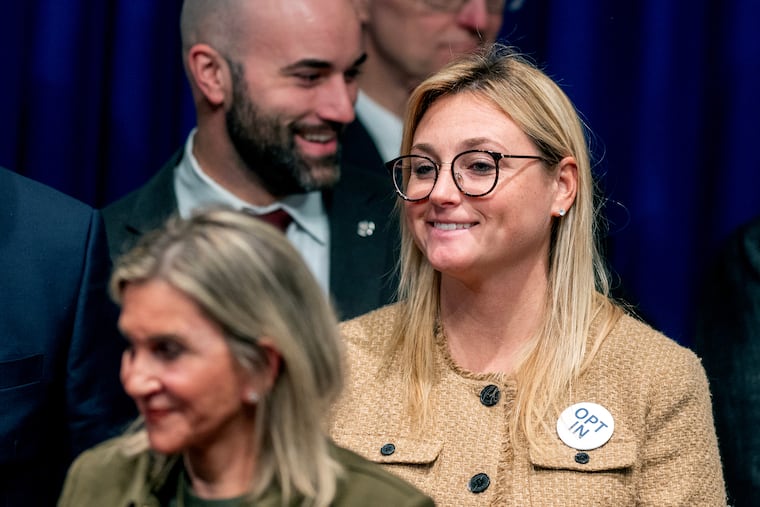
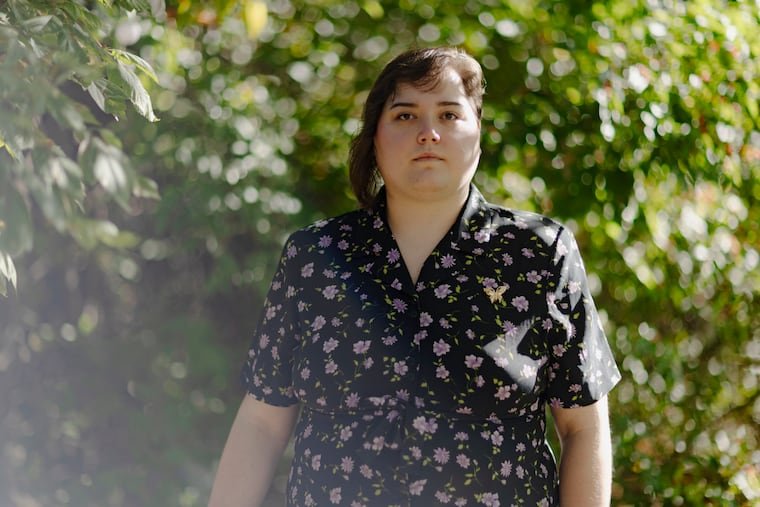
Much of the divestment push came from a community group formed after the 2024 presidential election, said Pam Albright, a member of East Cheltenham CARES.
Neighbors started chatting while out walking their dogs, Albright said, and EC CARES grew from there.
With a sizable immigrant community — about 14% of the township is foreign-born, according to U.S. Census Bureau figures — immigration enforcement was among their top concerns.
After advocacy from EC CARES and other local groups such as Cheltenham Immigration Response, the town adopted a policy last October to affirm that local police would not ask about immigration status or take on federal policing roles when not legally required.
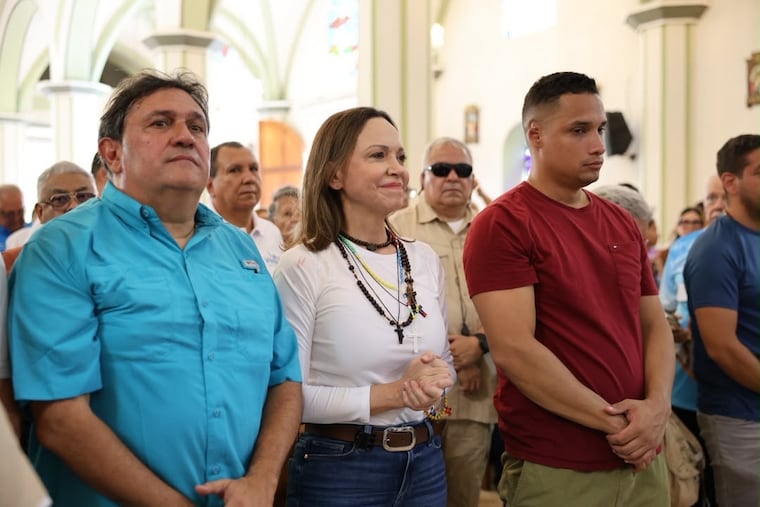
EC CARES joined Indivisible Jenkintown in protesting monthly outside their local Citizens Bank, volunteers said, and began asking Cheltenham about closing its accounts after seeing other towns take action.
Everyone played a different role, organizers said: Some talked to township officials, while others pulled research and records or handed out flyers at protests.
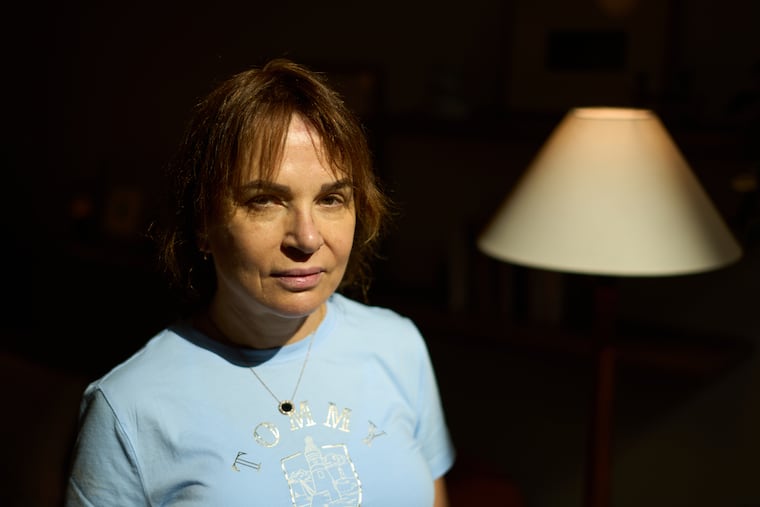
“I like rabble-rousing,” said Susan Shachter of EC CARES. “I like making signs, I like screaming and talking to people.”
Private prisons have long been a target for organizers over poor conditions and concerns over private companies’ involvement in government-mandated detention. Eight major U.S. banks agreed to stop funding private prison operators back in 2019 under activist pressure.
But GEO Group and other companies have come under particular scrutiny in recent years for holding immigrants in concentration facilities amid alleged due process violations, detaining young children for months, and reportedly depriving detainees of food, water, sleep, and medical care. Most detainees have no criminal conviction, according to analyses by think tanks, research nonprofits, and news outlets.
“If we think corporate America is doing what’s ethical in terms of people being detained, we’re joking ourselves,” said KayLee Taylor, another member of EC CARES.
Some Cheltenham officials were hesitant to push back against federal action, Albright said, but they came around.
“It is a little scary for them to, as they said, stick their necks out, or have a target on their back,” she said.
But once commissioners passed the town’s immigration enforcement policy, it got the ball rolling, Taylor said: “Our commissioners have more guts than any others in the county because we were the first ones to put in writing our policy.”
Albright also got the impression from a commissioner that Santander was fiscally better for the township, she said.
Walter, the township spokesperson, said Cheltenham likely moved its main account to Santander for better rates a few years ago, but due to township staff turnover she could not confirm details with the officials who were involved at the time.
Citizens says it stopped lending to GEO, but organizers want more
Last week, Citizens announced it had stopped lending to private prison companies like CoreCivic and GEO Group now that the federal government has begun buying up facilities and the corporations need less capital than before.
Walter said Wednesday that she had made commissioners aware of Citizens’ announcement late last week and that the officials did not indicate it had changed their plans. Walter was not sure if Pitts had changed his plans for the tax office accounts or not. Pitts could not be reached for comment on the issue.
The bank’s announcement also criticized activists for failing to appreciate Citizens’ “virtues,” including the volunteer work its employees do.
But organizers pointed out that lending is not the only business a bank can do with detention facility providers, and renewed a call for Citizens to end all banking relationships with private prison companies.
“We want them to completely pull out,” Taylor said. “What you’re doing is wrong.”

Inquirer Greater Abington
This suburban content is produced with support from the Leslie Miller and Richard Worley Foundation and The Lenfest Institute for Journalism. Editorial content is created independently of the project donors. Gifts to support The Inquirer’s high-impact journalism can be made at inquirer.com/donate. A list of Lenfest Institute donors can be found at lenfestinstitute.org/supporters.