Reflecting Pool liner failed in 85 places after flawed renovation, inspection found
The report makes no mention of vandalism to the liner and blames the problems on the use of improper materials and a rush to complete the job.
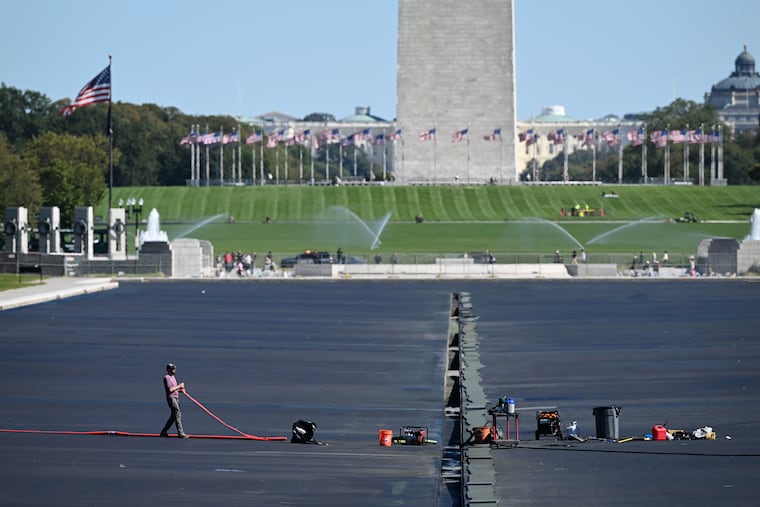
The blue coating applied to the bottom of the Lincoln Memorial Reflecting Pool this summer failed in at least 85 places because of errors in the renovation, including the premature refilling of the basin before the liner had fully dried, according to an inspection report obtained by the Washington Post.
The Aug. 6 report, commissioned by the contractor that did the work, documents far more damage than has been previously reported. President Donald Trump has generally attributed the damage to vandals, but the report makes no mention of vandalism to the liner and blames the problems on the use of improper materials and a rush to complete the job. The administration wanted the project finished in time for the celebration of the nation’s 250th anniversary.
The 75-page “failure analysis” by Atlantic Coating Inspection includes scores of photos documenting the liner’s deficiencies — ranging in severity and including blisters, peeling, and cracks — and identifies their likely causes.
The blue coating buckled along eight of the 10 expansion joints that divide the concrete slabs of the pool’s basin, according to the report.
Blisters appeared in nearly 40 places due to moisture or chemical fumes trapped beneath the liner.
Peeling occurred in nearly two dozen spots, where layers of coating separated from each other or detached from the basin.
Some of the peeling probably occurred because workers were still applying the coating the day before the pool was refilled with water on June 4, even though the material needed 72 hours to “cure,” or dry completely, according to the report.
The extensive failures at the pool occurred after Virginia-based Atlantic Industrial Coatings (AIC) completed the $14.7 million renovation under a no-bid contract awarded by the Trump administration this spring. The administration justified skipping competitive bidding by asserting in an Interior Department memo that “only a limited pool of contractors possess the qualification and equipment” necessary for the job.
The contractor offered a repair plan in its own report to the federal government later in August, summarizing the failures found by the inspection. In its Aug. 14 report, AIC described the majority of the failures as “cosmetic” but noted that others were “systemic.” The cost of the needed repairs, which the company has said it would cover under its warranty, was not included in its report.
The contractor blamed “human oversight,” adding that workers probably misapplied or did not spray enough primer. That Aug. 14 report, obtained by the Post and previously reported by the New York Times, does not list the number of damaged spots or include some of the causes found by the inspection.
Neither AIC nor the unaffiliated company it hired to perform the inspection and produce the Aug. 6 report responded to questions or requests for comment.
In a statement Tuesday, an Interior Department spokesperson said “AIC is contractually obligated to fix the Reflecting Pool” and is “well on its way to doing so.” The spokesperson said the contractor will ensure the “the work is perfect” and will replace “sections of damage by vandals” who repeatedly “ripped at the coating.”
White House spokesperson Taylor Rodgers did not address the inspection report’s findings but said in a statement that the pool had been “neglected” and the repairs are “another example of President Trump restoring our nation’s capital for the American people.”
The Reflecting Pool has had problems with algae and leaks almost from the time construction was completed in the early 1920s. In 2012, a two-year, $34 million renovation shored up its floor support system to prevent the pool from sinking and added a new filtration system.
In April, Trump vowed to clean up what he called the “filthy” water in the pool by resurfacing the more than 300,000-square-foot basin with a color Trump called “American Flag Blue.”
The contractor began work late that month, leaving a small window to complete the job in time for the America 250 anniversary events. The pool was first resurfaced with a light blue primer called Rhino 406. That was followed by a dark blue coating called Rhino Pipeliner 5000. Contracting documents show the federal government specified the use of those materials.
By early June, the pool was refilled. Within days, a massive algal bloom turned the water green. Then flakes of peeled blue paint began to poke through the water’s surface. Publicly, Trump and other senior administration officials blamed vandals for the pool’s failures.
An internal report compiled by the National Park Service late that month, when the pool was still filled with water, listed 13 damaged areas along the outer edge of the pool, as well as a slash through the foam joint around the pool’s perimeter. The document, which was reviewed by the Post and has not been previously reported, said that damage at four of those locations could “possibly” have been caused by vandalism. It estimated repairs at those locations and the perimeter joint, which the report said had been “cut” as the pool was refilled, would cost more than $49,000.
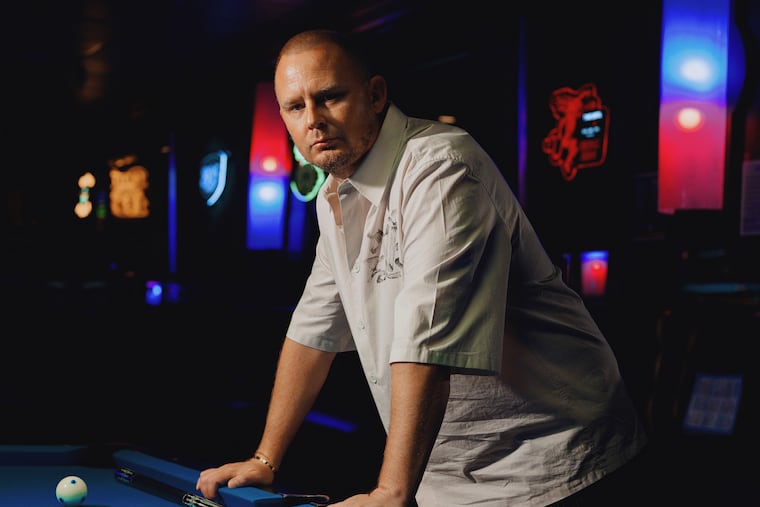
In July, federal prosecutors brought charges against four people they accused of damaging the liner, including a felony indictment against former Olympic canoeist David Hearn.
Those charges were later dismissed, and U.S. Attorney Jeanine Pirro faulted officials at the Interior Department, which oversees the Park Service, for initially providing “less than fulsome information” about the causes of the pool’s failures. Prosecutors would not have indicted Hearn if they had known contractor error was to blame, she said.
The U.S. attorney’s office did not respond to a request for comment.
The pool was drained following the July Fourth festivities, and AIC tasked Atlantic Coating Inspection with doing what the Aug. 6 report calls a “100% inspection” of the pool’s liner to identify even the smallest defect.
The inspection identified the 85 points of failure. It also documented 88 additional instances of damage that it said the Army Corps of Engineers caused while testing the strength of the liner after the pool was drained. Most were surface-level damage, but 12 cut to the concrete, according to the report.
The Army Corps of Engineers did not respond to the Post’s request for comment.
The most significant damage attributed to the flawed renovation was peeling along the pool’s interior expansion joints. Each of those joints extends about 80 feet from the edge of the pool to its center and is designed to widen or narrow with temperature changes to prevent the concrete basin from cracking.
Before the renovation began, the inspection report said, AIC was instructed by the coating’s manufacturer on how to layer the dark blue coating over the expansion joints to create a seamless finish. The San Diego-based manufacturer, Rhino Linings, did not respond to requests for comment.
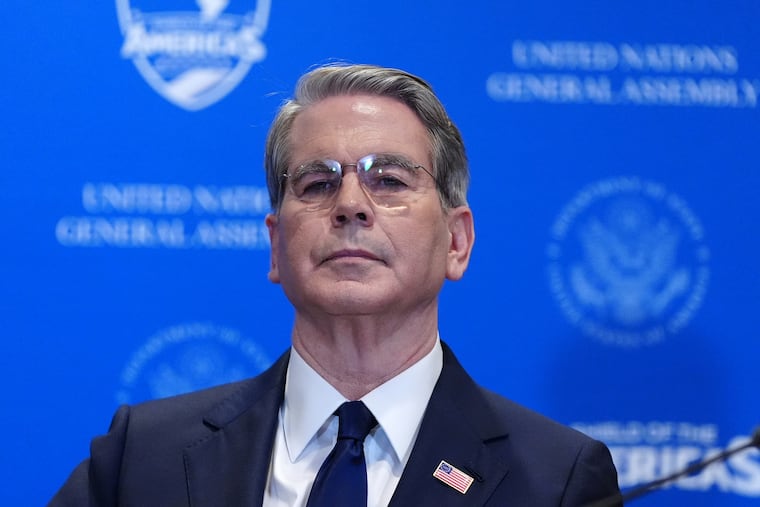
Interior Secretary Doug Burgum posted on X at the time that the final expansion joint materials passed a test with “flying colors.”
But the material was not flexible enough for the “dynamic movement” of the expansion joints, the inspection report said.
For other areas of the liner that peeled or split, the report cited three possible contributing factors: the improper mixing of materials in the application gun, mist from sprayed material drifting onto dried coating, and insufficient drying time.
Photos in the report from June 3, the day before the pool was refilled, show crews still applying the liner. The work continued as the pool started to refill, including along the edge of the pool near the area that Hearn was accused of vandalizing, an Interior Department video shows. That area was later found to have 22 defects, according to the report.
An additional photograph in the report shows crews continuing to apply coating from spray guns the day after water began flowing into the pool.
Caulk applied between the expansion joint that runs along the perimeter of the pool also came loose from the concrete after it was prematurely submerged in water, according to the inspection report. That caulking requires five to seven days to cure, the report said.
The report does not address who made the decision to refill the pool or whether there was any discussion about whether it posed a risk to the new lining and caulking.
Blisters on the liner, mostly located on the southwest side of the pool, appeared to have been caused by moisture or chemical gases trapped between layers of coating, the report said, potentially as a result of unspecified issues with “mixing” the two parts of the material.
The inspection report distilled the “lessons learned” to two points: Curing time guidelines should be met, and products used for coating should be tested before they are applied.
Days after the Aug. 6 report was completed and the vandalism charges against Hearn were dropped, Trump continued to insist that the Olympian had damaged the pool.
“As with many jobs, there was also some contractor error done by rushing the job for a July Fourth opening,” Trump posted on Truth Social on Aug. 9. “But it was a very small area of this massive Pool, and was relatively inconsequential.”
In its Aug. 14 report, AIC detailed how it would adjust its approach as it repaired the pool.
AIC wrote that the dark blue Pipeliner 5000 would not be reapplied over the expansion joints, allowing a more flexible material to “move with the joint.” It wrote that it would also use a different primer for most of the repairs, after Rhino Linings, the manufacturer, revised its prior recommendation.
The contractor added that it would also use a smaller crew to work in concentrated areas of the pool. This would ensure more supervision, the contractor wrote, leaving the pool “as close to perfect as is possible.”
AIC warned that the warranty would be voided if water touches the repaired surface within 24 hours of installation, or the perimeter caulking joint within seven days.
Last Tuesday, as the repairs were nearing completion, Trump told reporters that the latest fixes would make the pool “as vandal-proof as you can get.”