South Jersey parents plead for state to require cameras inside group homes for people with disabilities
“I keep asking myself one question: if there had been cameras, would we have known what happened to him?” said one mother, whose son suffered injuries at a Burlington County facility.
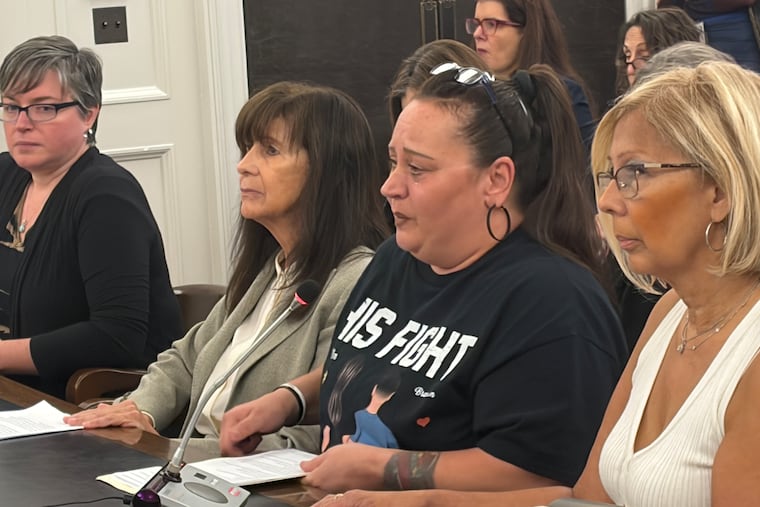
TRENTON—Parents of people with developmental disabilities tearfully pleaded with New Jersey lawmakers on Monday to mandate the installation of cameras inside state-licensed group homes to protect their children from the abuse and neglect, which they say has become almost a routine occurrence.
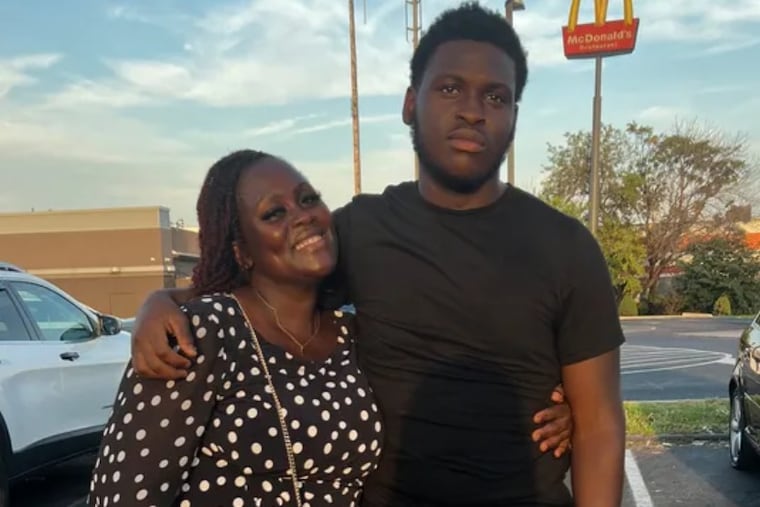
A family’s frequent visits and vigilance aren’t enough to protect their adult children’s safety, said Priscilla Quesada of Egg Harbor Township, who testified that her son Brandon suffered broken bones and other injuries in group homes in Burlington and other South Jersey counties. He is now in a state-run facility.
“I never imagined I would have to stand before lawmakers and ask for something as basic as cameras to protect my child,” Quesada said.
“As his mother, I have had to fight for answers. I have had to look at medical records. I have had to ask questions about injuries and when they occurred,” Quesada said through tears. “And I keep asking myself one question: if there had been cameras, would we have known what happened to him? Maybe the abuse would have stopped sooner.”
The fight over cameras in group homes has gone on for more than six years without a resolution. And it’s been nine years since the bill’s namesake, Billy Cray, died in his group home bedroom in Somers Point.
The Assembly Health Infrastructure Committee heard nearly three hours of testimony for and against installed cameras in group homes. Chairman Sterley Stanley (D., Middlesex) said he would schedule another hearing after working with group home lobbyists, disability advocates and family groups to work together on a compromise.
“We are all committed,” Stanley said after the hearing. “Cameras in the homes would be a vital first step, but we also want to address the abuse that is happening.”
Several representatives from the group home industry insisted that this is a more complicated issue than it appears. People with disabilities deserve privacy, a civil right protected under federal law, argued Cathy Chin, executive director for the Alliance for the Betterment of Citizens with Disabilities.
“Common areas in private homes are neither public spaces open to the public nor institutional settings. They are homes, where a degree of individual and communal privacy is to be expected and protected in the same manner as any home or community,” Chin said.
About 30% of group homes already use cameras, Chin said.
“Individuals and their guardians consider this option before choosing a group home, which means they can make the choice freely, without pressure from their housemates or their guardians,” Chin said.
Libby Vinson, CEO for the New Jersey Association for Community Providers said the camera systems run from $20,000 to $25,000 — which would blow a “huge hole” in the providers’ budgets. She said it made more sense to spend taxpayer money to improve staff training and prevent harm.
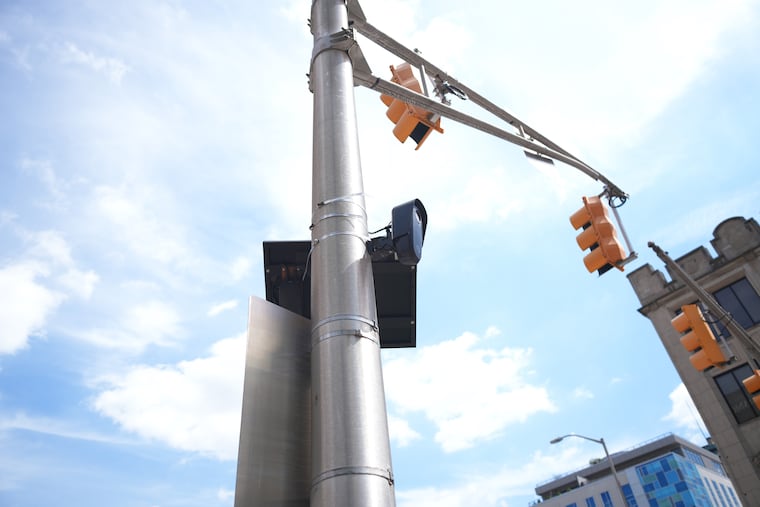
The legislation would require licensed group homes serving people with developmental disabilities to install cameras in living rooms, kitchens and other common areas with the consent of all residents in the dwelling.
The cameras would record video but not audio, according to the bill. The group home operators must retain recordings for at least 90 days, and share the recording with the resident or guardian upon request. The state would inspect the homes to ensure the cameras are installed and working properly.
The campaign for group home cameras emerged following the 2017 death of 33-year-old Billy Cray, whose body was found in his bedroom closet in his Somers Point group home. An autopsy said he died of natural causes, but his mother, Martha Cray said she has never received satisfactory answers about his supervision and care.
The demand for cameras intensified in the last year after following media reports detailing abuse and neglect inside group homes and the lack of consequences for the operators and staff.
Former Attorney General Matt Platkin last year charged Elwyn, a group home operator based in Media, Pa., with facilities across multiple states, and an employee with neglect for allowing a resident who had fallen twice to remain on the floor for hours on two occasions in 2023 at a group home in Vineland.
Attorney General Jennifer Davenport, appointed in January by Gov. Mikie Sherrill, dropped the charges last month in exchange for Elwyn agreeing to be monitored by an outside firm.
Pennsylvania law permits the installation of cameras in group home common areas with consent from all residents. The group home operator must hang signs alerting people cameras are in use.
A new law took effect in New Jersey in July that for the first time gives the State Department of Human Services authority to impose fines on abusive and neglectful group homes.
Families have argued that the state seldom substantiates claims of abuse and neglect. The evidence provided by cameras could help both residents and employees, who may be unfairly accused of wrongdoing.
Camden County resident Mary Jane Lovett said her son, Timothy, 36, endured 15 years of physical abuse — including some injuries requiring hospital care — at group homes in Pennsylvania. He recently moved to a state-licensed group home in Northfield, and she wants the comfort of knowing cameras are present.
“Video speaks for itself. There’s no bias, no way to deny an incident that is captured on video,” Lovett said.
“I never dreamed that I would be sitting in front of you, pleading with you to help keep my son safe in a group home funded by New Jersey taxpayer dollars, including my own.”