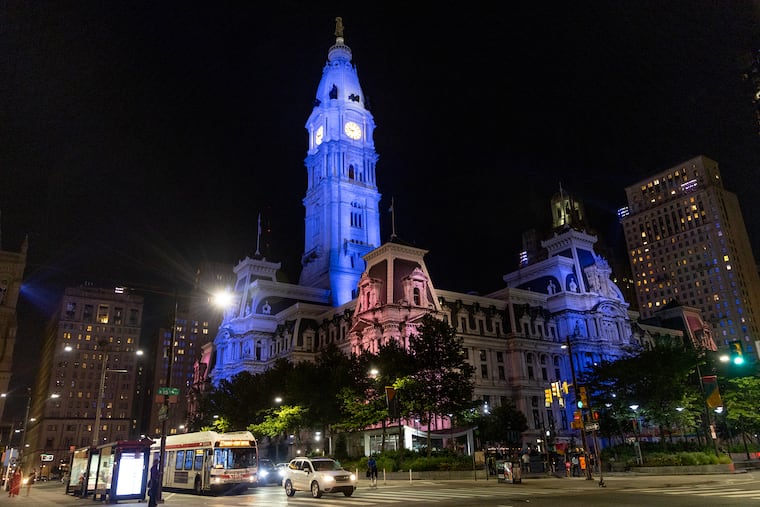
Vape stores might not close under a new ban, but retail districts are ready for new business.
Prime storefronts in Philly retail strips could be going to more “neighborhood-serving” businesses as vape stores fear the worst.
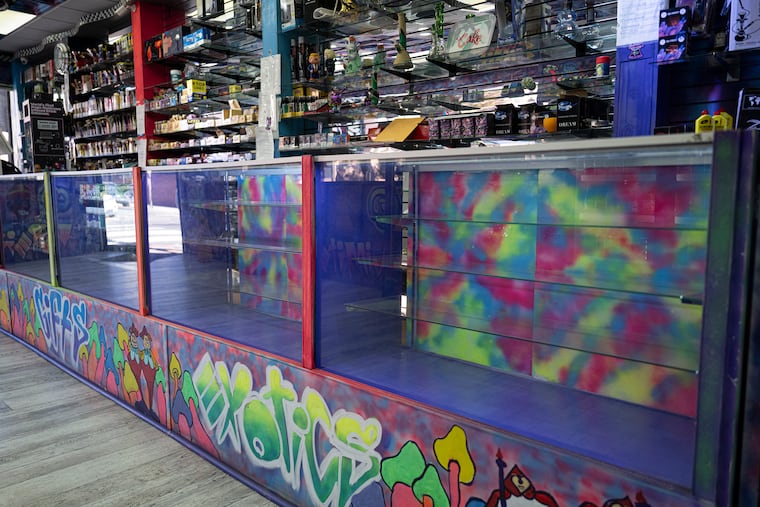
Entire walls of retail shelves in Philadelphia vape shops, once marketing colorful, fruit-flavored nicotine products, sat empty the first week of Pennsylvania’s new vape ban.
Pointing to the swaths of bare countertops — many of which were the central marketing displays at stores — shop owners and managers on South Street, many of whom were not authorized to speak on behalf of the store or feared scrutiny from inspectors, said they are facing the possibility of closure.
One manager of a South Street convenience store that used to sell a wide variety of vapes said nicotine products make up 30% of their business. For stores that can’t fall back on convenience and grocery items to sell, many will likely close, he said.
The manager at South Street Smoke Shop on 8th Street said that he spent half his shift the day before Oct. 19 — when vape ban enforcement began — removing thousands of dollars worth of product from retail shelves. Another store manager said disposable vapes and their associated products are “the majority of our business,” she said. “This is unprecedented.”
Under a new law, signed by Gov. Josh Shapiro last year, six companies are approved to manufacture, distribute, and sell electronic nicotine products in Pennsylvania. Any product not approved in the electronic nicotine delivery system directory is now banned from sale, including popular brands like Cali, Geek Bar, and Puff Bar.
Philadelphia has also taken steps to heavily restrict where vape stores can open. City Councilmember Katherine Gilmore Richardson introduced legislation earlier this month that would adjust the city’s zoning code to prohibit any businesses selling tobacco and nicotine products from opening within 750 feet of a school, daycare, park, or an existing store that sells nicotine products. Richardson said this would effectively ban new stores from opening in most of Philadelphia.
The vape store boom
The vape industry and retail vape stores have seen exponential growth in the last decade, expanding from a $3.5 billion industry in 2015 to a more than $40 billion a decade later. Market analysts have projected the industry to grow by double digits into the 2030s.
This growing market also serves a customer base in which 60% to 80% of consumers prefer to buy products in stores.
The low entry barrier and higher-margin appeal of opening a vape store in a bustling retail district moves some entrepreneurs to make the jump, said Steven Gartner, executive vice president of CBRE’s global retail platform.
“Most of these stores are startup businesses. The ability to get merchandise is relatively easy, and you don’t need to be part of a brand conglomerate. They’re small; someone can open one with 1,000 feet of retail space,” Gartner said.
Another factor at play is that storefront landlords aren’t always discerning about the mix of businesses in a retail district in the way business leaders might. “Landlords may own one or two buildings on a block, and they don’t really care about the mix of businesses — they care about renting their vacant store and getting rent,” Gartner said.
Especially so during the COVID-19 pandemic and in its wake, as property owners looked for tenants to fill vacant storefronts. This is often why in places like South Street, there can be a vape store each block for several streets in a row.
Retail strips with an abundance of vape stores such as South Street are open to new businesses, said Eleanor Ingersoll, executive director of South Street Headhouse District, the nonprofit that manages the neighborhood business district.
“The only thing constant about South Street is change. The role that smoke shops and vape stores play in the district is a matter of great proliferation in a very short amount of time,” Ingersoll said. “There is the argument that they occupy space that could go to more diverse business concepts. We would love to see more bars, restaurants, art galleries, and niche experience entrepreneurship.”
South Street has attracted more of these unique retail experiences with the rebuild of Jim’s Steaks in 2024, including new boutiques, shops, and eateries, including video rental store Pop Culture Vulture. In May, South Street welcomed the return of Gargoyles gallery owner Hadassah Zuberi, 80, a proprietor of antique art and rare memorabilia — 22 years after shuttering her showroom.
Gwen McCauley, director of Manayunk’s business improvement district, which includes at least three vape stores along Main Street, echoed South Street’s desire to see “neighborhood-serving businesses that contribute to the vibrancy” of a neighborhood.
“Over the last 10 years, Manayunk is seeing a growing number of young families moving here,” McCauley said. “We want our businesses to reflect and support that demographic.”
Manayunk’s Main Street is ushering in its next era of neighborhood retail, catering to a flock of new families, with a dozen new businesses in the last two years, including the opening of Riptide Tavern in June from Taqueria Amor owner Tim Spinner, and Eleanor’s Consignment in October.
What comes next for vape stores
But vape stores likely won’t be an extinction-level event.
In other states that passed similar restrictions, like Massachusetts in 2019, vape stores didn’t close en masse. Instead, dramatically fewer vape stores entered the market after the state banned flavored tobacco products, with a 50% drop in the number of licenses issued for new tobacco stores, according to a 2023 UC San Diego study.
More telling is a study published in September that looks into the effect e-cigarette directory laws, like Pennsylvania’s, have on the sales of nicotine products. Researchers found that across three states, Alabama, Oklahoma, and Louisiana, there were no lasting declines in sales of vape products. In Louisiana, where sales initially declined, they rebounded within eight months.
Like other states, Pennsylvania will likely not see an exodus of vape stores but these small businesses will navigate a monthslong transition to stay afloat — and new entrepreneurs will certainly be wary of entering the retail space.
Gartner believes this is where the market will decide whether customers flock to other states, online stores, or continue to patronize local retail.
“There could be an inevitable shakeout, or there is enough business to sustain them all,” Gartner said.