The Morning Newsletter
Start your day with the Philly news you need and the stories you want all in one easy-to-read newsletter
Good morning to everyone, except Philadelphia’s sports teams.
Today, we start with a story that underscores how much the economics of everyday life can change overnight. To wit, more than a dozen local school districts and colleges in South Jersey will see their healthcare costs spike next year, a move that will force hard decisions about paying for them, such as choosing between raising property taxes or cutting school resources.
Then, we cover a new move by the Pennsylvania Supreme Court to reexamine old life sentences.
Plus, the Trump administration abandons a plan for an ICE detention center in South Jersey, and more news of the day.
— Laura Benshoff / Paola Pérez / Sam Stewart / Tommy Rowan (morningnewsletter@inquirer.com)
If someone forwarded you this email, sign up for free here.
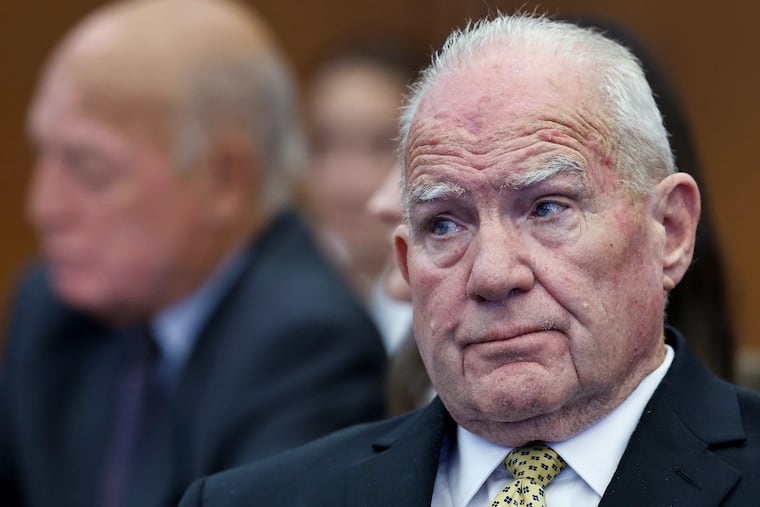
A reckoning over healthcare costs is hitting New Jersey.
In the short term, health insurance premium costs will rise by more than a third next year for 300,000 public school and county college employees and their families. That includes workers at a dozen school districts in South Jersey, who all participate in the state-administered School Employees’ Health Benefits Program.
The plan was forced to make the major hike or become insolvent, according to Gov. Mikie Sherrill’s administration. But some of the pressures it faces, such as runaway medical costs and the soaring popularity of costly prescription drugs, are broadly applicable.
In the longer term, districts are likely to pass along the pain in order to absorb higher costs. Cutting jobs, reducing student extracurricular activities, and raising property taxes are all strong possibilities, said Jonathan Pushman, advocacy director for the New Jersey School Boards Association.
“A lot of difficult decisions are ahead,” Pushman said.
The Inquirer’s Trenton reporter, Susan K. Livio, has the full story.
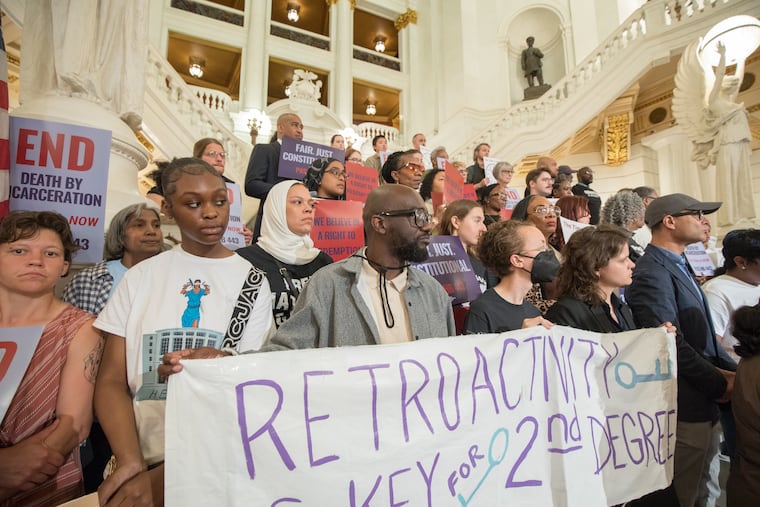
One man’s fight for a new sentence could give hundreds of others a second chance at freedom.
In March, the Pennsylvania Supreme Court ruled that automatic life sentences could no longer be handed out for second-degree murder. That’s a conviction for a murder that occurs while another serious crime such as a robbery is being committed, even if the defendant did not kill anyone.
At the time, the court wrote that the legislature should figure out a fix for the roughly 1,100 people — including more than 500 convicted in Philadelphia — already serving such sentences. But Harrisburg did not act.
Now, the high court will decide whether their ban applies retroactively by examining the case of Jerome Coffey, a Philadelphia man convicted of second-degree murder in 1994. If it does, that would clear the way for others to ask for new sentences as well.
The Inquirer’s Jillian Kramer has more.
What you should know today
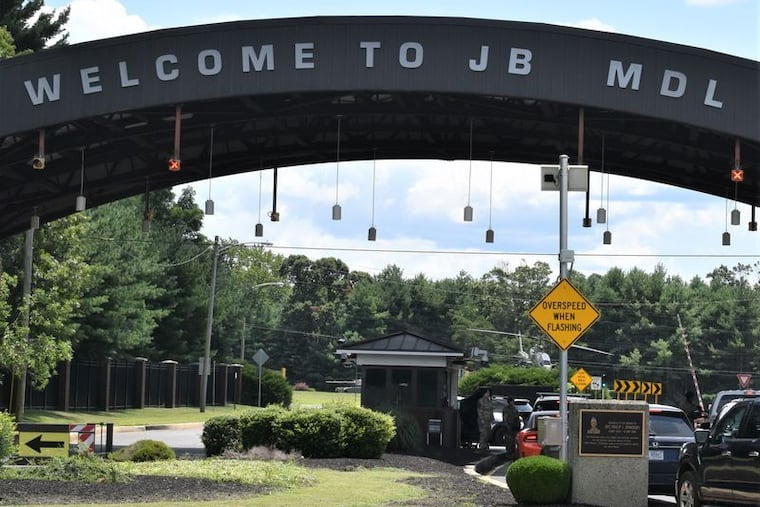
The Trump administration has abandoned a plan to build an immigrant detention center at a military base in South Jersey.
A group of Pennsylvania Republicans have asked Attorney General Dave Sunday to investigate whether a “systemic pattern of discrimination” against Jewish students occurs in the Philadelphia School District.
Kensington Voice, a community news site covering the neighborhoods in the epicenter of the opioid crisis, has shut down, per a letter posted to its site.
A former Central Bucks School District board member alleges that his autistic son was abused in elementary school and that the district covered up that abuse, according to a new lawsuit.
The Temple University Health System saw a $22.7 million operating profit in the fiscal year that ended June 30, up slightly from the previous year, the North Philadelphia nonprofit told bondholders this week.
Consumer Reports is no longer recommending e-scooters, citing rising injuries and higher top speeds for the personal mobility devices.
The Sprouts grocery on Broad Street wanted a Phanatic fall display, but the likeness is so monstrously unflattering that people have dubbed it the “Fauxnatic,” reports The Inquirer’s Bea Forman.
🧠 Trivia time
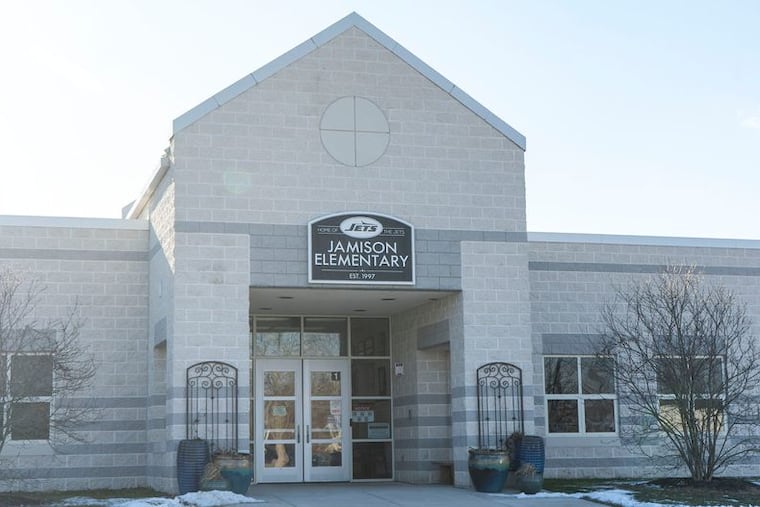
A Gloucester County elementary school moved to remote learning this month after what infested the school?
A) Bats
B) Rats
C) Fleas
D) Mice
Think you know? Check your answer.
What we’re ...
🍸 Keeping (bar) tabs on. Almanac, the acclaimed Japanese-American cocktail bar in Old City, is adding a second location in Rittenhouse. Inquirer food writer Michael Klein has the scoop.
📵 Vibing to. Phoebe Bridgers’ recent phone-free show at Xfinity Mobile Arena gave 20,000 people a chance to disconnect (and avoid following the Eagles’ rout by the Bears), writes Inquirer pop critic Dan DeLuca.
🏁 Looking forward to. Next Saturday, 15 Philadelphians will compete in the first Philadelphia Parallel Parking Association Championship. The judges? A legendary bar owner, a viral crossing guard, and an ASMR comedian, per The Inquirer’s Stephanie Farr.
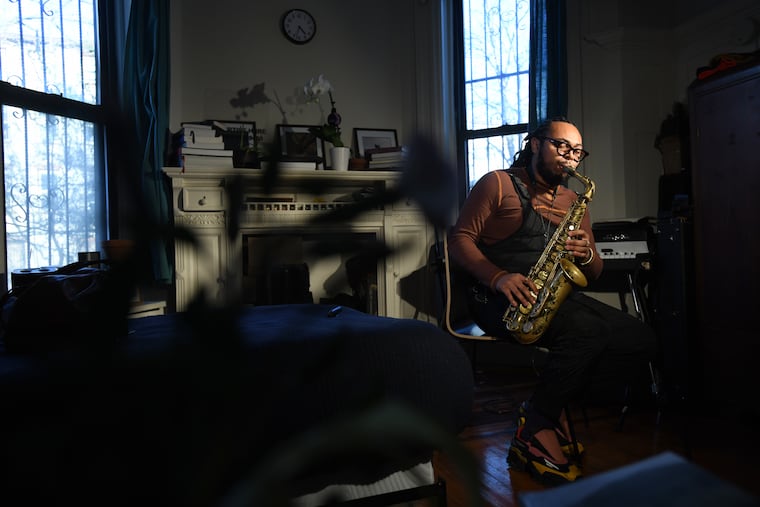
🎷 Tipping our hat to. Upper Darby native Immanuel Wilkins is one of the MacArthur Foundation’s newest “genius grant” recipients, recognized for his work as a leading contemporary jazz musician.
🧩 Unscramble the anagram
Hint: Phillies rookie relief pitcher from St. Thomas, USVI.
ALMANAC REFLEX
Email us if you know the answer. We’ll select a reader at random to shout out here.
Cheers to Terry Bradley, who correctly guessed Tuesday’s answer: Lobster House. A video of flooding in this historic Cape May restaurant went viral over the weekend.
Meet Michelangelo, an African spurred tortoise found ambling around Williamstown earlier this week. Yes, he was named after a character from Teenage Mutant Ninja Turtles.
👋 Cowabunga and see you tomorrow!
By submitting your written, visual, and/or audio contributions, you agree to The Inquirer’s Terms of Use, including the grant of rights in Section 10.