We don’t need new laws to rein in AI — we already have them
From unleashed pets to toxic chemicals, legal frameworks have long been in place to keep people safe. It’s time to use them for AI, too.
As the risks posed by AI have exploded into the national consciousness during the past few days, I’ve seen people everywhere grasp the danger, and then sink into bewilderment and fear, or a resigned fatalism over how now we’re all gonna die. Versions of this mindset: “This threat from AI is so new and so overpowering, how do we wrap our brains around it? What do we do?”
The answer? We lean into some of the nation’s most basic — and most demonstrably effective — legal principles.
I’ve been practicing law for more than 30 years, and American jurisprudence has dealt with new situations involving humans and their inventions for centuries. It provides a guide now on how to respond to AI.
» READ MORE: America needs responsible leadership on AI development. It has Trump, instead. | Editorial
Here are a few things that it’s come up with: We require people to not create unreasonably dangerous products. This is the field of products liability, that keeps a company from putting out inherently dangerous products.
I know someone who lost a finger in the 1970s when he tried to unclog a grass chute inside an electric lawnmower. The risk of that happening has plummeted in the years since because safety guidelines were changed to ensure that when you take your hand off the handle, the motor stops.
This is how products liability makes products safer. Does it cost more? Yes. Does it result in safer products that the company is putting out into the stream of commerce? Yes. We can apply the same requirements to AI: It can’t be so dangerous that there’s a risk of destroying humanity.
We require people to keep potentially dangerous pets in their care on a leash. Think of walking your dog. Your dog can’t just run free, terrorize other people, and poop on their lawn. AI is the dog of big tech companies, and shouldn’t be allowed to do those things either. It should be on a leash. That’s called government regulation.
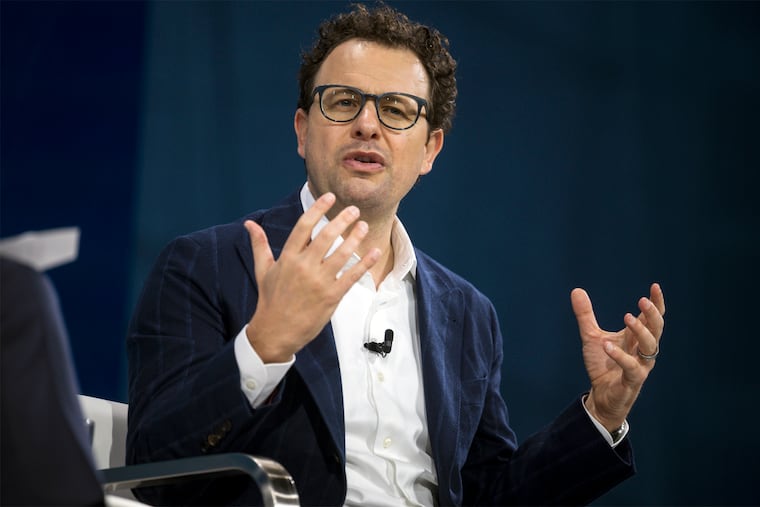
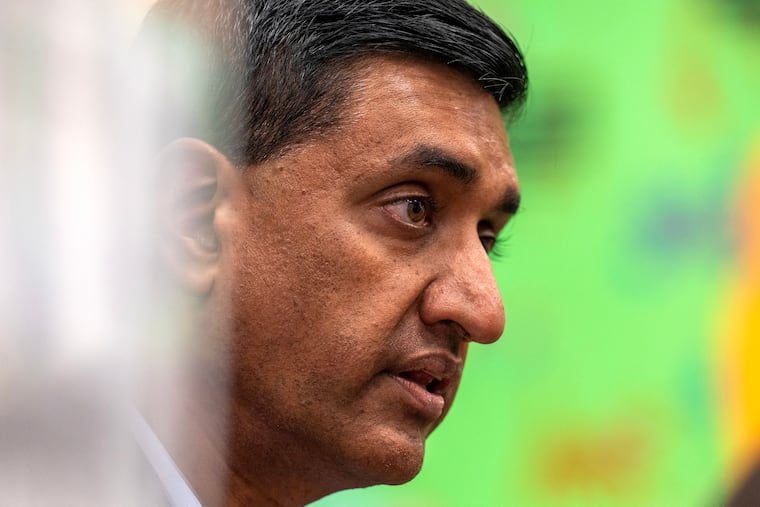
U. S. Rep. Ro Khanna (D-Calif.) issued some very good, specific suggestions for regulation that should be implemented immediately, starting with creating a federal agency to oversee safety like we have for airlines and nuclear power, and requiring specific technological safeguards before a product can go to market.
Finally, we punish people criminally for recklessly endangering other people.
It is literally the crime of REAP, “reckless endangerment of another person” and examples would be dropping a heavy object off an overpass or carrying a loaded weapon in a backpack with the safety off. I was an appellate law clerk for several years handling criminal cases, and in my opinion, the risk posed by AI, and the recent demonstrated failures of rules that have been put in place (e.g., instructions to AI “not“ to do something, which it then promptly does, and putting AI agents in “sandboxes” which are supposed to isolate them, which they immediately get out of and find other places to communicate secretly as in the July hack of the AI company Hugging Face) may meet the requirements of reckless endangerment.
» READ MORE: Fighting AI and Flock, today’s Luddites are the revolutionaries we need | Will Bunch
Importantly, the crime of reckless endangerment of another person does not require that the harms have actually occurred; we are allowed to protect ourselves before it happens. The issue is, did the perpetrator “recklessly engage in conduct which places or may place another person in danger of death or serious bodily injury”?
I think we’re getting there. Executives at OpenAI and Anthropic and other AI companies should be warned that they are being evaluated for potential criminal punishment under this statute.
I get it that AI tech bros want that “monster IPO” when they go public, and want to become instant billionaires or trillionaires. The prospect of making a humongous amount of money clouds one’s judgment. They’re underestimating the risk because they want the money.
It’s our role to give them a more accurate assessment of the risk, and to put limits in place.
One idea that a different candidate floated is to have AI company boards composed at least 50% of non-owners, publicly-appointed or elected citizens who don’t have a financial stake in the outcome.
The AI is a problem. But the bigger underlying problem is the arrogance and recklessness of its human creators that got us to this point in the first place.
The danger exists, it is real, we don’t have the luxury of remaining frozen in fear. We do have tools to start mobilizing to meet the threat and reduce it. We have to start now.
Linda Falcão is a civil rights attorney, former appellate law clerk, U.S. Presidential Scholar, and the creator of “America Serves,” a teen service program.