Being first is only the beginning for the Philadelphia Zoo. We want to build a movement.
The zoo’s 250,000 Actions for Animals Challenge asks Philadelphians to complete a quarter million individual actions by the end of 2026 that make life better for animals, habitats, and people.
In early August, Philadelphia Zoo had the honor of being celebrated as part of Philadelphia’s “52 Weeks of Firsts,” recognizing the people, places, and ideas that have made our city a birthplace of American innovation.
Our place on that list is well-established. Chartered in 1859 and opened in 1874, Philadelphia Zoo is America’s first zoo. But what makes us most proud is not simply that we were first. It is what we have done with that distinction, and what it challenges us to do next.
For more than 150 years, Philadelphia Zoo has pioneered advances in animal care, conservation, education, and the visitor experience. We recorded the first successful births of orangutans and chimpanzees in a U.S. zoo, and opened the nation’s first children’s zoo.
More recently, we created Zoo360, a first-in-the-world network of trails that gives animals greater opportunities to move, explore, and make choices while allowing visitors to experience wildlife from an entirely new perspective.
Those innovations matter. But the most important thing a zoo can create is not a record or a “first.” It is a connection. When a child comes face-to-face with an animal they have only seen on a screen, suddenly that animal is more than an image or an abstraction. It is alive, individual, and extraordinary. And perhaps that child begins to understand that we humans are animals, too, connected to an astonishing web of life we have both the privilege and responsibility to protect. It led both of us to the work we do today.
During America’s 250th anniversary, Philadelphia Zoo is not only looking backward. We are asking what we can build together for the next 250 years.
The story we tell about wildlife conservation often centers on grand gestures — a landmark law, a sweeping treaty, a species pulled back from extinction’s edge by heroic intervention. But grand gestures only occur because ordinary people, over and over, choose to act in ways too small to make headlines.
Through our 250,000 Actions for Animals Challenge, we are asking Philadelphia — and the world — to complete a quarter million individual actions by the end of 2026 that make life better for animals, habitats, and the people who share space with them.
Some actions are wonderfully simple: Plant native flowers. Pick up litter. Refill a bird bath. Make a sustainable swap. Participate in a wildlife survey. Help an animal in need. Introduce a child to nature. None of them require expertise or money. They require only the decision to act, repeated.
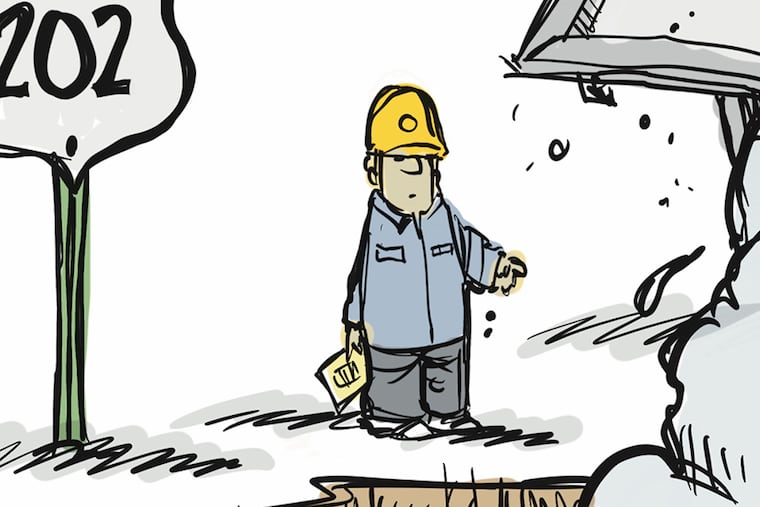
Our community is answering the call. A Tinicum resident has stopped traffic to help snapping turtles safely cross a four-lane highway.
A family in Mantua planted 500 plants and bulbs in memory of a city worker who died in the line of duty.
Neighbors in Fort Washington faithfully refill bird baths and tend butterfly gardens.
A mother and toddler in the Lehigh Valley have spent two summers raising caterpillars into monarch butterflies, and their backyard is now a thriving ecosystem the monarchs return to.
These individual actions will never appear on a list of Philadelphia firsts. But multiply them by 250,000, and they become something remarkable. In many ways, this is how change has always been made — through individual choices repeated until they become collective action.
Philadelphia Zoo is proud to have been first. We are proud of the generations of people who have made this institution a leader in wildlife conservation, education, animal care, and innovation.
But as Philadelphia and America celebrate 250 years, our greatest responsibility is not simply to honor what came before us. It is to decide what we want the next 250 years to look like — for wildlife, for people, and for the planet we share.
Our future won’t be written by a handful of grand gestures, but by a multitude of individual actions — turtle by turtle, season by season, neighbor by neighbor — growing into something much bigger: a movement.
Submit your actions for animals at philadelphiazoo.org.
Dani Hogan is the director of mission integration at the Philadelphia Zoo, and Jo-Elle Mogerman is the zoo’s president and CEO.