Philadelphia’s World Cup and All-Star summer proved something. Let’s not waste it. | Editorial
The city earned rave reviews as a global host this summer. The can-do spirit that made it happen should be turned toward crime, schools, and the inequities that persist long after the cameras leave.
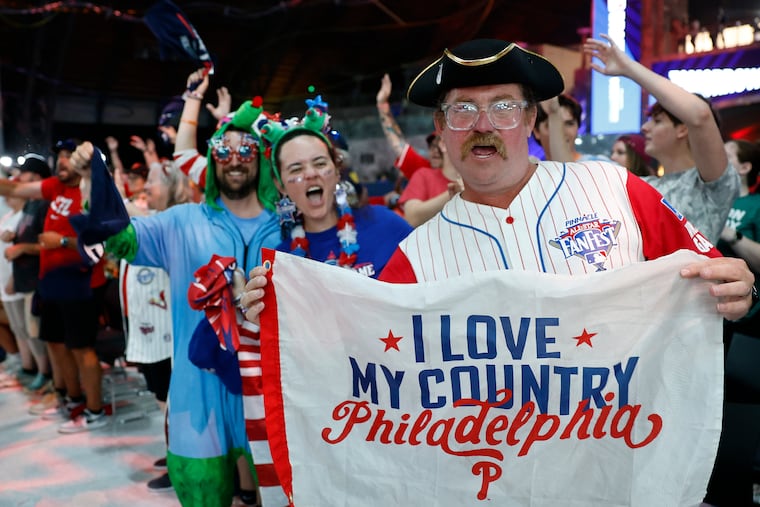
It’s been a big year for Philadelphia. The cradle of American democracy has been in the public eye during the nation’s Semiquincentennial and a series of sporting events that have brought visitors from across the world — all to rave reviews.
In a sign of how far we’ve come from the bad old days of apathy and deterioration, the City of Brotherly Love and Sisterly Affection rose to the challenge and then some.
Those in town for the PGA Tour in nearby Aronimink, the FIFA World Cup and Fan Festival at Lemon Hill, Major League Baseball’s All-Star Game, and the country’s 250th birthday mostly raved. A visiting Brazilian fan called Philadelphia “the most beautiful city” he’d ever seen. A level of effusive praise that stunned many residents who are accustomed to scorn, not admiration.
Officials must now take the planning, determination, and can-do attitude they brought to making the city succeed on the world stage and prove they can make Philadelphians proud even after the spotlight has dimmed.
Fifty years ago, during America’s Bicentennial, many in the city rightly felt its best days were long gone.
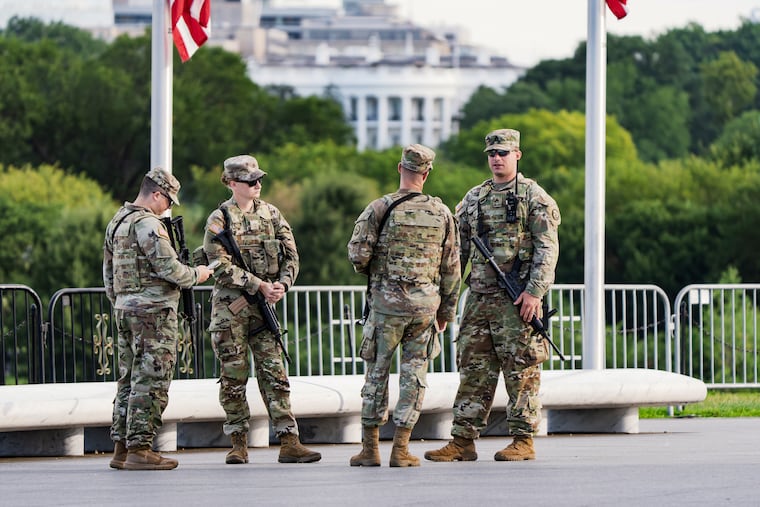
Then-Mayor Frank Rizzo, known for his brutal tactics as police commissioner, scared visitors away after he requested federal troops out of fear of protests. No soldiers came to the city, and the planned demonstrations went off without any bloodshed. Still, Rizzo’s warning did little to change the city’s blossoming reputation as a dead-end town.
» READ MORE: Four people killed by ICE agents. A lawless administration. It won’t stop unless voters act | Editorial
Under Rizzo, the city’s economy had stagnated. Roughly a quarter of a million people left Philadelphia during the 1970s. Mismanagement of city government led to a ballooning budget deficit, which officials filled with the biggest tax increase in city history.
Philadelphia could never lose its place in U.S. history, but its status as the workshop of the world would never return. Instead, it became known as a symbol of America’s urban decline. Blight spread, violence proliferated, employers left, and quality of life deteriorated. This, in turn, fostered the rise of the “negadelphian,” residents and former residents who expected the worst of the city, its teams, and its people at every turn.
Over time, this sentiment came to dominate conversations about our city. People who had never set foot in the Delaware Valley could all tell the story of how Eagles fans threw snowballs at Santa, while the terms “Filthadelphia” and “Killadelphia” became common.
That negativity was rarely in sight this summer, as Philadelphia put its best face forward to wow the crowds who focused on the city’s history, architecture, walkability, and friendliness. Even much-maligned and chronically underfunded SEPTA reopened long-closed concourses and seamlessly ferried fans to their destinations.
» READ MORE: Pennsylvania lawmakers passed a budget — and ducked every hard question | Editorial
The challenge for city officials now is to keep the momentum going. After all, while the city’s faults may have been sanded down for guests, residents know them all too well.
Mayor Cherelle L. Parker has received positive feedback from residents on cleanliness, and homicide has declined to rates not seen since the 1960s, but many of the city’s day-to-day challenges remain. Taxes on workers and businesses are high enough to impede commercial activity and push residents out of the city and into the suburbs. A lack of job opportunities continues to be the top reason people leave our region.
Our city’s underfunded educational system is scheduled to close 17 schools soon. The city’s parks and libraries make do with fewer resources than their peers. Brutal transit service cuts could occur next year unless Harrisburg acts.
Fortunately, the summer of sports may also point to a way out of these long-standing issues.
Throughout the year, ordinary Philadelphians mobilized to help show off their city. Around 3,000 people signed up to serve as volunteers during the World Cup. Others chose to become Phambassadors through the Visitor Center, working to showcase the city.
This grassroots energy should be harnessed and turned into political power that can keep Philadelphia moving forward.
Ultimately, it isn’t enough to simply change the way outsiders talk about our city. For Philadelphia to truly move beyond its decades-long reputation, Philadelphians must truly believe the hype.