Letters to the Editor | Aug. 16, 2026
Inquirer readers on the settlement of an antisemitism lawsuit at Haverford College and public benefits for U.S. born children of immigrant parents.
Legal equality
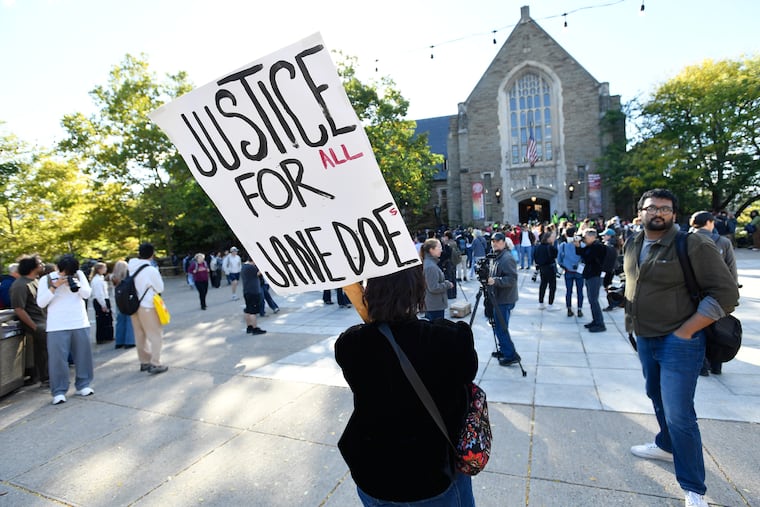
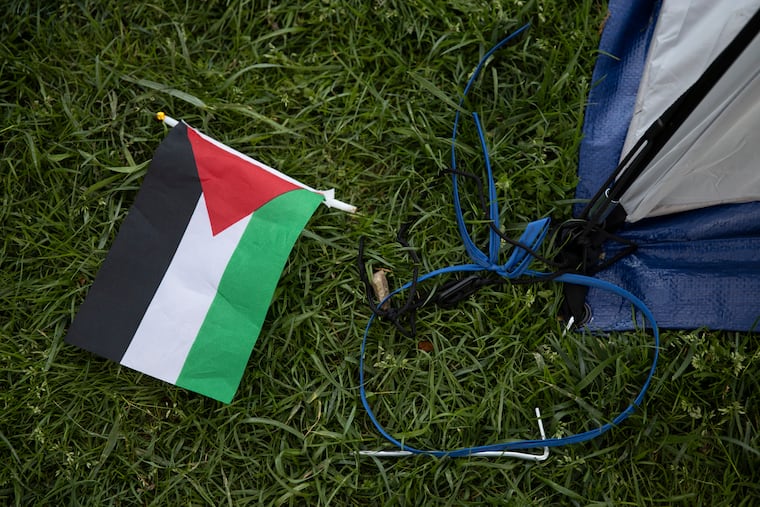
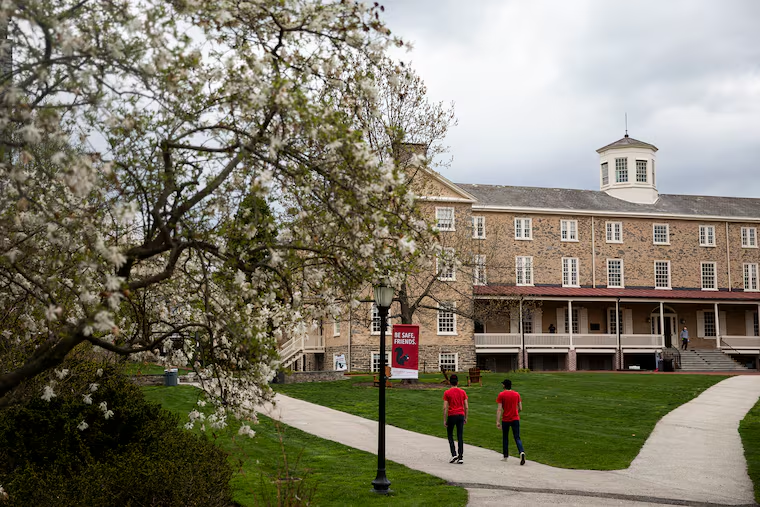
In his recent column on the lawsuit settlement at Haverford College, Jonathan Zimmerman problematically champions the “Jerusalem Declaration on Antisemitism.” But I agree with those critics who argue that definition runs afoul of international human rights law, denying Jews equal protection of the legally binding International Covenants on Civil and Political Rights and Economic, Social and Cultural Rights, which both respect the right to collective national self-determination. Just like anti-Palestinian discrimination that denies Palestinians the right to self-determination is morally and legally indefensible, denying Jews and Israelis their equal and parallel right to self-determination and their collective identity is also a violation of international human rights law. To the extent that it entails discrimination on the basis of religion and ethnicity and Israeli nationality and origin, it also violates U.S. civil rights law, which colleges and universities are legally obligated to respect. We can simultaneously support free speech and freedom from discrimination, harassment, and abuse without excluding Jews and Israelis.
Noam Schimmel, Albany, Calif.
Physician’s perspective
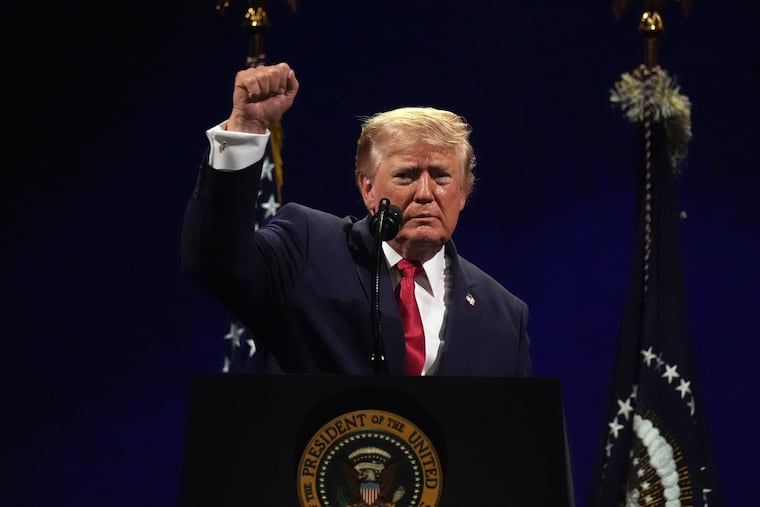
As a pediatrician, I pored over your article about how the Trump administration may be forcing immigrant parents to choose between green cards and benefits for their U.S.-born children.
Fear is now a more effective deterrent to public benefits than eligibility rules ever were. That’s the reality facing mixed-status families under the revived public charge rule.
As a physician, I don’t see immigration status in the exam room. I see a baby who needs her 2-month vaccines, a toddler whose growth curve is flattening, a child with asthma who needs a nebulizer covered by Medicaid. All of them happen to be U.S. citizens who are legally entitled to that care regardless of their parents’ immigration status. Yet, the U.S. Department of Homeland Security itself projects that more than 950,000 people will unenroll from or avoid these public benefits not because they are ineligible, but because they are afraid.
No child should go without medical care because their family is afraid to ask for it. Our responsibility is to protect the children in front of us, not create policies that punish families for seeking essential care. When this rule takes effect on Sept. 18, its consequences will fall hardest on the very children we are entrusted to protect.
Francisca Bermudez, Merion Station
Join the conversation: Send letters to letters@inquirer.com. Limit length to 150 words and include home address and day and evening phone number. Letters run in The Inquirer six days a week on the editorial pages and online.