After the Cornell case, it’s time for colleges to have an overdue discussion about the role of alcohol in sexual assault
The subject is often avoided so as not to imply that drinkers deserve blame for being assaulted. They don’t — and if we want to address sexual violence on campus, we have to address student drinking.
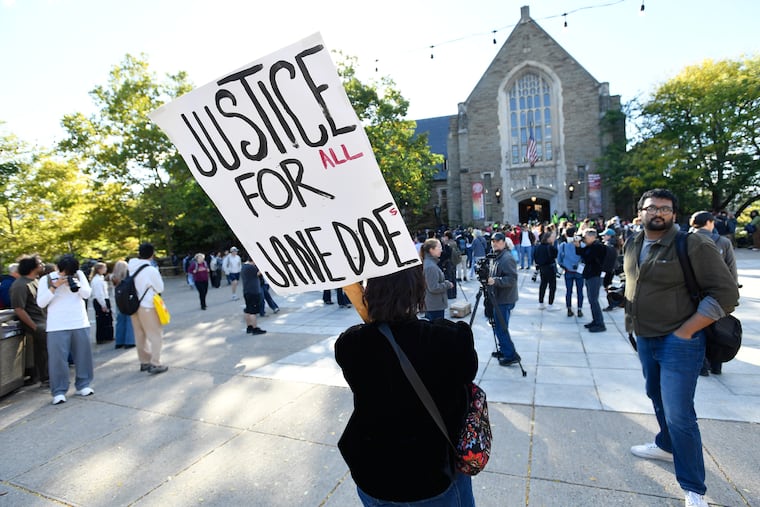
Clearer reporting systems. More thorough investigations. Improved education around consent.
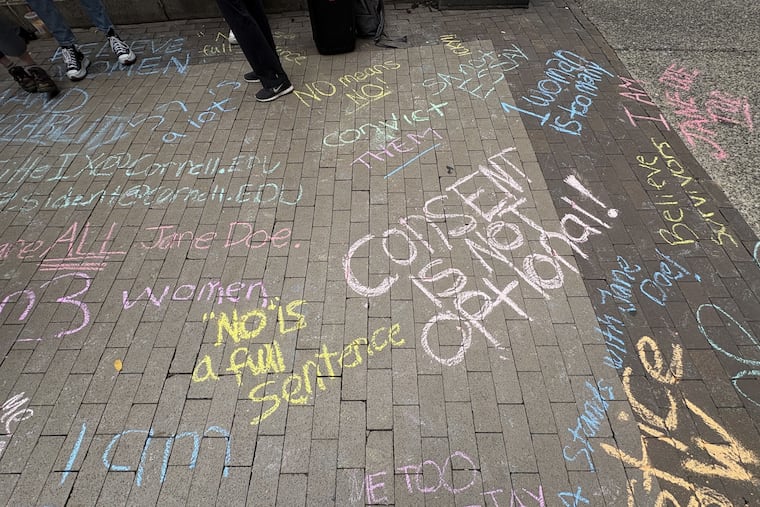
We’ve heard all of these demands over the past few weeks, after a former Cornell student sued the university and seven men who allegedly gang-raped her at a fraternity house in 2024. I’m in full agreement with the calls for change. Sexual assault is rampant on American campuses, and we need much better systems for preventing and prosecuting it.
But here’s one thing you probably haven’t heard: If we want to reduce sexual assault at our colleges, we’ll also have to bring down student drinking.
There, I said it. So did 8 of 10 college students responding to a 2015 Washington Post-Kaiser Family Foundation survey, who agreed that consuming less alcohol would be “an effective way to prevent sexual assault.”
And research since then has shown that half of campus sexual assaults involve alcohol use by the victim, the perpetrator, or both.
Alcohol can increase aggression and decrease inhibition. It makes it harder to interpret social cues. And it makes victims less capable of giving sexual consent and resisting sex they don’t want.
But if you look at most campus websites about sexual assault prevention, alcohol is barely mentioned. And on the sites about drug and alcohol abuse, there isn’t much discussion of sexual violence.
That’s because we don’t want to blame the victims. If we caution students about the link between drink and sexual assault, the argument goes, we’ll teach them that drinkers are responsible if they get assaulted.
So let me be absolutely clear: they’re not. In every sexual assault, the sole responsibility lies with the perpetrator. Period, full stop.
But we shouldn’t let that fact blind us to another one: that if one or more partners are drunk, they’re more likely to do something the other one doesn’t want. That’s not victim-blaming. It’s common sense.
In every sexual assault, the sole responsibility lies with the perpetrator. Period, full stop.
And alcohol runs through the Cornell story like a bloody river.
At least one of the men accused in the assault had been drinking and the victim had, too. Investigators said that the fraternity member who acknowledged drinking said that he had “a pretty solid recollection” of the evening because — in his view — he hadn’t drunk very much. He had consumed six beverages: three beers and three vodka-and-Hawaiian Punch mixed drinks.
That tells you more than any set of binge-drinking statistics about the culture of alcohol on our campuses. If six drinks seems like a small amount, we have a big problem.
At the University of Pennsylvania, where I teach, administrators have crafted a comprehensive policy regarding the use of alcohol. Yet, students chat knowingly — and, often, humorously — about “getting MERTed.” That’s Penn-speak for being so blackout-drunk that someone calls the Medical Emergency Response Team to assist you.
There’s nothing funny about it. Over 1,500 college students die each year from alcohol-related injuries or alcohol poisoning, which took the life of Penn State freshman Timothy Piazza at a fraternity hazing in 2017. About 1 in 5 women at college experience sexual assault, which too often is fueled by — yes — excessive drinking.
But in New York and 18 other states, so-called “voluntary intoxication” laws say that a person can only be considered incapacitated — and, therefore, unable to consent to sex — if they could not communicate or if they were given alcohol or drugs against their will. Neither condition applied to the Cornell victim, the local district attorney has said, so he declined to press charges in her case.
The episode has spawned widespread calls to revise New York’s law so that prosecutors could enter sexual assault charges when a victim was under the influence of alcohol or drugs and an assailant should “reasonably” have known that. That’s what the law says in at least two dozen other states, including California and Virginia. (Under Pennsylvania law, a victim is considered incapacitated only if they were administered alcohol or drugs without their knowledge.)
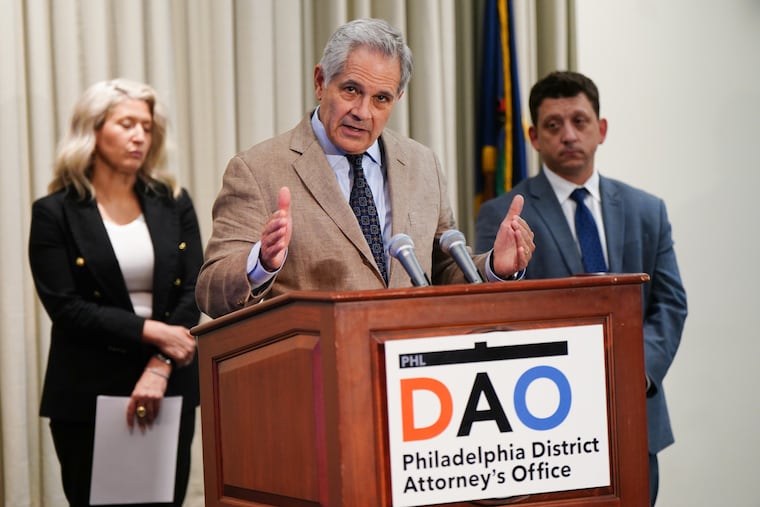
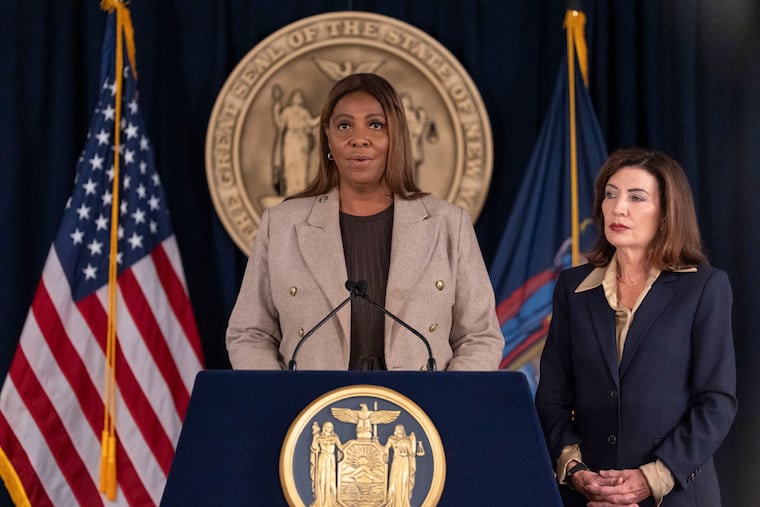
I hope New York follows their lead and changes its sexual assault measure, so it becomes easier to hold assailants accountable. And if state Attorney General Letitia James — appointed last week as a special prosecutor in the Cornell case — finds sufficient evidence that the accused men engaged in sexual assault, I hope she she seeks the highest possible sentence for them.
But no matter what happens at Cornell, we already know what will happen on college campuses next weekend. Thousands of students will get drunk, impairing their judgment and self-control. And with that, the chances that sexual assaults may occur vastly increases.
So let’s get real, once and for all. Every college should put up signs across campus, declaring a simple fact: More Drinking Means More Sexual Assault. Every university president should work that into their convocation speech. Every professor should share it with their students. Shout it from the hills and valleys. Do whatever it takes, to get the point across.
Again, that doesn’t mean we should blame victims or exonerate perpetrators. But if we shrink from telling the truth about alcohol and sexual violence, we will all share the blame for whatever comes next.
Jonathan Zimmerman teaches history and education at the University of of Pennsylvania. His next book, “Schooling Citizens: How Education Can Save our Democracy,” will be published in the spring by the American Philosophical Society Press.