Taking the first 'baby steps' to avoid ovarian cancer
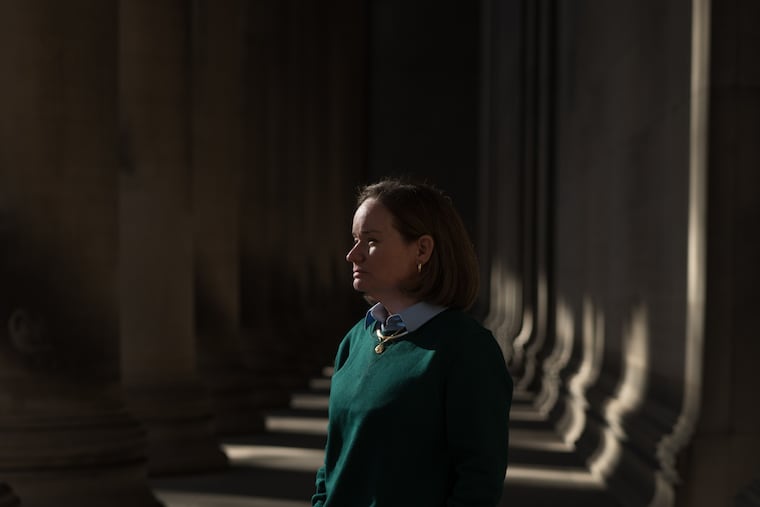
In February, six weeks after my third daughter was born, I took my first baby steps on my journey to embracing the title 'previvor' and had a surgeon remove my Fallopian tubes, a procedure called a salpingectomy
In February, six weeks after my third daughter was born, I took my first baby steps on my journey to embracing the title 'previvor' and had a surgeon remove my Fallopian tubes, a procedure called a salpingectomy
As a 34-year-old woman with a BRCA mutation, my thought was that removing my Fallopian tubes first might prove a preventive measure that wouldn't throw me into menopause.
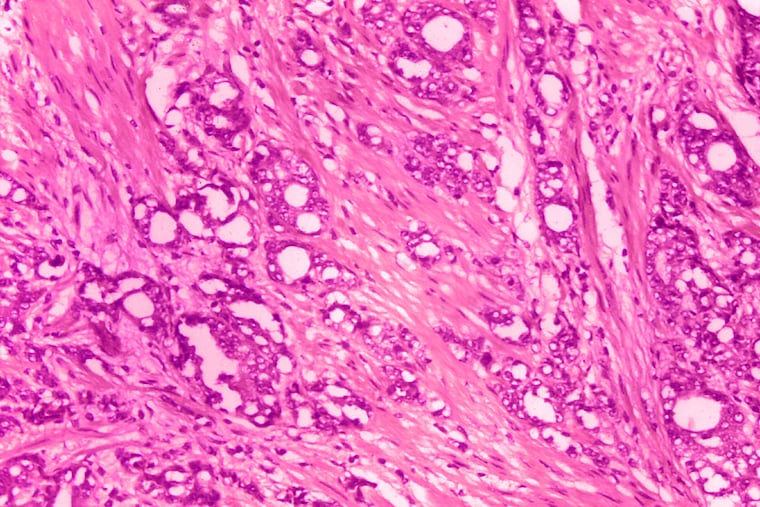
This isn't an option most people know about, but research over the past few years shows that up to 75% of ovarian cancers start in the fallopian tubes.
What you should know is if you are considering this procedure for risk reduction is that research is not *quite* there to say this is the last procedure you'll need. We still do not know nearly enough about ovarian cancer in general. We don’t have any screening tools to find it early. We don’t know exactly how or why it spreads. So, to be safe, until more data is mined on women like me who choose salpingectomy, the gold standard for BRCA mutation carriers is a bilateral salpingectomy and oophorectomy.
I will have my ovaries out later and am even considering doing it at the same time I undergo a mastectomy, but if not at that point, then shortly thereafter.
Menopause, even when it occurs naturally, carries a of number of possible health complications from hot flashes and mood swings to the lesser discussed bone, heart and mental health issues. Plus, with an oophorectomy or hysterectomy at a younger age, surgical menopause would not come gradually like natural menopause.
On a personal level, there were additional factors at play. My baby – who had been born the previous December – left me postpartum with my hormones in flux. Taking my ovaries at that time might have really thrown my system out of whack, leaving me postpartum and going through menopause at the same time.
In addition, because I have not yet had a prophylactic bilateral mastectomy, most physicians wouldn't automatically allow me to take hormone replacement therapies (HRT) to ease the menopausal symptoms. Though there are studies showing that HRT in BRCA1 mutation carriers may actually reduce the risk of breast cancer, it's not something I wanted to explore, especially as I plan to have my mastectomy within the year.
Initially, early formulations of HRT paired with women already at risk or possibly already developing cancers linked it to an increased chance of breast cancer. Newer data and knowledge points to this being a bit of an overreaction and suggests HRT does more good than harm for many women.
After my mastectomy, with my risk level for breast cancer drastically lowered, most specialists agree even BRCA mutation carriers who undergo an oophorectomy or hysterectomy are eligible for treatment of their menopause symptoms,
Although the procedure does offer permanent birth control, a salpingectomy does not mean I could never carry another baby. Younger women who know they will need fertility treatments or those set on pursuing preimplantation genetic diagnosis (PGD) where embryos are tested for hereditary features like mutations in BRCA, can have a salpingectomy and go on to carry children.
Some still feel this is not a procedure that fits them. My oncologist reminded me it is making what could be one surgery into two. My pathologist brother-in-law wants me to do it all yesterday. But at this point in my life, it works for me.
Katrina Altersitz Wells is an editor for medical news publications and blogs at Curiosity Saved the Kat.
Read more Diagnosis: Cancer here »