A fence meant to keep deer out of Randolph Woods is trapping them, worrying residents and prompting vandalism
Malvern officials say that the fence has been "intentionally cut" and they have installed cameras in response.
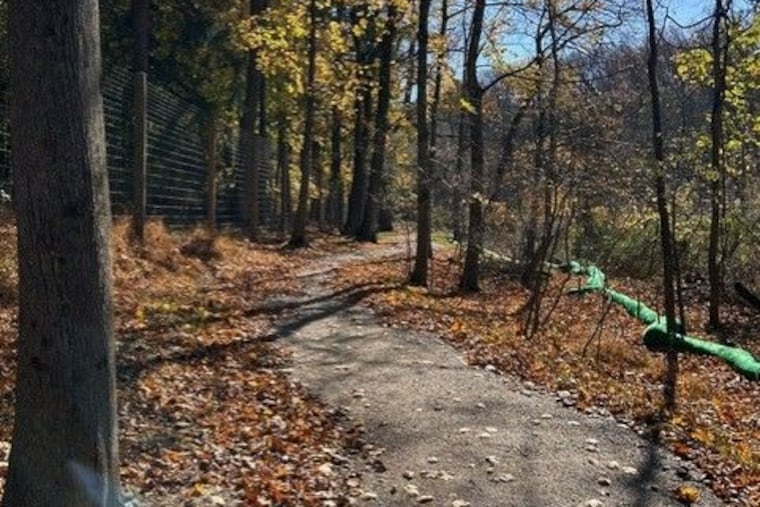
A fence installed to help keep deer out so depleted vegetation in Randolph Woods Nature Preserve can regrow has inadvertently been trapping deer inside, leading to vandalism as some residents worry about the animals’ welfare.
Photos of deer and foxes peering out from behind the fence have circulated on social media, with Malvern residents concerned that the issue is too recurrent and dangerous for the wildlife.
Borough officials said that residents intentionally tried to reintroduce deer to the preserve, and that the fence was “intentionally cut” earlier this month.
“We are going to investigate it and if and when we do find anyone damaging the fence or the gates or anything you will be charged appropriately,” Malvern police chief Louis Marcelli said at a Nov. 4 public meeting.
Several instances of cutting the fence have occurred, said Sylvie MacKenzie, director of communications for the borough. Cameras have been installed to monitor the fence. No one has been charged.
The deer fence, installed last December, is part of a long-term, grant-funded plan to revitalize the 43-acre woodlands, the largest park and a beloved open space in Malvern. The preserve’s vegetation declined in recent years, prompting a years-long improvement plan to better nurture the wooded slopes and rolling creek.
The deer are among the culprits for that decline, by chowing down on native understory and ignoring the invasive species, officials said. Deer removal is part of the borough’s phased plan to protect young trees and native species, officials said.
But the fence has prompted pushback from some residents, who see the animals stuck behind it and worry they have no access to water just beyond the fence line. They also worry it was installed too quickly, disrupting the ecosystem.
“I think it’s time to take it down. It’s not serving the purpose it was intended to and it’s actually creating a mess,” resident Cassandra Doughty said during public comment at the Nov. 4 meeting. “At this point it’s just kind of cruel.”
Malvern officials said that people propping open pedestrian gates, which are spring-loaded to close automatically, are leading to deer gaining entry, as well as intentional cutting.
Council president Brendan Phillips said the plan was something the borough “thought about long and hard” with two committees informing it. Changing it could force the borough to return the grant funding, he said.
“Who’s going to pay for that? Are you going to insure the borough for the money that we have to pay back?” he said. “You’re not.”
Why a deer fence?
When deer are overabundant, they can “negatively impact” both plants and animals, said Kate Hasapes, wildlife management supervisor for the Pennsylvania Game Commission’s southeast region. They can decimate habitats for ground-nesting birds — turkeys and grouse, for instance — and rabbits. It’s often seen in southeastern suburban areas, where there is little hunting, she said.
The commission uses fencing in areas where deer populations are too high, and are negatively affecting state game lands, as a way to “mitigate negative deer impacts on the ecosystem.”
Hasapes was among a group of state biologists who met with Malvern officials earlier this month to walk through the fenced area and look for improvements. She saw where cuts had been made (and also evidence people were dumping their yard waste into the preserve).
The fence is too high for deer to jump, she said.
“While some more stubborn deer are able to find a way through a fence, most deer cannot,” she said. “People with good intentions for wildlife ended up allowing deer to more easily access the fenced-in area by cutting these holes and leaving the gates propped open.”
The larger mesh at the base of the fence allows smaller animals such as foxes, possums, and turtles to navigate through as they please, she said.
Game Commission officials told the borough that the deer weren’t suffering, MacKenzie said.
Deer get water from three sources, Hasapes said: through metabolic water, like a camel, which stores water in fat; through the plants they eat, like one would a juicy fruit; and through free water, be that the creek or eating plants after rain or dew in the mornings, she said.
Game Commission regional staff are working with the borough public outreach about the importance of the fence and ways to get deer out when they become trapped, she said.
Meanwhile, public works employees have been walking through the fenced areas, now with increased frequency, to check for deer and “guid[e] them safely outside,” MacKenzie said.

Want to get Inquirer Chester County straight to your inbox every week? Sign up here for our guide to the news, stories, and events shaping life in your community.