Wal-Mart to sell locally grown produce
LITTLE ROCK, Ark. - Wal-Mart stores in Arizona now stock Grand Canyon sweet onions while aisles in New York display state-grown eggplant, as the world's largest retailer says it has become the nation's largest buyer of locally grown fruits and vegetables.
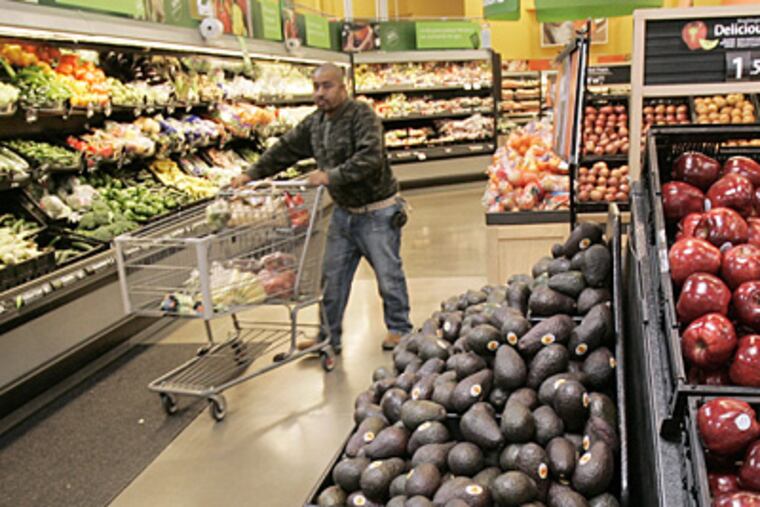
LITTLE ROCK, Ark. - Wal-Mart stores in Arizona now stock Grand Canyon sweet onions while aisles in New York display state-grown eggplant, as the world's largest retailer says it has become the nation's largest buyer of locally grown fruits and vegetables.
Wal-Mart Stores Inc. plans to purchase and sell $400 million worth of produce grown by local farmers within its state stores this year, an effort the company says will only grow. Academic studies show buying locally cuts down on transportation mileage while also assuring customers of a product's provenance amid mass recalls.
"Wal-Mart would not be the first" to buy local, said Rich Pirog, associate director of the Leopold Center for Sustainable Agriculture at Iowa State University. "But they're obviously, without question, the largest retailer to go down this route."
Among retailers, Whole Foods Market Inc. of Austin, Texas, is perhaps best known for buying and selling locally grown produce, Pirog said. Others, such as New Seasons Market stores around Portland, Ore., and Hen House Market stores in Kansas City, cater to customers looking for fresh produce.
For Wal-Mart, which leverages bulk purchases to keep prices down, buying from local farms might not appear to fit the company's strategy. However, the Bentonville-based company has focused on buying fruits and vegetables from farms closest to its distribution centers, making shipping easier while cutting down on trucking in produce from outside of the area, said spokeswoman Deisha Galberth.
For example, the retail giant once bought peaches from only a few suppliers. Now, Wal-Mart buys 12 million pounds of peaches annually from farms in 18 different states, she said.
Because of that, the company estimates, it saves about 100,000 gallons of diesel fuel a year and cuts away 672,000 food miles - the distance produce travels from farm to a customer's plate. That adds up to $1.4 million in annual savings, Galberth said.
"It's one of the ways we've been able to keep costs down," Galberth said. "Our customers right now are struggling with tough economic times and looking to us to provide them with products that are at the quality they want and a price they can afford."
Wal-Mart considers locally grown produce anything farmed within a state's boundaries. Galberth said customers will soon see signs near produce that indicate it comes from the same state. The company already has agreements with some states to have stickers and labels show the state certified the produce came from there.
---
On the Net:
Wal-Mart Stores Inc.: http://www.walmartfacts.com
Wal-Mart's locally grown site: http://www.walmart.com/locallygrown