Applying for college 'like looking for a job'
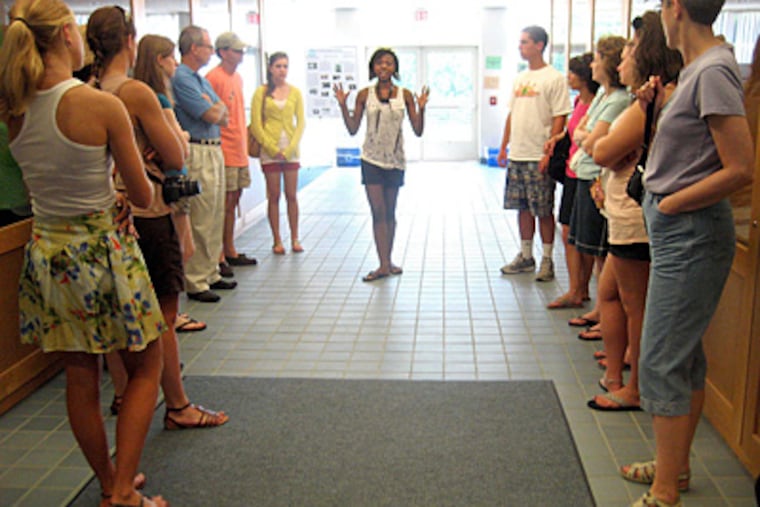
COLUMBIA, S.C. — These are busy days for
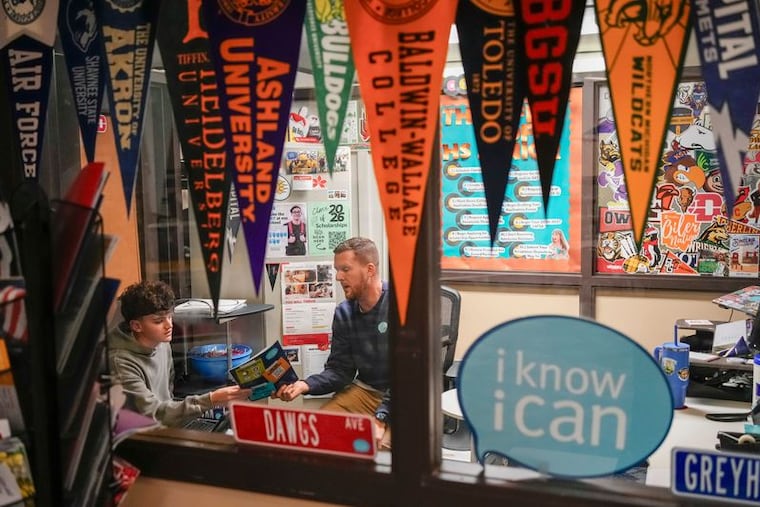
The telephone in her small office rings constantly, and students and their parents show up with questions — lots of questions.
Applying to college, never a simple process, has evolved into a costly, confusing journey. There are application fees, standardized-test fees, travel costs to visit a school, application deadlines, essays to write, recommendations to get and federal aid and state residency forms to complete.
"Applying to college is like looking for a job," Loveday said. "It takes a lot, but it's worth it."
The deadline for students applying to
Applying early typically increases a student's chances of getting scholarship assistance and on-campus housing.
Deadlines to apply for regular admission vary widely.
The
The costs start adding up when high-school students apply to several colleges.
A quarter of students apply to only one or two colleges, according to a national survey by
Submitting multiple applications isn't cheap.
Application fees typically range from
Students just getting started now are getting started late, college admissions officials said.
"The process is not where the confusion is," Boyle said. "The students make the assumption that there is no process. They think you go to high school, graduate, go to college. They think it's automatic."
Those students couldn't be more wrong, Boyle said.
Instead, students and parents need to be thinking about college as early as the eighth grade, Boyle said.
To help start those conversations, S.C. State admissions officials travel to middle schools throughout the state, meeting with students and parents.
"You have to have that conversation in the eighth grade. 'Here's what you have to do in high school,'" said Boyle.
Boyle said he recommends students first take a college-entrance exam in the second half of their freshmen year of high school and use the results to determine the classes they should take during the next three years.
The goal, he said, should be to take tough classes in areas where the standardized tests indicate weakness.
Some students shy away from tough honors or advanced placement-level courses, but colleges want students who have pushed themselves, Boyle said.
"Rigor," he said. "Have you been exposed to that rigor?"
Boyle, who had high praise for high-school guidance counselors in general, said some do students a disservice by telling them not to worry about taking standardized tests until they pass the state high-school exit exam, required to graduate.
As a result, some students enter the later years of high school with little or no exposure to the standardized tests that colleges use to evaluate applicants.
Several public colleges and universities in
But Charles N.
"Some of our schools are very large,"
More than 100 college, military and professional school representatives participated in last year's fair, and Rawlinson expects a similarly large turnout this year.
Students will be bused to the Coliseum to ask officials about the college application process.
"That takes away somewhat the cover, the mystery," Rawlinson said.
Many students assume they won't be able to afford college, she said.
"What we tell students is, pick a college and don't worry so much about the cost," Rawlinson said. "If you have the grades, the colleges will work with you. What we encourage is just have the conversation."
Boyd is one of the district's three semifinalists in the 2010 National Achievement Scholarship program, which gives scholarship assistance to high achieving African-American students.
A point guard on Dreher's basketball team and a member of its golf team, Boyd said his "dream" schools are the
He said he already has visited many of the S.C. colleges and has applied to
"I have close relatives in my family who know about college life, and they told me to get started early," Boyd said.