Drivers' input sought on Ben Franklin Bridge bottleneck
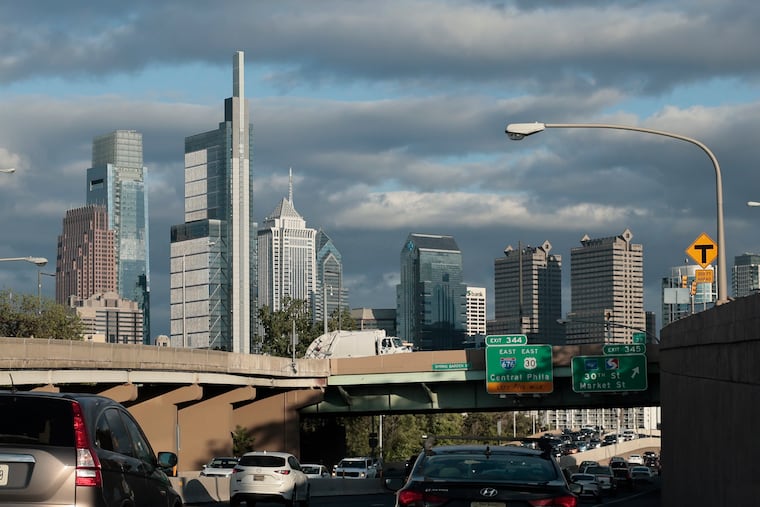
The Delaware River Port Authority yesterday announced it was launching a study aimed at easing the ferocious morning congestion on the Philadelphia side for drivers who use the Ben Franklin Bridge.
The Delaware River Port Authority yesterday announced it was launching a study aimed at easing the ferocious morning congestion on the Philadelphia side for drivers who use the Ben Franklin Bridge.
The agency, which owns and operates four bridges between New Jersey and Pennsylvania, said the new study would further examine seven recommendations from a 2003 report.
"We're delving a whole lot deeper and really getting more detailed into studying things, so we're doing traffic counts and origin and destination studies, and we're looking into environmental factors. . . . This one just takes it a step further," authority spokeswoman Danelle Hunter said.
The authority is asking commuters to make suggestions at its Web site, www.drpa.org, and said it intended to hold periodic public meetings as it works out a short- and long-term implementation plan. The study is expected to take 12 to 15 months.
Federal Highway Administration money will pay the $660,000 contract with traffic consultant McCormick Taylor Inc., Hunter said.
The 60,000 westbound vehicles that enter Philadelphia off the bridge on a typical weekday confront a scramble of lanes and ramps. Recommendations from the previous study include widening Vine Street between Seventh and Ninth Streets, installing a flyover ramp to directly connect the bridge with westbound I-676, and varying toll prices to encourage people to travel during nonpeak hours.
The 2003 study resulted in no capital improvements - it mainly identified issues that contributed to the heavy traffic and made recommendations for allaying it.
David Weinstein, a spokesman for AAA Mid-Atlantic, supports the DRPA's move to keep looking for solutions.
"We do hear from our members about congestion in that area . . . frankly, I think it's a great idea to solicit information from actual people who are caught in traffic and to do that on the Web, making it easier for them, is a great idea," Weinstein said.
The previous study also recommended identifying methods such as variable message boards and a DRPA "e-Alert" system that would provide motorists with up-to-the-minute information on the length of time to their destinations.