Philly workers say they are still owed pay, months after jail health care collapse
Philadelphia abruptly ended its contract with YesCare, a jail medical services provider, in May shortly after the company declared bankruptcy and following weeks of missed payroll payments.
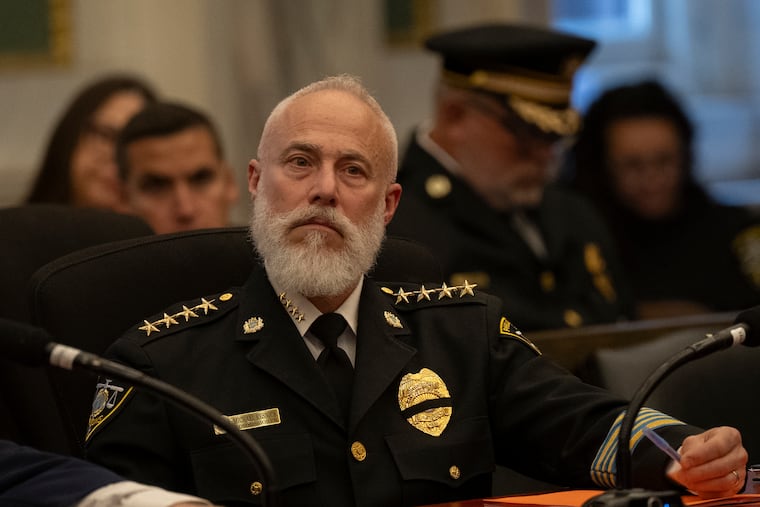
Months after Philadelphia abruptly ended its decades-long relationship with its bankrupt jail health care provider, some medical workers who went unpaid during the company’s collapse still have not been made whole, union representatives say.
Jail medical workers, prison advocates, and city officials this week gave City Council’s committee on legislative oversight a fuller public account of how the contractor, YesCare, unraveled over months — and what the city knew as it did.
Even before YesCare’s bankruptcy, the city had decided to switch providers and awarded a one-year contract worth up to $80 million to CFG Health that was scheduled to begin in July. But the South Jersey-based company took over in May after YesCare’s sudden financial collapse led the city to ask a federal bankruptcy judge to end the YesCare contract five weeks early.
» READ MORE: Philly abruptly dropped its jail healthcare contractor after more than 3 decades
YesCare’s bankruptcy in May followed a $308 million federal verdict against the company in a Michigan medical negligence case and Alabama’s termination of a $1 billion prison health care contract with the company. Bankruptcy court records described medical workers in Philadelphia’s jails failing to report for shifts amid missed paychecks.
But for the workers who kept the jails staffed through that collapse, the damage has outlasted the contract, two workers testified at Council’s Wednesday hearing. Advocates, meanwhile, said the city’s handling of the crisis, and of the search for YesCare’s replacement, raised broader concerns about oversight of the health of the city’s incarcerated population, which has ranged from 3,000 to 4,000 people daily in recent years.
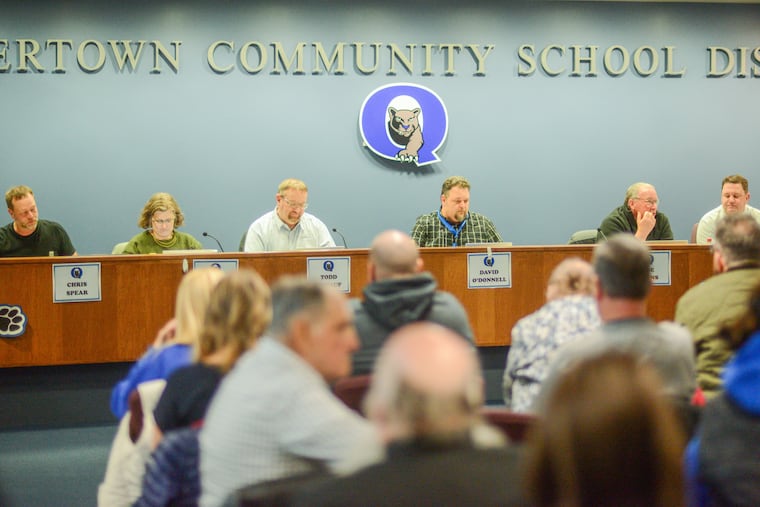
“Contracts worth millions and millions of dollars deeply impacting our incarcerated population, decided with no public input or transparency,” Chris Kimmenez, the chair of Philadelphia’s newly established citizen-led oversight commission for the prisons, said at the hearing.
The city knew a crisis was brewing as YesCare failed on occasion to pay for lab services and pharmaceuticals since 2022, Kimmenez said, but the public was kept in the dark until its financial collapse this spring.
Those missed payments hurt staffers’ ability to provide quality healthcare and drove up costs, said Christine Bendig, who has worked as an X-ray technician at the jail for more than 22 years.
YesCare’s problems predated the company’s bankruptcy. Telephone service interruptions, declined company credit card payments, and discontinued lab services, all due to unpaid bills, had become routine, she said.
“These failures disrupted patient care and made it difficult for staff to provide timely, appropriate treatment,” said Bendig, who is also a union delegate for District 1199C.
Some of Bendig’s colleagues noticed in late 2025 that 401(k) employee contributions deducted from their paychecks were not appearing in their retirement accounts for weeks, she said.
Starting in March, according to Bendig, scheduled paycheck deposits arrived late to employees’ bank accounts — and only after workers made multiple calls to human resources to report the issue.
Brianna Miller, a behavioral health professional who has worked in the prisons for eight years, said the paycheck delays were at first a matter of hours. But by May, YesCare missed payday altogether.
“Employees should not have to choose between meeting their own basic financial obligations and continuing to fulfill their professional responsibilities,” said Miller, who is also a union delegate.
Asked by Councilmember Nicolas O’Rourke, who called for the hearing, whether the hundreds of 1199C members impacted had been made whole, Bendig replied, “No.”
The union is still calculating how much members are owed in 401(k) contributions and in paid time off they had accrued when YesCare filed for bankruptcy, she said. The amounts vary widely: Some workers are owed about $1,000, while others had more than $20,000 in banked paid time off, Bendig said.
The delayed payments to vendors in recent years were concentrated around two bankruptcies filed by the company and its corporate predecessor, Corizon Health, Prisons Commissioner Michael Resnick said.
“It’s important to note that YesCare’s delivery of medical care services at [the Philadelphia Department of Prisons] was satisfactory prior to its declaration of bankruptcy,” Resnick said.
» READ MORE: A jury awarded $1.67 million to the sons of a diabetic man who died in a Philly jail
The city began searching for a new medical provider for the jails in April 2025, and the bidding process drew seven proposals, including one from YesCare, the commissioner said. The solicitation was not done “under cover of darkness,” Resnick said, and the city ultimately “picked the best of who offered their services.”
But when Councilmember Anthony Phillips asked what the CFG Health contract does differently — including requirements for financial health reporting, payroll protections, and termination triggers — Resnick said he did not know.
While the commissioner said he spent six weeks in the spring spreading awareness of YesCare’s unraveling, not everyone was informed, according to O’Rourke.
“We need more communication when those structures are shaken,” O’Rourke said. “As far as I know, there was no communication to this legislative body about the YesCare bankruptcy or its impact in Philly in real time.”