Gas tax hike is past due
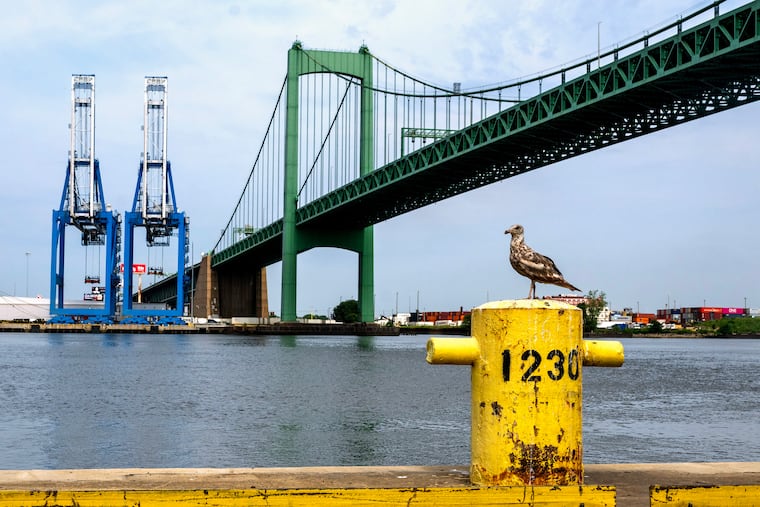
It makes no sense that the same Congress that has failed to maintain the nation's crumbling roads and bridges is thinking of making them more dangerous by allowing bigger rigs driven by younger, less rested truck drivers.
It makes no sense that the same Congress that has failed to maintain the nation's crumbling roads and bridges is thinking of making them more dangerous by allowing bigger rigs driven by younger, less rested truck drivers.
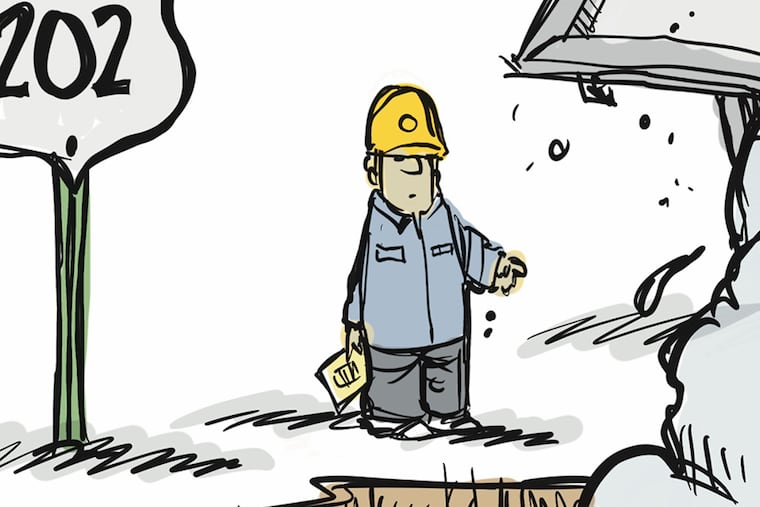
Instead of voting on a long-term plan with a dedicated funding source, Congress has settled for short-term fixes since 2008. States aren't doing much better. New Jersey's Transportation Trust Fund is broke, but Gov. Christie has blocked efforts to replenish it.
Even as lawmakers turn their backs on the need to pay for safer infrastructure, they seem to be turning their hearts over to the trucking industry. The American Truckers Association, with a push from big carriers like FedEx and UPS, wants to increase the size of double-trailer rigs allowed on highways from 28 feet to 33 feet each - "twin 33s," as they're called.
The industry argues that the supersized rigs would reduce the number of trucks on the roads, but there is no way to know if that is true. Skeptics argue that it is more likely that the number of trips would rise with or without twin 33s because more and more people are buying items online that are being transported in trucks.
As difficult as it is to maneuver a rig with two connected 28-foot trailers, imagine trying to steer a truck with 10 feet added to its overall length. What motorist wants to be near such a rig as it tries to make a turn? Who wouldn't be intimidated by one of these behemoths?
Just as reckless is the trucking industry's lobbying to put younger drivers behind the wheel and increase their chances of being sleep-deprived. It wants to reduce the legal age to drive big rigs from 21 to 18 and cut required hours of rest between runs.
Rather than taking steps that would make the roads less safe, Congress should stop relying on short-term fixes and raise the gas tax for the first time in 20 years to finance work to make roads and bridges safer. Pump prices are low enough to absorb the hike.
"There is nothing unfair about asking the people and businesses who use our roads to help pay for them," U.S. Sen. Tom Carper (D., Del.) noted in a recent commentary published in The Inquirer. In fact, the American Trucking Association said earlier this year that it supports a gas tax hike, but that hasn't moved tax-averse members of Congress.
It is alarming that Congress might relax safety rules for trucks while shirking its responsibility to maintain the country's roads. The next time your axle snaps or a tire rim is bent on a bumpy highway, consider delivering the broken car parts to your congressional representatives. Maybe they will finally get the message that motorists, first responders, engineers, business leaders, and economists have been trying to send.