Inquirer Editorial: With deal, NFL dodges hard hit
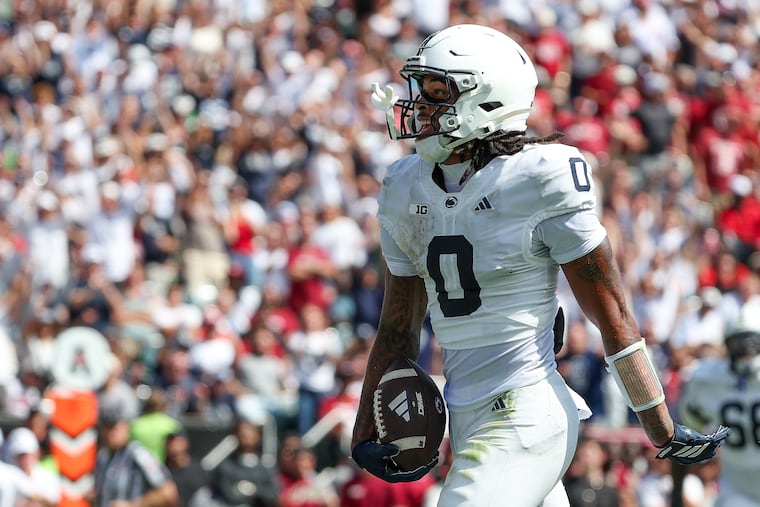
Are you ready for some football - and concussions? Given the high-octane action of the National Football League, the two go together like beer and the hoagies once banned at Eagles home games.
Are you ready for some football - and concussions? Given the high-octane action of the National Football League, the two go together like beer and the hoagies once banned at Eagles home games.
That means the league's public relations problem - specifically, the unease with which more and more fans regard the head-thumping collisions on the field - won't be fading away any time soon.
The reality of players being injured seriously, with potentially devastating, lifelong effects, hasn't been altered in the slightest by last week's landmark legal settlement between the NFL and more than 4,500 former players, worked out before U.S. District Judge Anita B. Brody in Philadelphia.
In exchange for $765 million in compensation to be paid out over two decades, the players decided to forgo a likely uphill court battle to prove that their health problems - ranging from dementia to early-onset Alzheimer's to the crippling killer Lou Gehrig's disease - stem from playing pro football, and that NFL officials looked the other way when it came to the game's risks.
For many of these players facing immediate health problems, the upside of the settlement is that they can qualify for financial help merely by documenting disabling brain conditions. That's a major step forward given that the NFL's stance heretofore has been that its liability for retirees' health problems is minimal, or that it had already done enough for its former stars. So it's entirely understandable that the aging athletes would regard even the relatively modest sum offered by billionaire team owners as their best bet.
Unfortunately for today's NFL players, however, and for millions of amateurs ranging from preteen to college-level, the settlement means the important questions raised by the retirees will not be aired and tested in court.
That public process could have shed light on more than just the league's historical approach to head injuries and whether it willfully turned its back on the implications. It could have provided a forum to explore in greater detail the still-real dangers of a violent game. To that extent, the deal represents a public-health setback.
Going forward, the $10 million to be set aside by the NFL for research and education will further work on enhanced protection for players. But it likely will fall short of the need for more research into the game's risks. That suggests once again that the league got off too easily.
Despite the laudable steps the league has taken to limit brain injuries among today's players - including taking greater care about when concussed athletes can return to the game - it's a safe bet that any given Sunday this season will see injured pro football players stagger off the field or worse. Given that on-the-field reality, NFL officials and owners will need to do far more to protect their players - and, by implication, the viability of their franchises.