2006 called. It wants its election back.
The parallels are striking: An unpopular president and an unpopular war, a Democratic governor from the Philly area looks to win big, and a Fitzpatrick faces a tough race in Bucks County.
The U.S. is fighting an unpopular war in the Middle East. A popular Democratic governor — who loves to tout his Philly sports fandom — is running for reelection. And an incumbent Republican with the last name Fitzpatrick is in a tough race in Bucks County.
2006 called. It wants its election back.
The backdrop of Tuesday’s high-stakes midterm elections feels eerily reminiscent of political conditions 20 years prior, when Democrats won majorities in both chambers of Congress amid a backlash President George W. Bush over the war in Iraq.
“This (year) feels very 2006 déjà vu,” said Amy Walter, the publisher of The Cook Political Report, a nonpartisan ratings group in a podcast interview on “Pod Save America” on Oct. 18. “You have a president with an approval rating under 40% which is where George W. Bush was at this point in 2006, an unpopular war, and corruption being sort of the center of the conversation in Washington.”
The top song on the Billboard charts in 2006 was Daniel Powter’s ubiquitous earworm “Bad Day.” And Republicans had a very bad day that midterm and polls suggest they could be in store for another one on Tuesday.
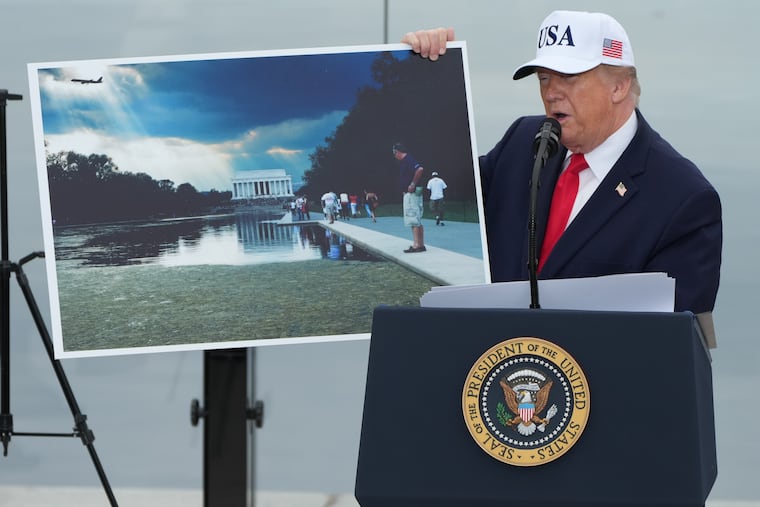
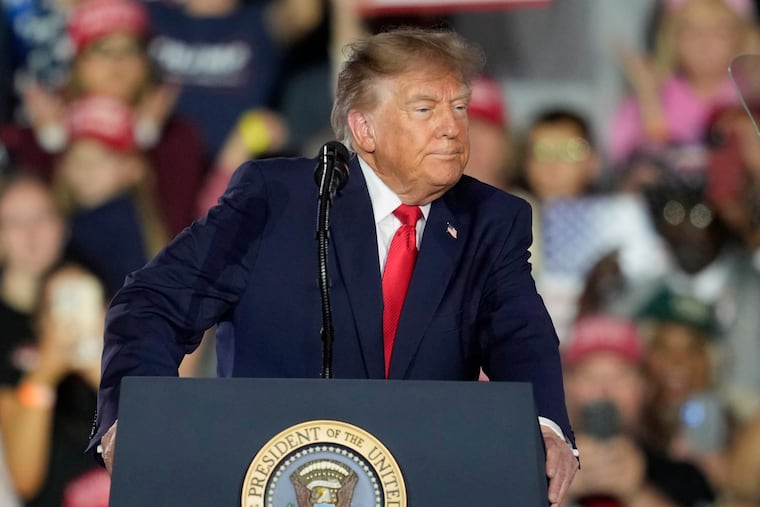
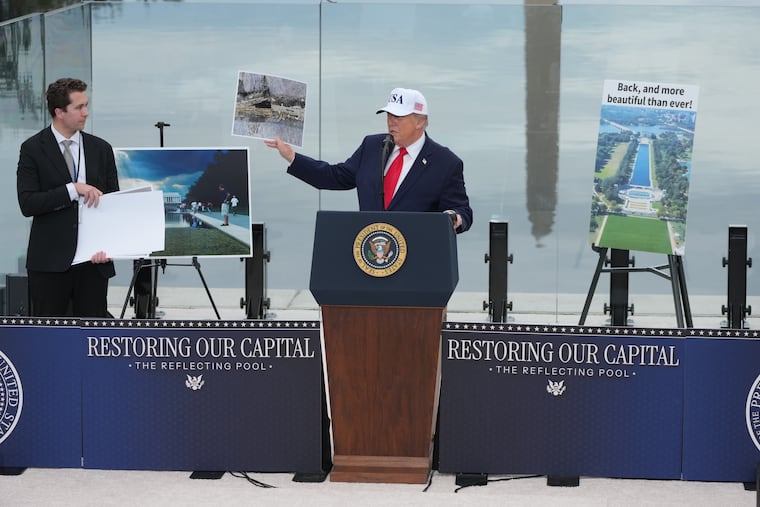
President Donald Trump’s national approval rating is about 37%, according to The New York Times. Voters’ frustration with his decision to launch a war against Iran — and the ensuing impact to gas prices — is a big part of the reason why.
But in Pennsylvania the parallels are even more striking than anywhere else.
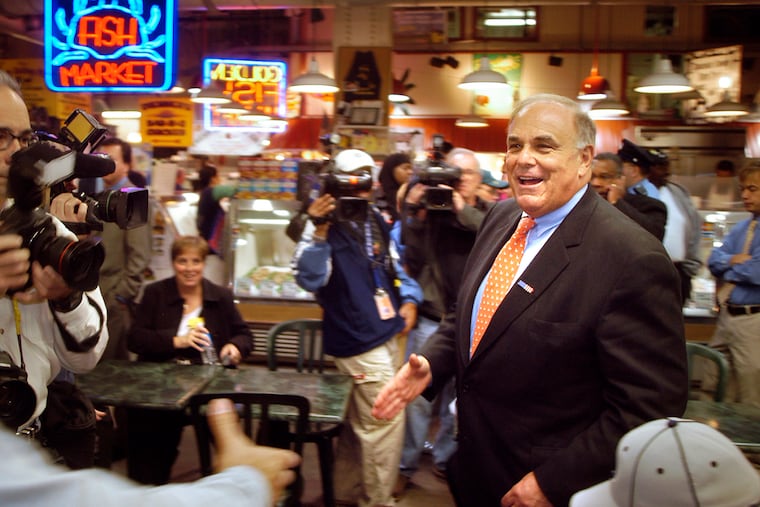
Back then, Gov. Ed Rendell, a two-term Philadelphia mayor, was running for a second term as a Democrat in 2006 against a weak Republican opponent, former Pittsburgh Steelers receiver Lynn Swann.
Rendell clobbered Swann at the polls, winning by 20 points.
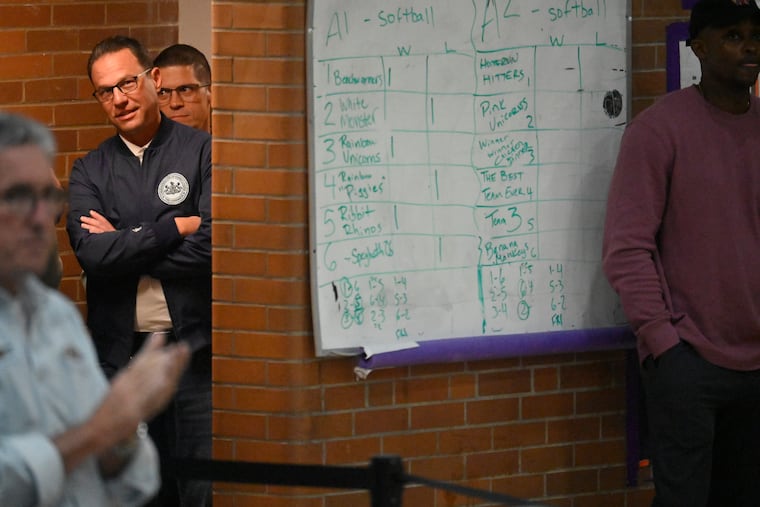
Gov. Josh Shapiro, who hails from the Philly suburbs and also cut his teeth in local politics, looks poised to win by a similar margin against Republican nominee Stacy Garrity, the state treasurer.
Articles in The Philadelphia Inquirer the day after the election described Rendell’s popularity and his “unrivaled campaign war chest.” Sound familiar?
Rendell helped pull other Democrats across the line. His party flipped a U.S. Senate seat that election and four U.S. House seats. Shapiro is trying to pull of a similar feat by boosting downballot Democrats.
“I think both of us did a very good job in our first term in fighting problems that have been somewhat difficult to deal with in the Commonwealth,” Rendell said, in an interview with The Inquirer last month.
Rendell, who like Shapiro is Jewish, also sparked presidential rumors, but never ran for the job. Shapiro has begun taking much more substantial steps toward a White House run.
No U.S. Senate race is on the ballot this year, but Shapiro’s targeting four GOP-held districts, including Bucks County’s 1st Congressional District.
And that’s where the parallels really start to hit hard.
In 2006, the late U.S. Rep. Mike Fitzpatrick, a Republican, lost his reelection bid in Bucks County to Democrat Patrick Murphy in a race decided by just over 1,500 votes.
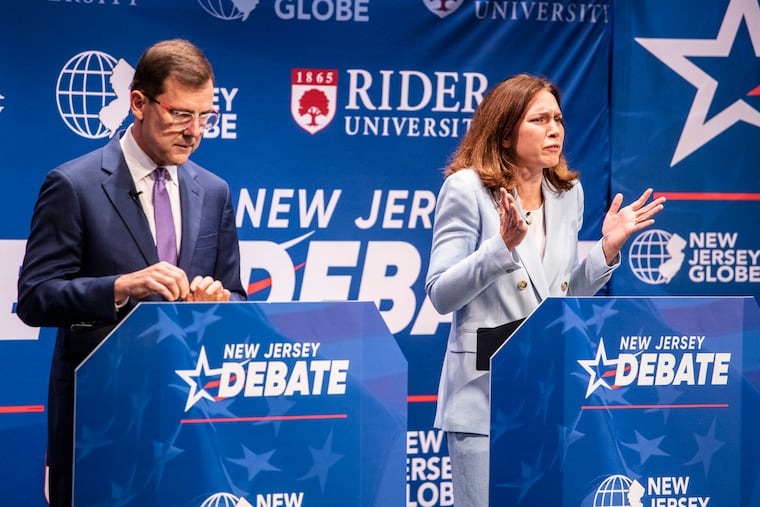
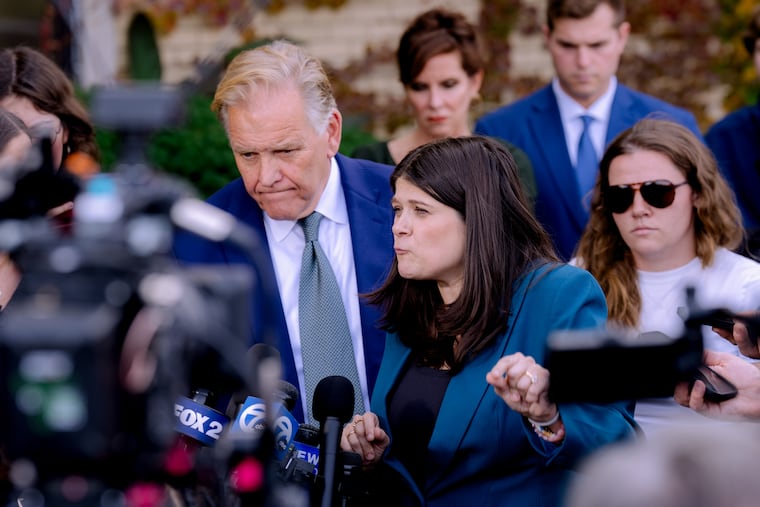
Twenty years later, Fitzpatrick’s younger brother, U.S. Rep. Brian Fitzpatrick, is locked in a race that looks like it could be a nail-biter as he faces a challenge from Democrat Bob Harvie, a two-term county commissioner.
Fitzpatrick has been evoking his brother’s legacy as part of his closing pitch to voters.
“I still think about Mike every day, working across the aisle and putting our community first. That’s who Mike was, and that’s who I’ve strived to be,” the GOP lawmaker says in an ad that recall his brother’s terminal cancer diagnosis in 2015 as an impetus for his entry into politics.
The family has held the Bucks County congressional seat for most of the most of the last two decades — except for a four-year period when Murphy, the first Iraq War veteran elected to Congress, held the district.
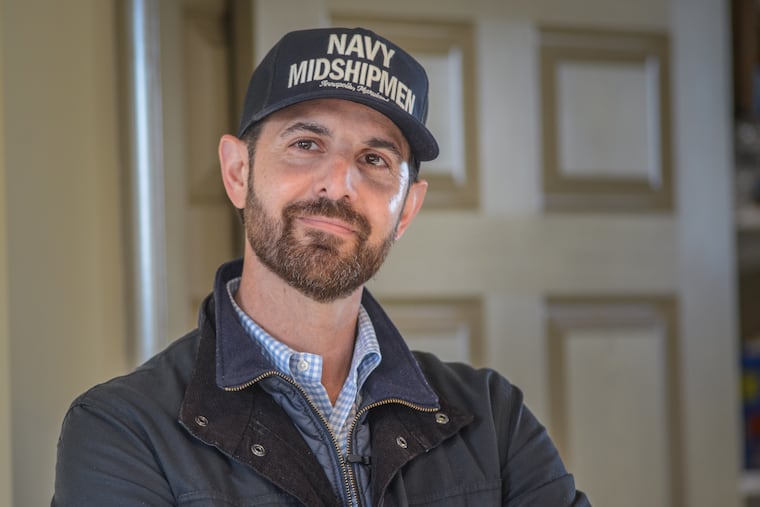
Murphy, in an interview with The Inquirer, said he won the tight contest in 2006 after calling for troops to come home and for the U.S. to refocus on the hunt for Osama Bin Laden.
This time around, he said candidates should be focused on affordability.
“You can’t you can’t look the other way when you see the gas prices over $1.25 more than they were just two years ago, where that electricity rates went up over 16%,” he said. “Affordability and the lack of young Americans ability to live the American dream is an indictment on foul leadership in Washington, D.C.”
Murphy, who donated to Harvie’s campaign, predicted a close race in the purple district.
“We’ve seen Bob Harvie and Brian Fitzpatrick all over Bucks County campaigning their hearts out, and it’s going to be one of closest races in the country,” he said.
“Bucks County is the ultimate swing county in America.”
That hasn’t changed in 20 years.