Trump plans blitz of $138 million and counting to save midterm Republicans
A new super PAC that The New York Times previously reported was linked to MAGA Inc., No Going Back PAC Inc., has booked more than $95 million worth of ads.
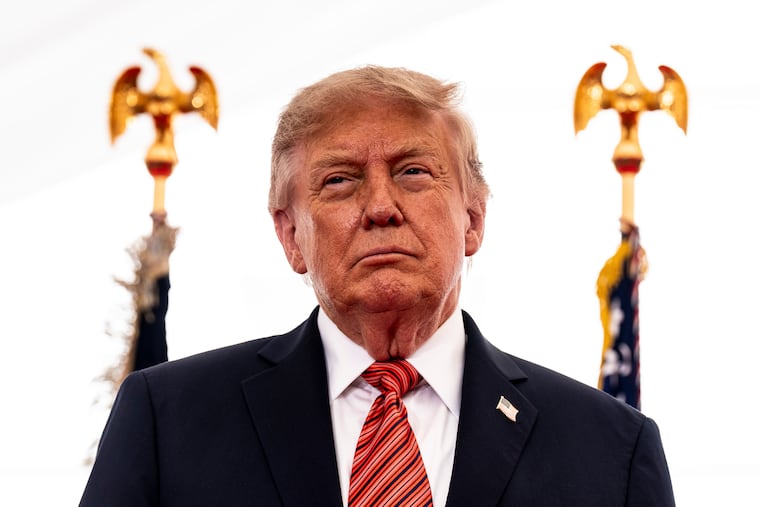
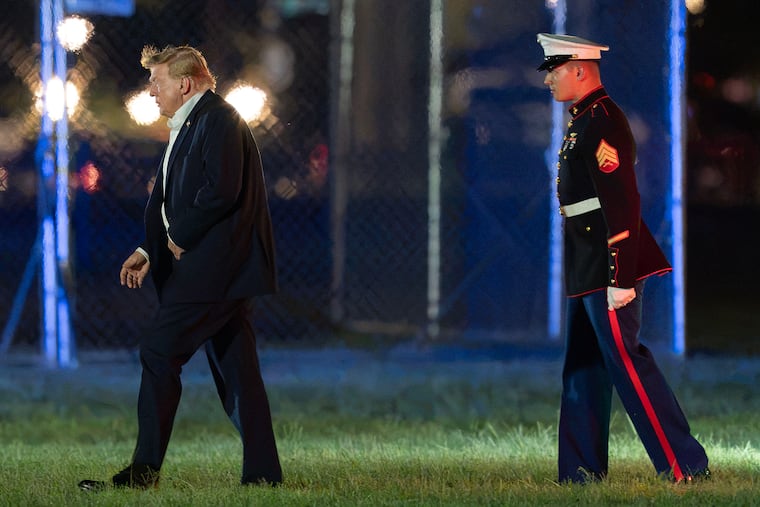
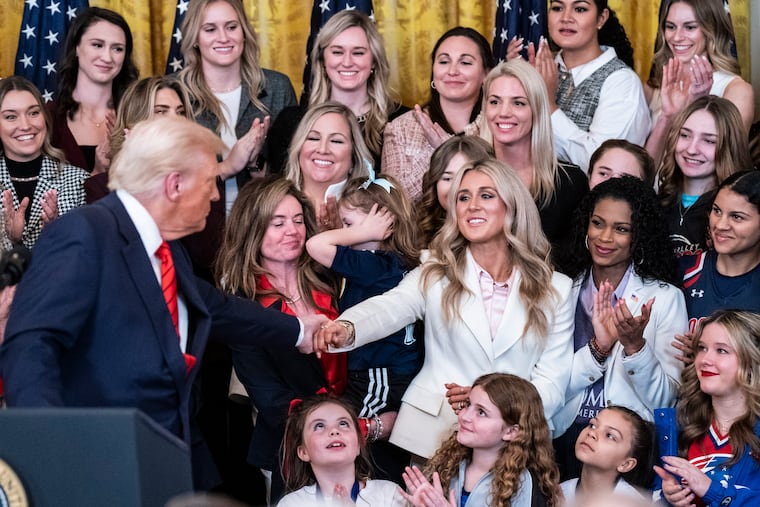
President Donald Trump’s political operation has unleashed its vast financial resources to try to save the Republican Party’s control of Congress, reserving nearly $138 million over the past 10 days to help the party’s midterm candidates.
The planned spending linked to Trump’s $400 million super political action committee has grown by the day and is set to fuel a massive ad campaign supporting battleground Republican candidates beginning this month. Some Republicans for months have criticized Trump’s super PAC, MAGA Inc., for not seriously engaging in the midterms despite its huge war chest.
But now a blitz of spending tied to the group has arrived.
A new super PAC that The New York Times previously reported was linked to MAGA Inc., No Going Back PAC Inc., has booked more than $95 million worth of ads, according to data from AdImpact, a media tracking firm.
Another $27 million worth of ads is slated to come from another new super PAC called Safety and Affordability PAC Inc. The group is financially backed by MAGA Inc., according to two people with knowledge of the matter, who spoke on the condition of anonymity to disclose a confidential arrangement. The group has not yet begun advertising.
The paperwork for No Going Back and Safety and Affordability was filed with the Federal Election Commission six minutes apart by the same treasurer.
So far, Safety and Affordability PAC has appeared to focus on helping House Republicans. It has booked ads in 15 races for the lower chamber. No Going Back PAC, by contrast, has booked two-thirds of its ad reservations on Senate races. And MAGA Inc. itself has booked another $9 million in ads — so far, only in the Texas Senate race.
The three super PACs seem to have essentially carved up the midterm map; so far, their only overlapping advertising spending is in just two House races: New York’s 17th District and Michigan’s 4th District.
In addition to the ad reservations, the super PACs have also spent about $6.5 million on direct-mail efforts and about $80,000 on text messages, according to FEC records. Together, the three groups are slated to spend about $138 million on ads, mail and texts to help Republican candidates in about 50 general-election races, spending the most on Senate contests in Michigan, Ohio and Alaska.
The House races with the most planned spending by the Trump operation are in New York’s 17th District, Florida’s 25th District and Michigan’s 4th District.
Details on the precise financial arrangement between MAGA Inc. and the two newer super PACs remain unknown and could be revealed in future filings with the FEC.
The two newer super PACs appear to be so-called pop-up groups, appearing late in an election cycle and spending heavily before they are legally required to disclose their donors.
The two groups were formed in quick succession on Sept. 1 by Charles Gantt, a Republican political operative who specializes in campaign finance, according to FEC disclosures. Both of the super PACs’ websites are nearly identical in design, down to the same boilerplate text that each group “makes independent expenditures in U.S. federal elections in support of candidates who share the values of the founders and funders” of each group.
Gantt did not immediately respond to a request for comment.
The spending should quiet Republicans who harbored suspicion that Trump’s political group would hold close to its resources for his own political projects. The trio of Trump groups are, together, slated to be the biggest ad spenders in the November elections outside the super PACs tied to congressional leadership, according to AdImpact data.
This article originally appeared in The New York Times.