Senate rejects resolution to halt the Iran war as gas prices upend midterms
This was the 14th time the Senate has considered a war powers resolution, since Trump launched the conflict on Feb. 28.
WASHINGTON — Despite rising political anxiety over the Iran war, senators on Thursday narrowly rejected a war powers resolution seeking to halt President Donald Trump‘s military action, which has been largely blamed for the spike in gas prices and become a flashpoint in the midterm election.
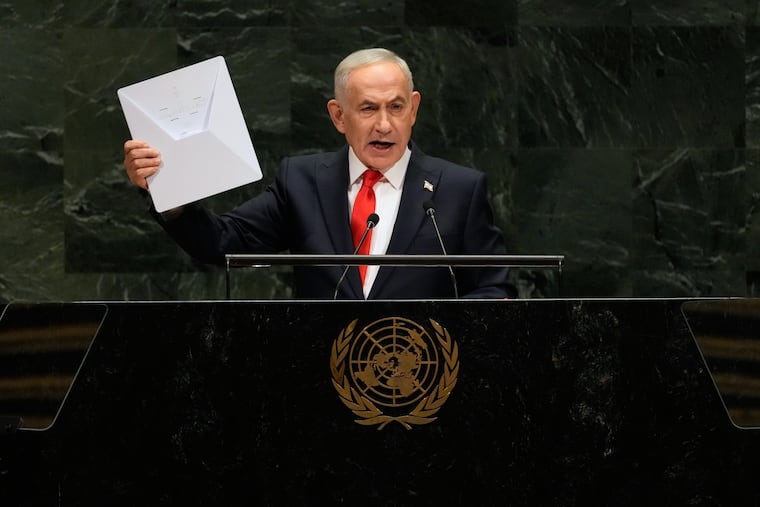
The Senate tally, 49-50, coming days after Trump’s bombastic address to the United Nations in which he threatened to “annihilate” Iran, was likely the last chance for lawmakers to go on record about the war ahead of November. More Republicans are peeling away from the president as the war drags on and as they campaign for control of Congress. The Senate outcome fell short, with four GOP senators joining most Democrats in favor of the resolution.
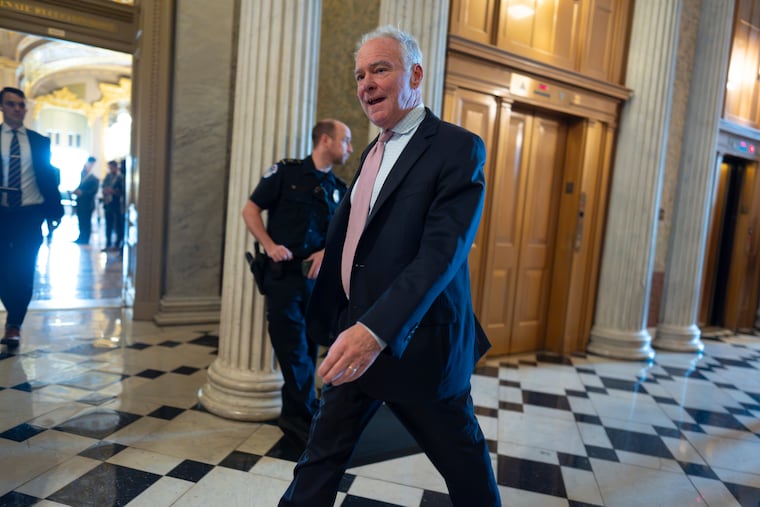
“They have been carrying water for this ridiculous and illegal war for months and months and months and not listening to their constituents,” said Sen. Tim Kaine (D, Va.), who pushed the war powers resolution forward.
About half of rural American voters believe the economy is worse off now than when Trump returned to office, according to a new survey from The Associated Press in partnership with KFF. The costs of groceries, gas, and healthcare rank as top pain points for the rural voters.
“We’ve got to break the cycle,” said Sen. Thom Tillis (R, N.C.), who joined in voting yes.
Republican Sens. Susan Collins of Maine, Lisa Murkowski of Alaska, and Rand Paul of Kentucky also voted for the resolution to end the war, as they have in many previous tallies. Sen. John Fetterman (D., Pa.) voted against.
This was the 14th time the Senate has considered a war powers resolution, since Trump launched the conflict on Feb. 28.
War powers resolutions are largely political statements, without the full force of law, but stand among the sharper tools the House and Senate have to express disapproval of the White House, short of halting funds for Trump’s military actions. As resolutions, they do not go to the president’s desk for his signature.
As gas prices climb, Republicans start to question the war
Republicans in control of Congress have shied away from directly confronting Trump over the war, now stretching past the seven-month mark. But their unrest is surfacing as stubbornly high gas prices leave voters in a cash crunch back home.
Diesel costs, in particular, have almost doubled, topping $6 a gallon, according to AAA.
Just returning from a swing through Iowa, Kansas, and Nebraska stumping for GOP candidates who are suddenly at risk in their elections, Sen. John Kennedy of Louisiana called on Trump to hold a prime-time address to the nation to explain the Iran war strategy and the end game.
“People are confused about the war and upset about the cost of living,” he said.
But he and others were not yet ready to vote against the war.
“My own view is that the focus right now needs to be on attacking the cost-of-living issues,” said Sen. Josh Hawley (R, Mo.) who opposes the war powers resolution and believes the president is acting within his authority to conduct the military action.
House Democratic Leader Hakeem Jeffries scoffed at the handful of Republicans now trying to distance themselves from what he called Trump’s failed economy. “Now all of a sudden they’re waking up,” he said.
Democrats keep pushing war powers votes in Congress
Earlier this month, the House for a third time approved a war powers resolution, this time with seven Republicans joining the Democrats, including two from battleground Iowa, Rep. Zach Nunn and Rep. Mariannette Miller Meeks, where affordability issues among rural voters are dominating the campaigns.
Senators, though, have rarely been able to confront Trump by passing a war powers resolution.
In June, the Senate approved a war powers resolution after four GOP senators joined Democrats, but Republicans abruptly reversed course the next day after Trump berated them during a private lunch over the outcome.
At the time, Sen. Bill Cassidy of Louisiana, stood up to defend his vote only to end up in a shouting match with Trump. He later switched to oppose the war powers resolution after receiving a personal briefing from the White House.
Thursday’s vote was on a resolution that had passed the House in July with GOP support. Rep. Pramila Jayapal, D-Wash., who authored the House resolution, said the Senate outcome was “a slap in the face to the millions of American people who want this war to end.”
Other options to halt the Iran war
As the war drags on, costing $43.5 billion so far, Congress is also seeking other ways to force Trump to rethink his military strategy in Iran.
Rep. Thomas Massie, the renegade Republican from Kentucky, pushed forward articles of impeachment against Secretary of Defense Pete Hegseth before the GOP leadership abruptly adjourned the House and sent lawmakers home to campaign for the election, avoiding any potential vote on the matter.
Lawmakers also have the power of the purse to curtail military spending, something Republicans have been reluctant to do but Democrats are sure to tackle if they win power in the midterm election. The White House’s request for an additional $87.6 billion funding package for the war and other needs has idled in Congress.
First created in the aftermath of the Vietnam War as a way to hold a president accountable for military actions, the war powers act has long posed a test of the balance of power between the executive and legislative branches of government.
While the Constitution says only Congress can declare war, the president as commander-in-chief is also able to engage the military. The war powers act seeks to provide clarity by requiring the president, within 60 days of any such action, to seek approval — or risk disapproval — from Congress.