Drexel wants to sell the Academy of Natural Sciences museum. A Council bill could restrict its redevelopment.
If the bill from Councilmember Jeffery Young Jr. passes, it will make it much harder to convert the museum building to a new use.
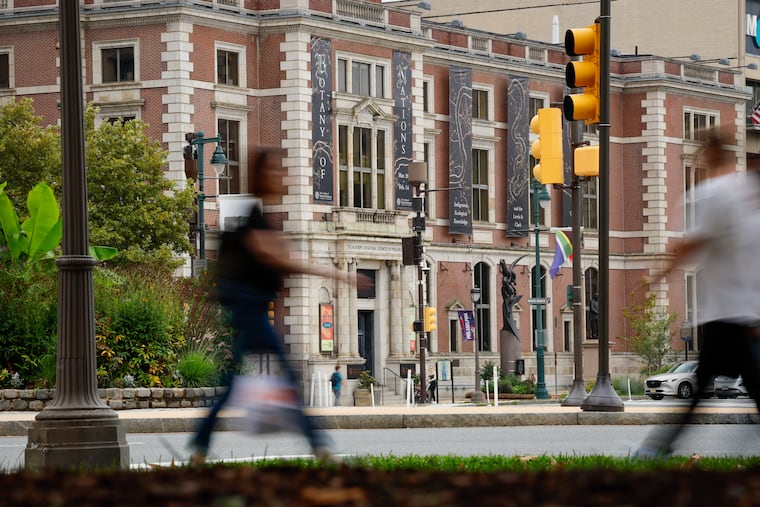
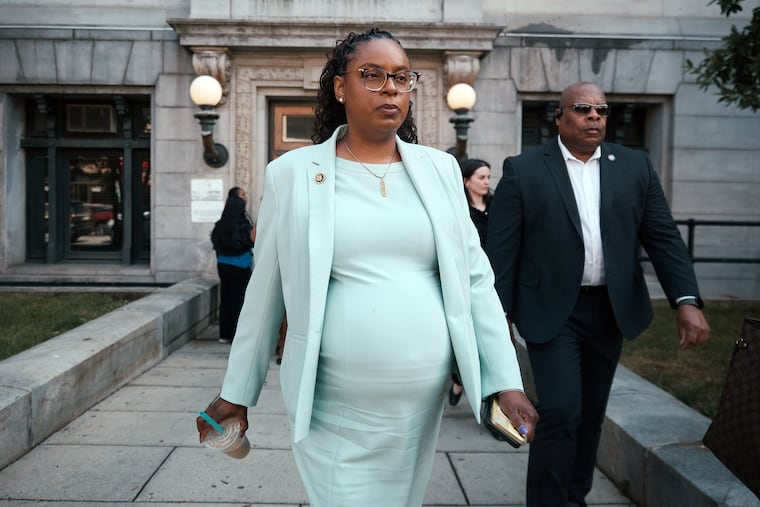
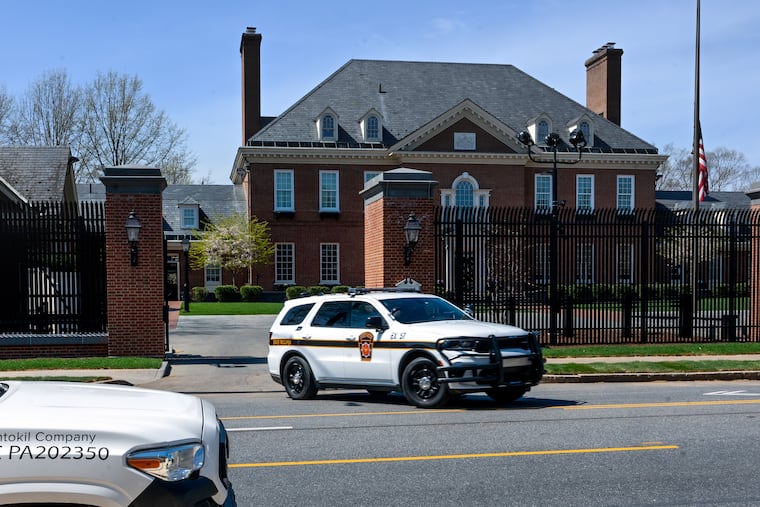
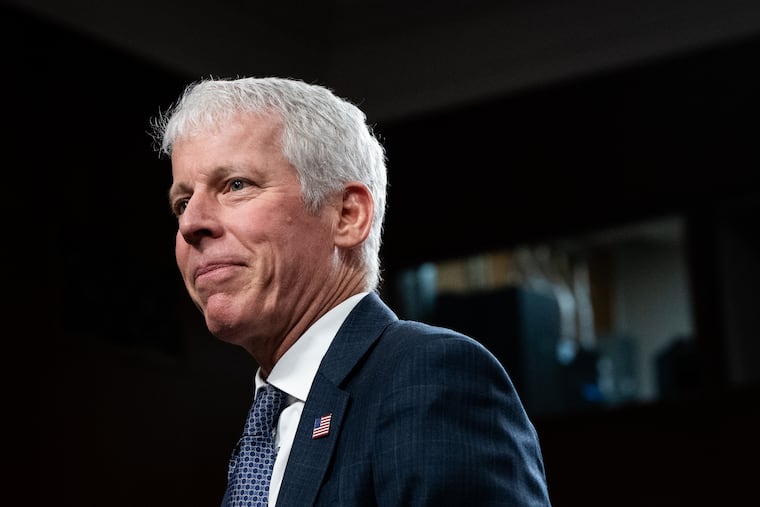
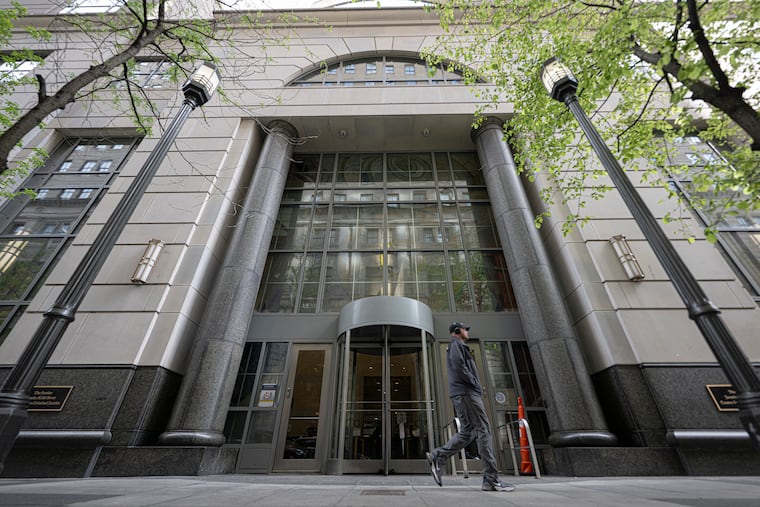
A new zoning bill by City Councilmember Jeffery Young Jr. would restrict the redevelopment potential of the Academy of Natural Sciences museum after Drexel University this month announced plans to shutter the centuries-old institution.
Young, whose 5th District includes the museum property on the Benjamin Franklin Parkway, introduced the ordinance at Thursday’s Council session.
It would limit the allowed uses of the property and others around it to a specified list of categories, including hospitals, government uses, libraries and cultural exhibits, and “community-supported” farms.
Under Young’s legislation, residential and commercial uses would not be allowed. The property is currently zoned to allow multifamily residential development, unlike the other museums on the Parkway.
Young said his legislation would simply change the museum’s zoning to reflect what has long been on the site.
“It’s always been a cultural and civic use, so [my bill] would match the land use with the actual zoning to allow only cultural and civic type uses,” Young said. “But it wouldn’t prevent the academy from closing.”
Drexel did not immediately offer comment on Young’s legislation.
If the bill passes, it will make it much harder to convert the building to a new use. The owner would need to secure a variance from the Zoning Board of Adjustment, an often lengthy and costly process with no guarantee of success.
During that process, any prospective developer would also be required to meet with community groups in advance of a zoning board hearing.
Young said the purpose of his bill is to allow “the community some input on a site that has been a cultural use for centuries.”
Instead of changing the property’s zoning to match those of neighboring museums and libraries, Young has proposed adding the restrictions to what’s known as a zoning overlay — a kind of hyperlocal patch of the code — that covers his district and allows him to precisely describe what he wants to restrict and allow.
Young said he is also considering changing the underlying zoning to match that of the Philadelphia Museum of Art, the Barnes Foundation, and other cultural institutions on the Parkway.
“We are looking to do that, but the issue is that the Planning Commission doesn’t work for me and so they’re not on my time,” Young said. “Ultimately, we had to do what we could do from our office’s standpoint.”
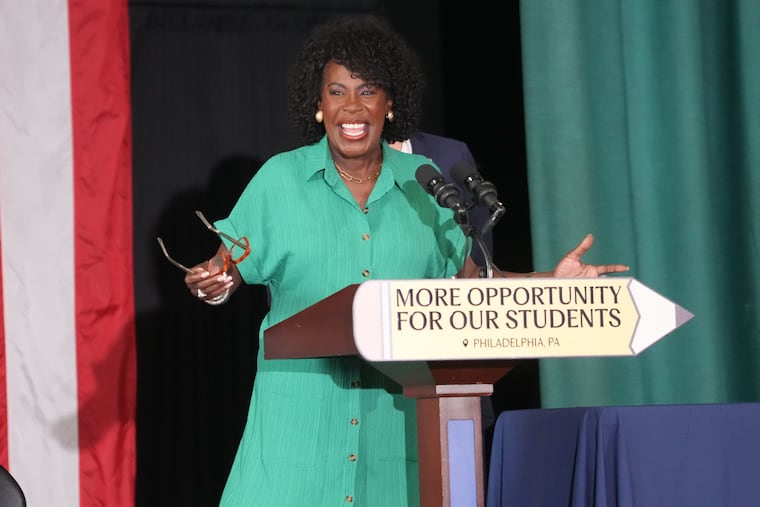
To become law, the bill would need to be approved first in the Committee on Rules and then by the full Council before heading to Mayor Cherelle L. Parker’s desk.
If Young pushes forward, the bill is likely to pass in Council thanks to a practice known as councilmanic prerogative, in which the rest of Council defaults to the wishes of the Council member whose district includes a property when it comes to land use decisions.
Young, whose district includes parts of Center City and much of North Philadelphia, has abandoned zoning legislation that stirred controversy in the past, such as a housing ban around the former Hahnemann University Hospital campus.
But the closure of the Academy of Natural Sciences is unpopular, and the new legislation is likely to have broad-based support from Council members.
If enacted, the bill would take effect immediately.
A surprise closure
Founded in 1812, the Academy of Natural Sciences is the oldest institution of its kind in the nation, and its museum, which opened in 1828, is the country’s oldest natural history research museum. It houses 19 million biological specimens including bones, carcasses, and plants.
Drexel announced earlier this month that it was closing the museum effective Sept. 27, citing a decrease in attendance since the COVID-19 pandemic and the university’s financial woes. The decision caused an immediate uproar, including a protest on the Parkway attended by hundreds.
Young quickly said his office was considering zoning changes to discourage redevelopment of the building.
The university has said the academy’s research would continue at a different location, and its collections would be maintained. But the landmark museum on the Parkway, which opened in 1876, would be sold.
After the announcement, Deputy Mayor Patricia Wellenbach, a top official in Parker’s administration, was named the academy’s temporarily leader, serving as senior adviser while on loan from the city.
Young and other members of Council have been attending rallies against the closure.
“This academy has been there for over 200 years, it’s dedicated to civic and cultural education, to science,” Young said in a speech during Thursday’s meeting. “If we take that away, how will our kids learn?”