In letter to cousin RFK Jr., health advocate warns of threats to disability care
Tim Shriver, who leads the Special Olympics, wrote that a recent DOJ memo and coming cuts to Medicaid could harm people with disabilities.
In a letter to Health Secretary Robert F. Kennedy Jr. and acting attorney general Todd Blanche, the chairperson of the Special Olympics — who is also Kennedy’s cousin — called on the administration to reverse course on a Justice Department memorandum that could narrow federal protections for disability care.
The letter by Tim Shriver joins a recent outcry from lawmakers and disability advocates who have warned that the June memo, which called for reinterpreting a key Supreme Court ruling on disability rights, could shrink access to home- and community-based care services that hundreds of thousands of Americans with disabilities rely on to receive care without being placed in institutions — a cause that members of the Kennedy family have supported throughout their political careers.
“This is something that is in some ways the central passion of our family,” Shriver told the Washington Post. “And I hope and believe that Secretary Kennedy understands that.”
The Health and Human Services Department and Justice Department did not provide a comment by the time of this article’s publication.
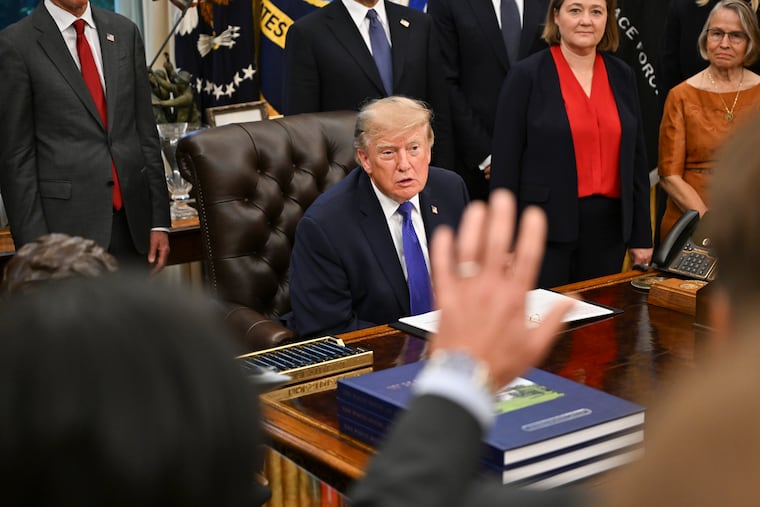
The memo comes as patients and caregivers brace for Medicaid cuts from President Donald Trump’s tax bill, which are also expected to hamper disability services.
“Many people with intellectual and developmental disabilities are already worried about whether the Medicaid-funded supports and services they rely on will be there in the future,” Shriver wrote in the letter sent to Kennedy and Blanche last week and shared with the Post.
Shriver, a longtime disability rights activist, said he sent the letter in his personal capacity. He has led the Special Olympics, which organizes sporting competitions for children and adults with intellectual disabilities, since 1996.
The Justice Department memo, issued in mid-June by its Office of Legal Counsel, argued for a looser reading of the Supreme Court’s 1999 decision in Olmstead v. L.C., viewed as a landmark case for disability rights. The Supreme Court ruled that it was discriminatory to institutionalize people with disabilities when they can and want to receive community-based services instead.
“Olmstead is what created the tools to require states to provide community-based services,” said Alison Barkoff, a professor of health law and policy at George Washington University and a former HHS administrator during the Biden Administration.
Advocates argue that those services can be more cost-effective than institutional care and better enable people with disabilities to work and remain connected with their families and communities. Around 4.5 million Medicaid enrollees receive home- and community-based care, and hundreds of thousands more are on waitlists for the services each year, health policy research organization KFF estimated in 2024.
“These programs are the difference between a full life and … tragic mental illness, loneliness, depression, isolation, humiliation,” Shriver told the Post.
The Kennedy family has been closely involved in efforts to promote disability rights. President John F. Kennedy signed a major mental health bill in 1963 while in office and alongside Sen. Robert F. Kennedy — the health secretary’s father — pushed to shift disability care away from institutionalization and toward community-based services. Eunice Kennedy Shriver, a sister of President Kennedy and Tim Shriver’s mother, founded the Special Olympics.
The Trump administration has scrutinized home- and community-based services for fraud and argued that some states poorly oversee their home-based care programs. Advocates are also concerned that states newly strained by cuts to Medicaid could slash support for home- and community-based services.
The Justice Department memo would make it easier for states to do that, opponents have said. It argued that Olmstead does not require states to provide home- and community-based care for people with disabilities and that the federal government is not authorized to enforce such a mandate. It conceded that such an opinion is “out of step with the common understanding of that decision within the federal courts.”
Groups including the American Civil Liberties Union, American Association of People with Disabilities, and Center for Public Representation denounced the Justice Department’s position. Democrats in Congress urged the department to rescind the memo.
While the Justice Department’s opinion doesn’t change the law, it could indicate that the department will step back from enforcing Olmstead, advocates said.
“It provides a signal that the Department of Justice and the U.S. Department of Health and Human Services are stepping back from that commitment to community integration,” said Lydia Dawson, the vice president of government relations for ANCOR, a national association of private community providers.
Shriver said the Trump administration’s stance threatened decades of hard-fought progress for disability care.
“I am hopeful that you will help ensure that our country continues moving forward rather than backward on the promise of inclusion,” he wrote to Kennedy and Blanche.