Washington Square West Historic District overturned by a judge for a second time
The Philadelphia Historical Commission usually beats appeals of its determinations. In the case of Washington Square West historic district, a Philadelphia Common Pleas judge wasn't convinced.
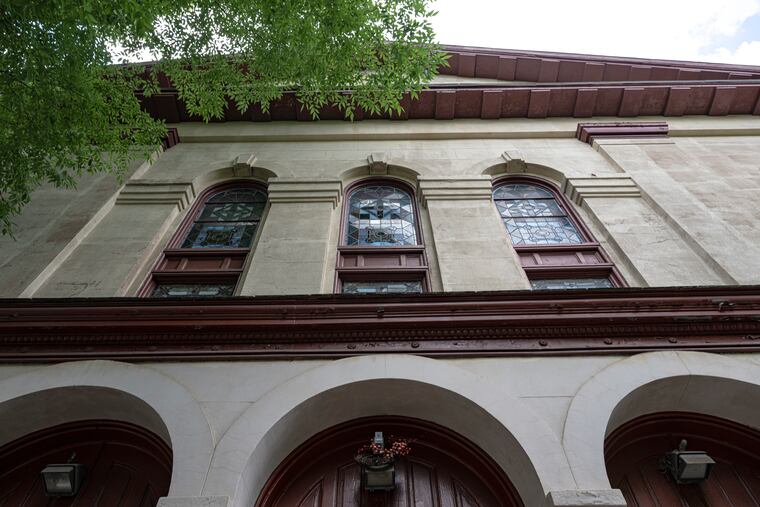
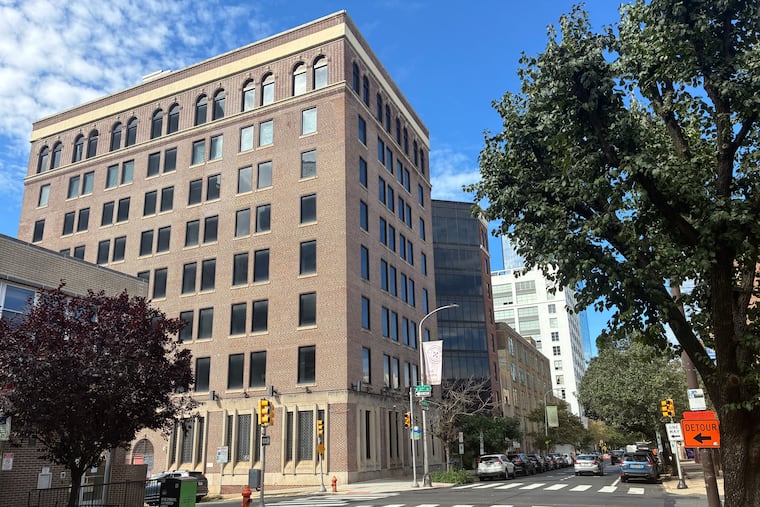
A Philadelphia judge has overturned the designation of 1,441 properties in Center City as a historic district for a second time.
The 2024 approval of the Washington Square West Historic District was not supported by “substantial evidence” because the impacted properties are not “united by past events, plan or physical development,” Philadelphia Common Pleas Judge Christopher Hall wrote in the Wednesday order.
The designation was unpopular, Hall noted, with testimony showing that 85% of Washington Square West residents opposed the designation.
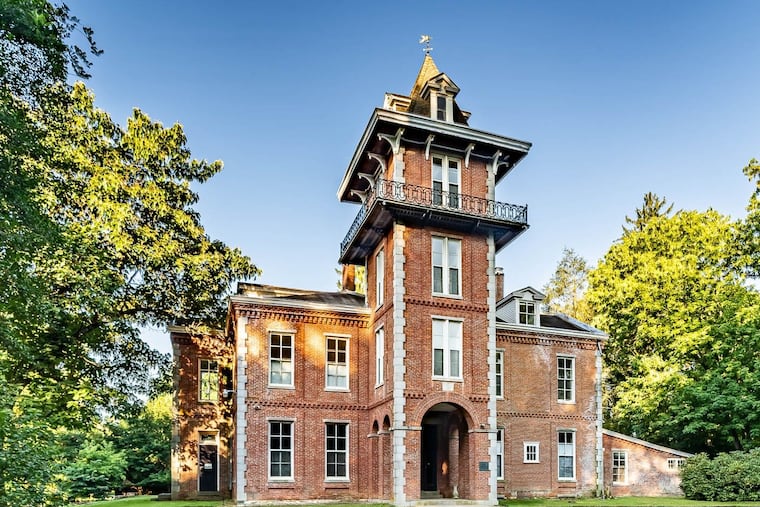
The historic district was the largest approved in decades and covers properties built between 1740 and 1985.
Hall’s ruling is specific to Washington Square West and will have no impact on existing historic districts, according to Daniel Auerbach, an attorney representing the district’s opponents.
The city declined to comment.
Paul Steinke, executive director of the Preservation Alliance for Greater Philadelphia, the organization that nominated Washington Square West for the designation, said in a statement that he appreciates Hall’s careful consideration but is disappointed with the decision.
“Washington Square West is one of Philadelphia’s most historically and culturally significant neighborhoods, and its designation is supported by a deep historical record and a careful public process,” Steinke said. “The district tells important stories about Philadelphia’s architectural development, LGBTQ+ history, Black history and civic life. Those stories deserve to be recognized and protected.”
The Washington Square West Civic Association, which also supported the nomination, did not respond to a request for comment.
The opposition to the Washington Square West Historic District has been helmed by residents Jonathan Hessney, Colin Murphy, and Joshua Zugerman, who argued that historic regulations are costly to property owners. Along with other residents, they appealed the Philadelphia Historical Commission’s designation in 2024.
The commission relied only on the Preservation Alliance for Greater Philadelphia’s nomination papers in making its determination, the residents argued in court records, without any outside testimony or evidence that the nearly 1,500 properties share a historic tie.
The lack of probing by the commission is especially problematic because a Historical Commission member, Emily Cooperman, was improperly involved to assist in drafting the nomination, the residents said in court filings.
“She represented a private party in litigation before the tribunal on which she served,” Auerbach wrote in the filing. “Nothing about the Historical Commission’s regulations say that is OK.”
Cooperman was involved in a 2009 effort to nominate the area for historic designation before joining the commission and was paid a small fee to update that submission, she previously told The Inquirer.
The Preservation Alliance accused the residents in court filings of “hysteria” surrounding Cooperman’s involvement. The commissioner disclosed her involvement and recused herself from voting on the designation.
In addition, the commission reviewed the 1,482 pages of the nomination, which contained “comprehensive historical analysis” of the properties, and staffers studied the proposed district, according to court records.
“The nomination itself, together with the staff review, constituted the evidentiary basis for the commission’s findings,” the Preservation Alliance said in a brief to the court.
Hall explained his ruling in a page-long footnote to his order, in which he said information such as when a property was built and its historic function was missing for buildings “more often than not.”
The commission also didn’t hear testimony from any staffer who reviewed the nomination, Hall said.
“We are pleased that the court confirmed its prior decision,” Auerbach said. “The Preservation Alliance’s arguments lacked merit, mischaracterized Pennsylvania law, and mischaracterized the facts.”
The Historical Commission usually wins these type of appeals. But in the case of Washington Square West, Hall overruled the commission once before in March.
The city appealed that decision to the Commonwealth Court, which is the statewide court that handles government-related cases. But after the Preservation Alliance filed a motion to intervene in the case, Hall vacated his previous order, rendering the appeal moot.
The city and the Preservation Alliance have the option to appeal the ruling to Commonwealth Court.
An appeal by the city would automatically pause Hall’s order, Auerbach said, and the Washington Square West Historic District would remain in place while the litigation unfolds.
Staff writer Jake Blumgart contributed to this article.