AARP is advocating for seniors in Mayor Parker’s housing initiative
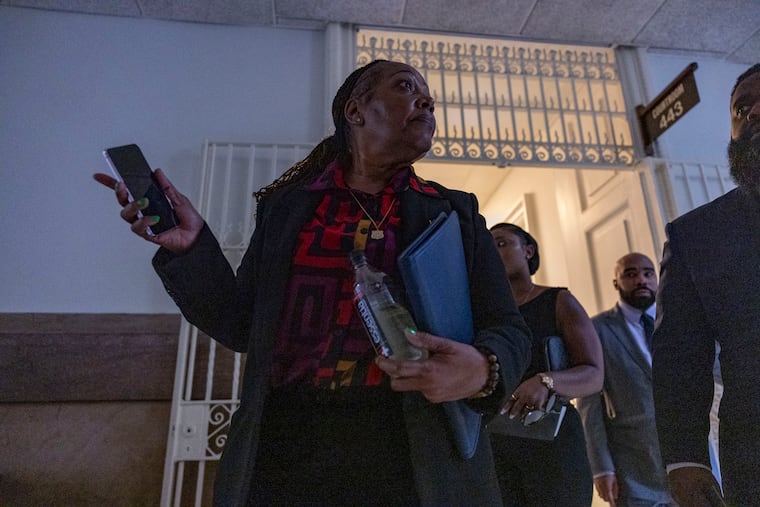
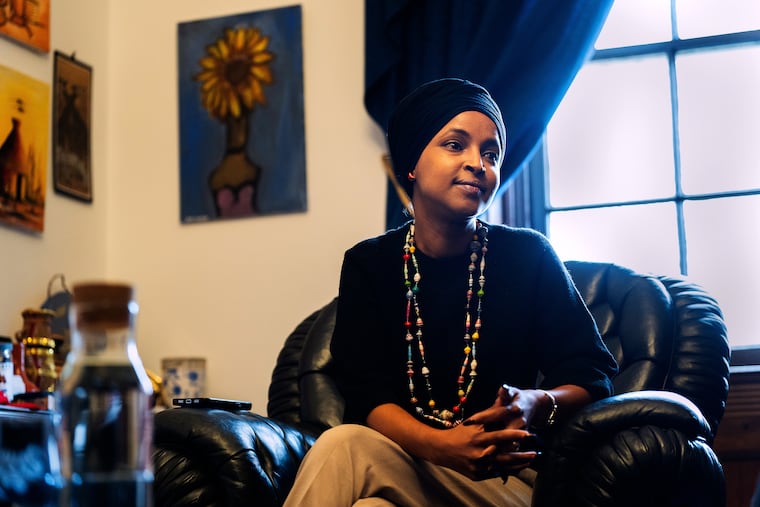
By 2030, one in three Pennsylvanians are expected to be over 60 years old. “When we talk about the demographic changes, there’s an urgency,” said AARP CEO Myechia Minter-Jordan.
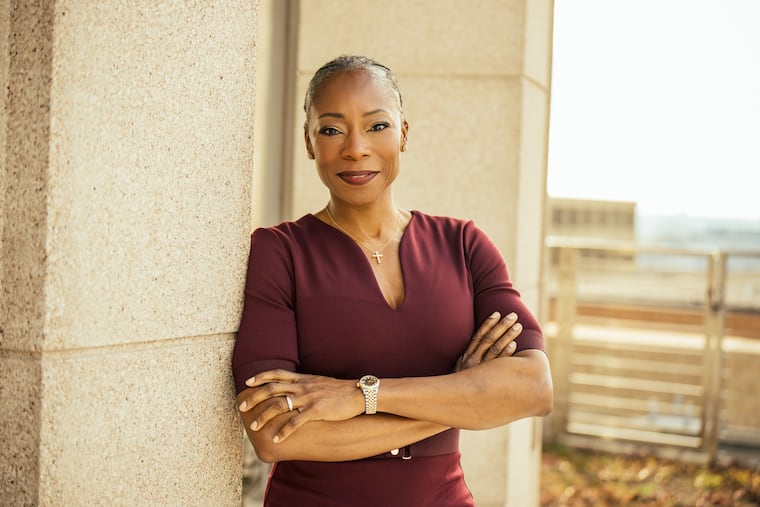
Across the country, people are living longer, and the population of older residents is growing.
About a quarter of Pennsylvanians are over 60. And by 2030, that share is expected to grow to one-third, according to the national nonprofit AARP.
“When we talk about the demographic changes, there’s an urgency,” said CEO Myechia Minter-Jordan. “It’s not something that’s happening in the future. It’s something that’s happening now.”
AARP represents more than 125 million Americans who are 50 and older and seeks to “empower people to choose how they live as they age,” Minter-Jordan said.
She talked with The Inquirer about housing affordability, accessory dwelling units, and the importance of people having choices as they age.
“I always say aging is living, and it’s not something that’s relegated to the time you turn 50,” Minter-Jordan said. “It’s important for us to rethink the way that we characterize aging and understand that these issues impact all of us.”
This interview has been edited for length and clarity.
AARP research found that three-quarters of adults 50 and older want to stay in their current home and in their communities as long as possible. What needs to happen to make that possible?
We all want choice, no matter what age. Aging in place can look like a number of different things.
We hear a lot, particularly in the caregiving community, about intergenerational households.
It could mean having an ADU [accessory dwelling unit] on your property that would allow you to have an older individual or a loved one, no matter age, live with you on your property, if you’re able to make that choice.
We have folks that say, “Well, I want to stay in my home, but I want to make sure that it’s safe for me.” And so that’s where the HomeFit program comes into play, where we train individuals to go into homes and make sure that they’re safe environments for people to age in place within.
The biggest part is the importance of social connection … [and] remaining connected in my community. Whether that’s by retrofitting my home so that I can age in place, finding a smaller home or less expensive home within my community that I can move into, having others move into the home with me so that I can afford to stay and then also be closer to relatives.
It’s all about choice at the end of the day.
Are older adults still interested in downsizing?
When some folks talk about downsizing, it’s also with safety in mind and a smaller place that doesn’t have as many stairs.
A lot of decisions are based on your ability to afford them. There are some individuals that would like to be able to downsize, but it’s hard for them to afford another smaller home within their own community.
You have renters who are not able to, with escalating costs, find another apartment that’s comparable in cost, particularly if they’re in a situation where that rent is stabilized.
You have homeowners who have a home that may or may not have appreciated, depending upon the market. Or they have loans that they’ve taken out on their home to help children in college, or to help grandchildren, and you have that economic burden there.
It really depends on the circumstances within that community; the affordability issues within that community; the housing prices, whether or not they’ve appreciated or depreciated; if you have outstanding debt on your home, how you manage that.
There are a number of competing priorities that can influence whether or not you can move out of your home and downsize.
What are some of the barriers keeping people from making the choices they want to make as they age?
The biggest thing we’re hearing being a barrier is affordability.
There are all sorts of issues around “What does it take for me to make sure that my home is safe?” If you have stairs, and you need to put in some technology that will help you be able to traverse those stairs safely, what will that cost?
There’s a balance with all of the healthcare costs that people have to afford and just the daily living costs: groceries, utilities, all of those things.
So when people are making these decisions, there’s so many things that they have to consider around how I can manage to have these choices, knowing the different competing priorities.
Where does housing affordability rank among older adults’ priorities?
Housing affordability is one of the top issues here in Pennsylvania.
[Another] significant area of focus is around retirement savings. And PhillySaves [a new city program that helps workers save for retirement] is one of the incredible achievements of the [AARP] team here in collaboration with a number of key legislators and other groups.
And those things are interrelated. You won’t be able to afford having choice if you don’t have retirement savings as you’re balancing all these competing priorities.
Also, family caregiving. One of the things that many of us don’t plan for as we age is the potential role that we might need to play as a caregiver or one in need of caregiving. And so that also impacts the financial situation for many older adults and their families.
All of these things are interrelated. [They] influence our ability to choose and the choices that we make about downsizing, or maybe needing to maintain a home that has more space because we have to bring a loved one in.
How do older adults say they want to use ADUs?
Certainly being able to have that space for a loved one for caregiving. Or being able to move into that space as you age.
And it could mean an additional source of income that could keep someone in their home. A Pennsylvania woman had an ADU on her property that she wanted to rent out as a means of income. And she had been told that she wasn’t able to do that. And one of the ways in which AARP stepped in was to say, here are the emails and numbers of your legislators that you can call to advocate for yourself.
We have advanced legislation around accessory dwelling units. And we need to ensure that continues to push forward. It’s just one tool in the toolbox that can help some of the housing issues that we’re currently facing.
» READ MORE: The ‘demand is real’ for backyard cottages, in-law suites, and other ADUs, says a Philly-area builder
What do you see as AARP’s role in Mayor Cherelle L. Parker’s housing initiative, which aims to build or preserve 30,000 homes?
Being able to amplify that work, always ensuring that there’s a lens on aging as we think about housing.
Designated senior housing, housing that is safe for seniors, housing that may be intergenerational. These are all things that are really important. The ability to maintain those homes that have not had the level of maintenance because of affordability issues and resources.
It will require the collaboration of many community groups, and AARP is at the ready to be a partner in that work.
One of the areas where AARP has always had a lot of success is taking proposed policy, bringing it to the community, and gut checking it against the community’s priorities. And from our research, we can certainly help bring best practices from around the country. We can be a resource to the administration.