A South Jersey wildlife refuge cares for thousands of animals each year. For the first time, it now has a full-time vet.
Amanda Cameron, a wildlife veterinarian from Massachusetts, recently became Woodford Cedar Run's first staff veterinarian since it opened in 1957.
In its 69 years as a wildlife refuge, Woodford Cedar Run in Medford has never had a staff veterinarian to care for the thousands of animals that come through its doors annually.
The Burlington County rehabilitation center isn’t alone. Mike O’Malley, Cedar Run’s executive director, said he doesn’t know of any New Jersey wildlife refuges with staff vets. The shortage is a money problem.
Yet less than two weeks ago, Amanda Cameron joined Cedar Run as one of very few full-time wildlife veterinarians in the tristate area. O’Malley said he hopes Cameron’s hiring will improve Cedar Run’s patient survival rates.
“These animals are experiencing some of the most intense traumas you can imagine,” O’Malley said. “This will allow us to take on really complex cases and advance the care we’re providing to all of the animals.”
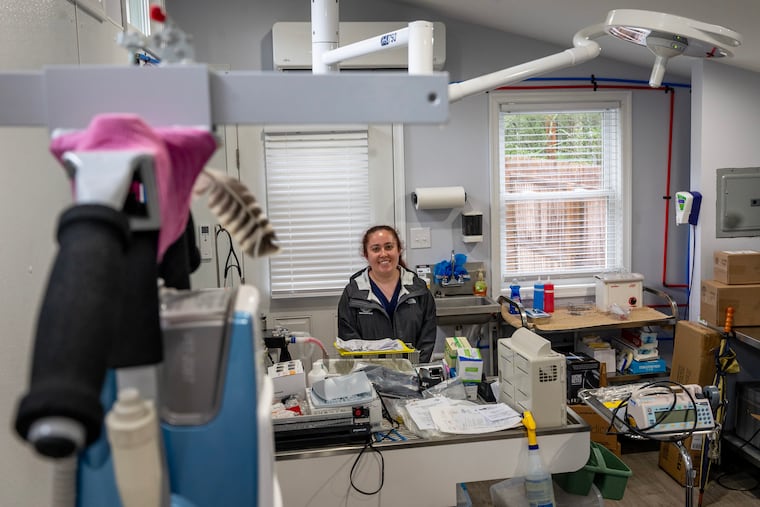
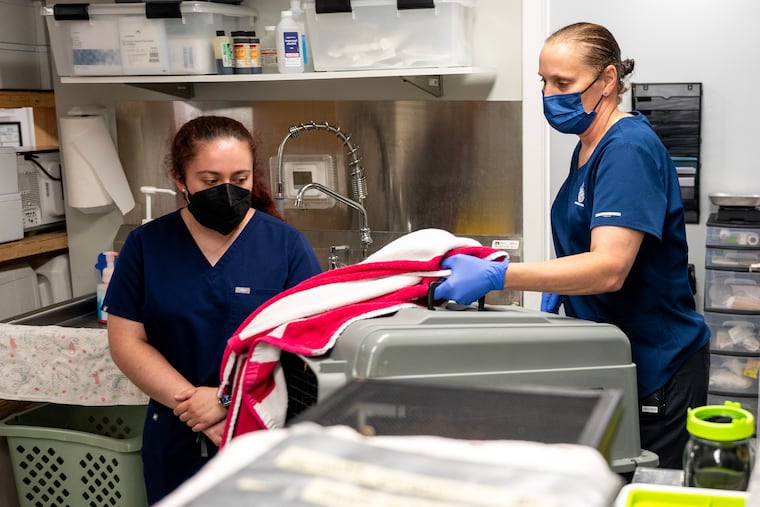
Cameron, 27 and a Massachusetts native, doesn’t yet have a fully operational space to do exams and procedures on the 8,000 birds, raccoons, rabbits, turtles, and more that cycle through Cedar Run annually. Her main responsibility right now is ordering a laundry list of supplies to furnish a medical suite that has sat half-finished for years in the hopes that Cedar Run would someday have a doctor to use it.
On Monday, items awaited sorting in the small clinic. And while Cameron has mostly been on desk duty, she’s already managed to get her hands on a few cases.
In rain boots and scrubs, Cameron reached across the X-ray table to show the fractured wing of a red-tailed hawk. He’s not out of the woods yet, she said, but he’s on the right track. To survive in the wild, the wings of raptors need to be close to perfect.
“Fortunately that is not surgical,“ Cameron said. ”So we’ve been able to just wrap them and give them some time with pain meds, and he’s doing really well."
‘Not just today’
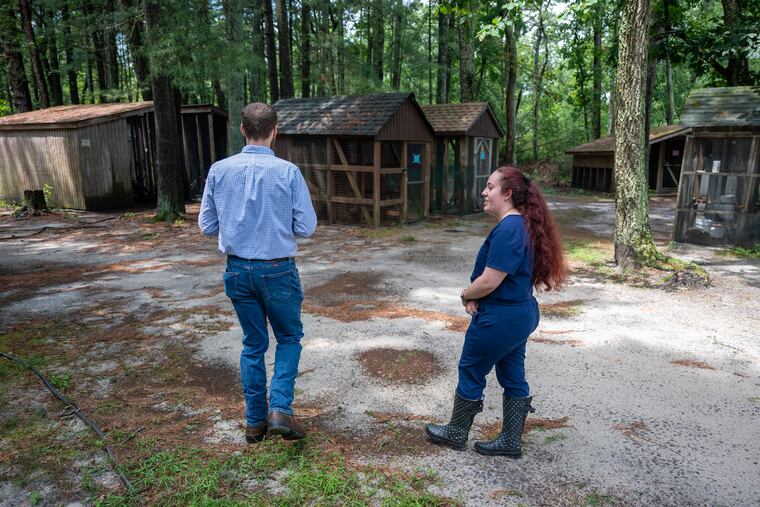
Nonprofit wildlife centers often can’t afford to pay the salary of a full-time doctor, O’Malley said, nor buy expensive equipment to support them. Wildlife rehabs already have to foot the bill for the animals’ medical expenses since they don’t have owners to pay them. Plus, Cedar Run maintains 171 preserved acres in the Pinelands and pays to offer wildlife education services to the public.
About 18 licensed wildlife rehabilitators serve New Jersey, and most specialize in a limited number of species. Only three are located in South Jersey, and O’Malley said Cedar Run is the tristate area’s “biggest and busiest.”
In 2025, Cedar Run spent $710,000 on wildlife rehabilitation-related expenses, $172,000 more than the previous year, according to a 2025 audit provided to The Inquirer by O’Malley. Total salaries and wages were nearly $850,000, and O’Malley said the addition of Cameron will cost the center six figures annually. He declined to share the exact number, but said the cost to the nonprofit is “nothing to sneeze at.”
Enjoyed this story?
Get more South Jersey news on your homepage with one click.
To support Cameron’s salary, Cedar Run will have to keep a steady fundraising pace, but O’Malley said that shouldn’t be a problem with donor support and creative revenue streams, like hosting weddings.
“We feel confident and able to raise the resources needed, not just today but tomorrow,” O’Malley said.
Last year, Cedar Run earned $1.7 million in contributions, grants, and donations, a $780,000 boost from 2024.
Rather than hiring full-time vets, places like Cedar Run typically outsource their medical needs through volunteer doctors, or transport animals to exotics vets nearby. Cedar Run partners with Animal & Bird Health Care Center in Cherry Hill, along with Rancocas Veterinary Associates in Mount Laurel and Rowan University’s new Shreiber School of Veterinary Medicine.
But the extra stress from transport creates unnecessary risk, Cameron said. Some species, like rabbits, can’t handle loud noises. Other animals can injure themselves in panic.
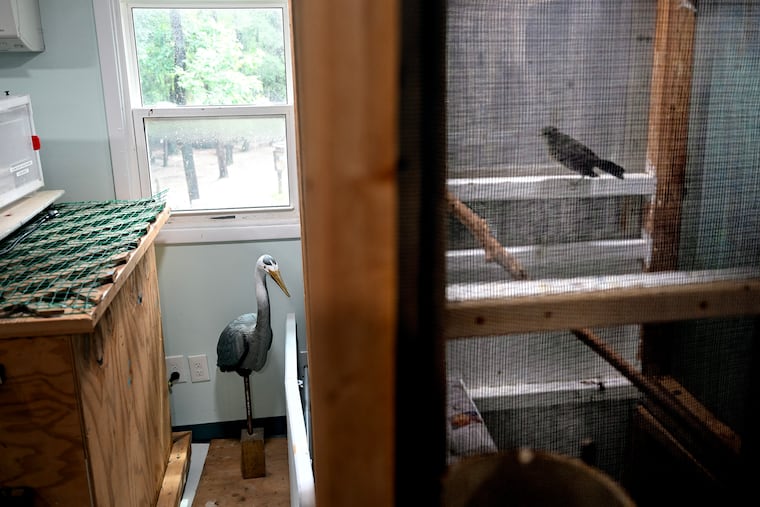
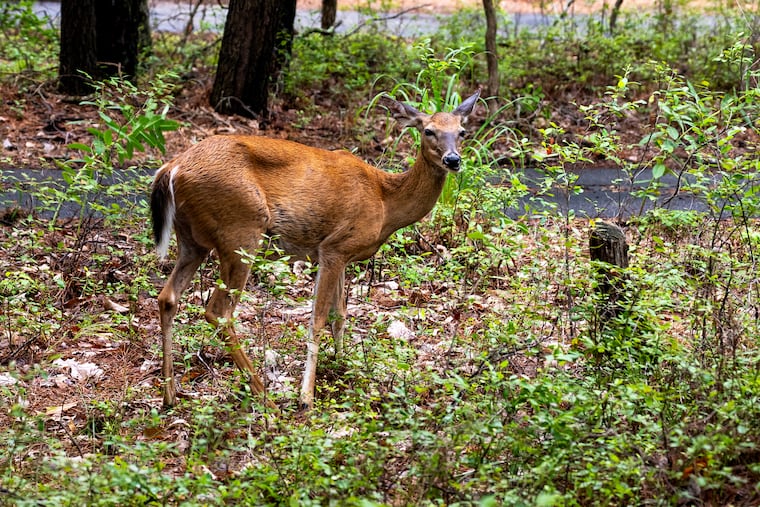
The rehabilitation center takes in almost any wildlife native to New Jersey, aside from black bears and domestic animals. When Jersey residents find an injured raptor, rabbit, or raccoon, Cedar Run’s 12 staff members and more than 200 volunteers do their best to make sure they are treated and released back into their native environments.
Success is not easy to define. About 20% to 30% of all patients brought to Cedar Run survive, O’Malley said, a statistic exacerbated by bird flu and the fact that many animals brought to the center have endured traumatic incidents.
Unlike domestic veterinarians, Cameron is not providing annual checkups, diabetes treatments, or allergy medications to her patients.
“These animals are getting severed by lawnmowers. They’re getting poisoned. ... If you remove those animals that need immediate euthanasia off the top, we’re more like 50%, which is obviously much better,” O’Malley said. “So there’s a lot of nuance.”
‘Now we can do this’
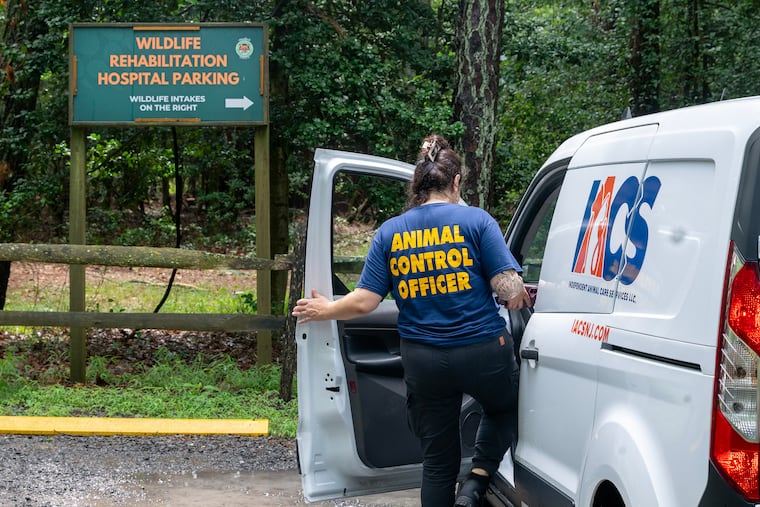
Lori Swanson, director of wildlife rehabilitation, has worked at Cedar Run for more than 20 years. On Monday, Swanson stepped out of a fishy-smelling hospital to greet Cameron. Volunteers were preparing fresh seafood in the hospital kitchen for their patients, donated by an intern’s dad.
“Heather is in there with an opossum,” Swanson said. “Which you’ll need to look at.”
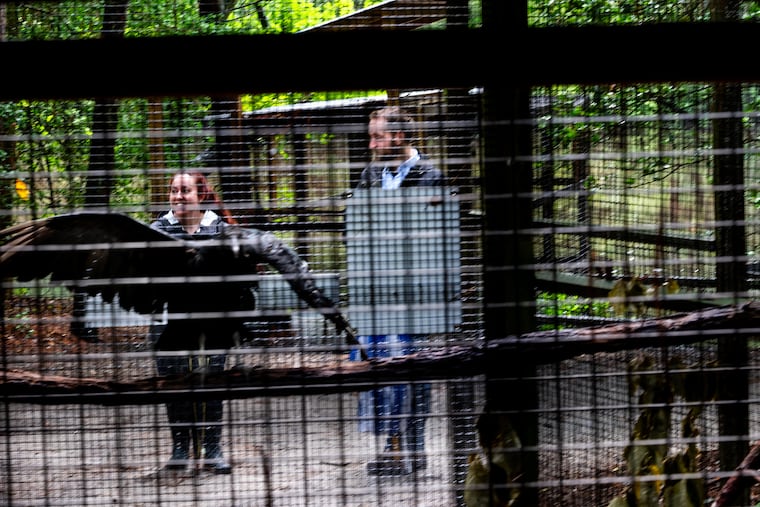
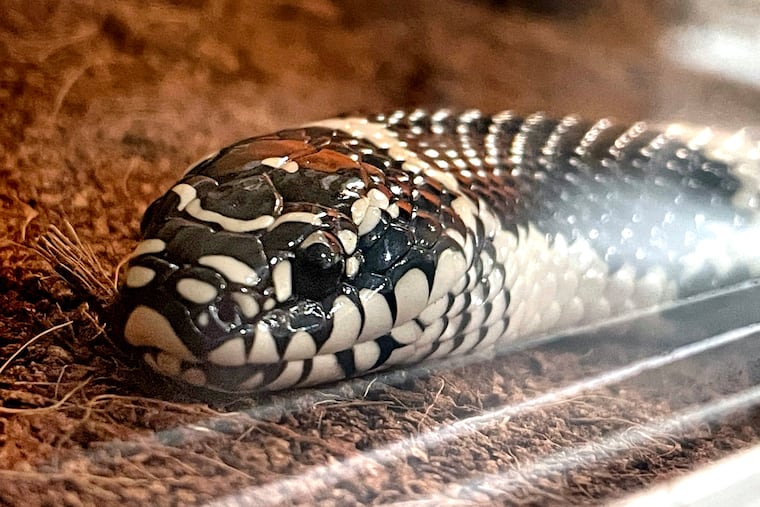
As the only veterinarian on-site, Cameron will care for a variety of species with a vast range of traumas, from broken bones to blindness, along with helping to manage the health concerns of Cedar Run’s 60 nonreleasable residents. Cameron has already taken a first look at a resident skunk with heart disease, and a resident red fox with a cloudy eye.
When the Shreiber School’s first round of vet students reach their externship year, students will shadow Cameron at Cedar Run, making Rowan one of only a handful of vet schools in the U.S. to have a wildlife center affiliate.
Cameron grew up about a half hour from Tufts University in Massachusetts. During her undergraduate career at Purdue University, she found time to volunteer at Tufts Wildlife Clinic, and Cameron said her interest in wildlife grew from there. She graduated with her doctorate of veterinary medicine from Tufts in 2025 and finished her internship at the wildlife clinic a few weeks ago, before moving to Marlton, a short commute to the Medford refuge.
She’s been working hard to teach Cedar Run’s rehabbers a bit of what she knows, and she said everyone is hungry to learn.
“We’ve all gotten a little bit too excited,” Cameron said. “They’ve had me look at a couple of animals already, and everyone’s just like, ‘Oh, my gosh, now we can do this.’”
Swanson is one of the excited ones. She said she hopes Cameron’s addition will mean less strain on the animals and on rehabbers’ time.
“Well, this has been my dream for about 15 years,” Swanson said.
It’ll take a while for Cameron to meet all the wildlife at Cedar Run. Monday was her first time encountering the refuge’s resident raccoons, Charlie and Gus, who were raised illegally by humans. But after decades of waiting, O’Malley and the rehabbers are eager to see what Cameron can do.
“If we had our way, we would’ve had a vet 20 years ago, but it required many years of planning,” O’Malley said.
“Sorry, Mike, I was too young,” Cameron said.
“Yeah, you would have been in diapers, I think,” O’Malley said. “It’s taken quite a while to lay that groundwork.”