Collingswood voters overturn the long-standing liquor ban
The move represents a historic shift for a borough that has prohibited alcohol sales since the 19th century.
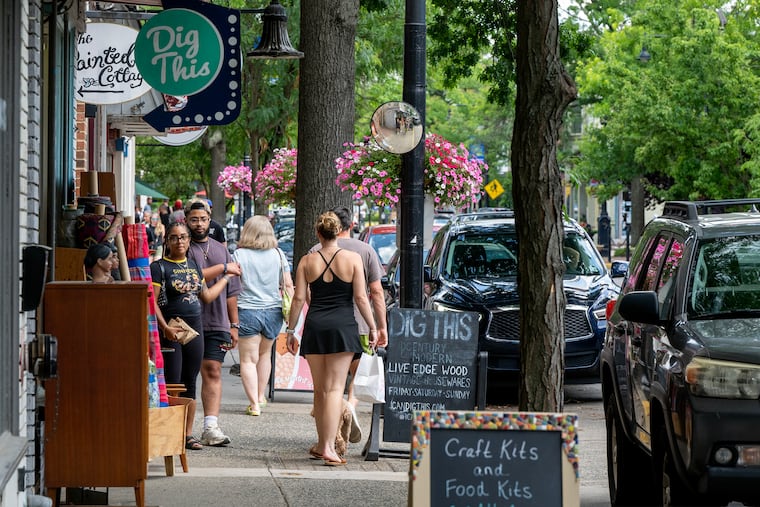
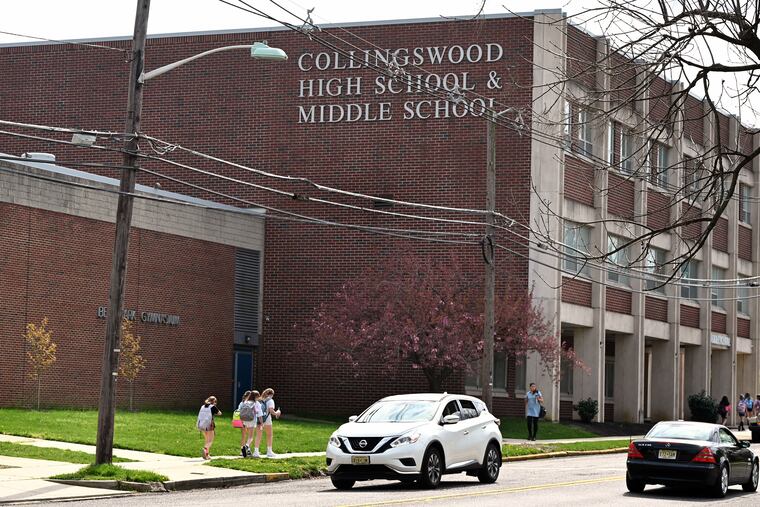
Collingswood voters decided Tuesday to overturn a Quaker-era policy restricting the sale of alcohol in the borough, after more than a century as a dry town.
The ballot measure passed with just over 60% of the vote, or 3,506 voters, according to preliminary election results from Camden County.
The move represents a historic shift for a borough that has prohibited alcohol sales since the 19th century.
“The outcome represents an important change for Collingswood, and the governing body is committed to approaching the next steps thoughtfully, transparently and in a manner that reflects the interests of the community,” the borough said in a statement Wednesday.
It is not yet clear how quickly alcohol sales could begin. Local regulations will first need to be established to determine how many liquor licenses will be available, what types of businesses can apply for them, what they will cost, and how those businesses will be allowed to operate, according to the borough.
To abide by the state-mandated population-based cap, Collingswood will be limited to either a single distribution license for a liquor store or four retail consumption licenses that permit restaurants or bars to serve alcohol. It is not clear which route Collingswood will take.
It is also unclear how much revenue the borough could take in from the new licenses.
Collingswood intends to award the licenses through a public bidding process and will establish a minimum bid “informed by research into recent successful license bids in comparable municipalities,” according to the borough’s statement.
Annual licensing and renewal fees could generate between $1,000 and $10,000 each year, borough solicitor Caitlin Harney Norcia said during a commissioners meeting earlier this year.
In addition to a liquor license ordinance, officials will also need to establish zoning regulations to determine where in town the licensed establishments can operate, the borough said. Right now, they are primarily focusing on the central business district, they added.
“There’s a general sense that liquor can be a good thing, but there’s a concern that if it’s done in a way that’s unbalanced, it can also throw people off,” borough administrator Cassandra Duffey told The Inquirer in June.
“The challenge is not to disrupt the balance of businesses that already exist here,” she said.
Tuesday’s ballot referendum was the result of a concerted effort from Collingswood residents this summer to collect enough signatures to put the question in the hands of voters.
One of the residents who voted in support of the measure was Emma Rose, 40.
“We absolutely need liquor in this town,” said Rose, who does not drink but voted in support of the measure.
“I don’t think businesses should be hampered from being successful in the modern market based on the outdated, outmoded, sort of strange puritanical restrictions,” Rose said.
“It’s just not possible” for small restaurants to sustain themselves without serving alcohol, Rose said.
Jill Leeb, a 38-year-old mental health therapist, also does not drink, but she said she wants to see if the liquor licenses can provide a revenue boost for the borough and its restaurants.
“I don’t think it can do much harm to try it out and see what happens,” Leeb said at her polling place Tuesday. “And we could always walk it back if it doesn’t, but it’s important to enough people that why not try and see how it goes?”
But longtime residents Donald and Patricia Nigro fear that liquor sales could be a slippery slope for the borough. They both voted against the measure.
Collingswood’s enduring status as a dry town helps set it apart, they said, and has helped protect it from some of the pitfalls of other municipalities.
When he moved to the borough decades ago, Nigro said, people were skeptical of his decision.
“Back in the mid-’80s, Collingswood wasn’t as vibrant as it is now,” he said, attributing its growth into a highly desirable place to live, at least in part, to being alcohol-free.
“If we have alcohol, it’s going to do nothing for the quality of life here, because when we want to drink at a restaurant, we bring a bottle,” he said. “It’s cheaper.”

Inquirer South Jersey