Democrats win trifecta control of Pennsylvania Senate, House and governorship for the first time since 1993
The trifecta marks a monumental win for Democrats and Gov. Josh Shapiro, and sets them up to pass several long-stalled priorities, including a minimum wage increase.

Democrats will control Pennsylvania’s state Senate, House, and governor’s mansion for the first time since 1993, according to race calls by the Associated Press.
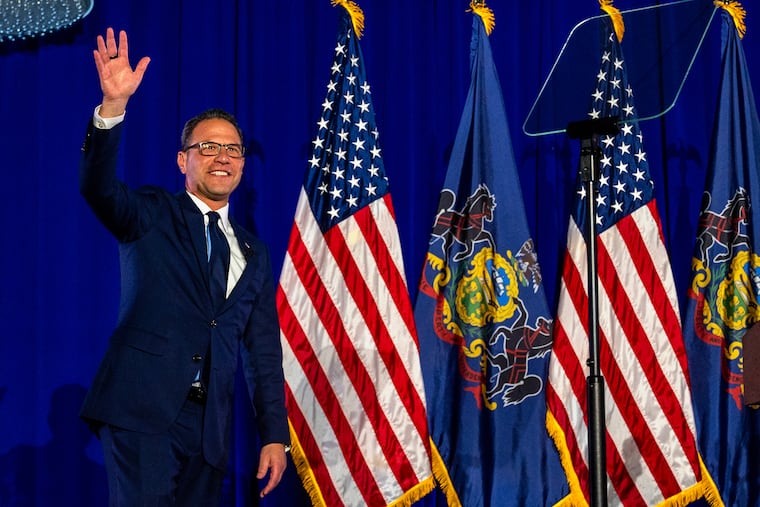
The trifecta marks a monumental win for Democrats, who did not expect the state Senate to be competitive for at least another six years — and sets them up to pass several long-stalled legislative priorities, including a minimum wage increase. It also represents a pivotal win for Shapiro, who is widely seen as a potential 2028 presidential contender and who staked much of his midterm political capital in flipping the state’s government blue for the first time in decades.
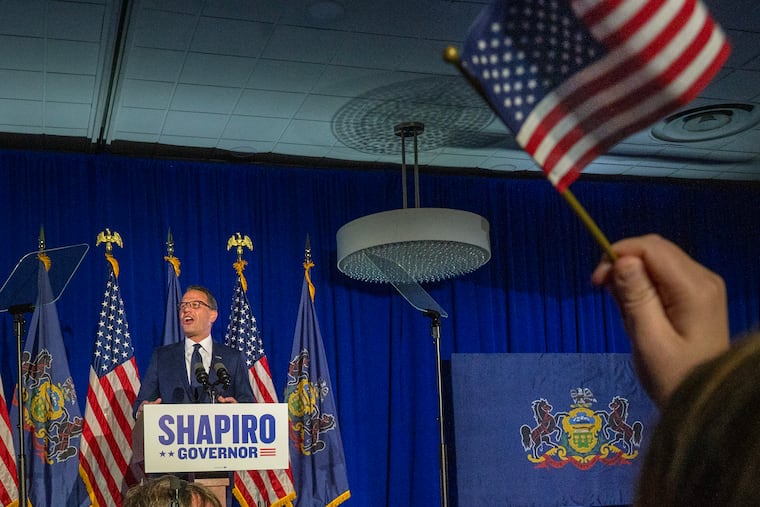
“TRIFECTA DELIVERED,” Shapiro posted to X early Wednesday, ahead of the Associated Press’ determination.
Since Democrats flipped the House in 2022, Pennsylvania was one of the only split legislatures in the nation, indicative of the critical swing state’s purple politics.
But a Republican Senate and narrowly Democratic House also led to gridlock in Harrisburg on critical issues facing the state and monthslong budget impasses that led schools, counties and providers to take out loans or cut critical services. The split also blocked top legislative priorities from either party from ever coming to fruition, like Republicans’ efforts to create new school vouchers, or Democrats’ attempts to increase the minimum wage.
Shapiro, who won reelection Tuesday, wagered his reputation and popularity in Pennsylvania on flipping the state Senate, a major success to add to his resume ahead of a potential 2028 presidential run. He sent $2 million to the Senate Democratic Campaign Committee, and another $1 million to the House’s campaign arm, as part of his efforts to win a trifecta and finally pass their long-sought legislative priorities.
» READ MORE: Gov. Josh Shapiro cruised to reelection in Pennsylvania. Now the real campaign begins.
Democrats targeted four state Senate seats they believed they could flip, concentrated in the collar counties and Eastern Pennsylvania. . Republicans outspent them, as of Monday — with the help of PACs backed by Pennsylvania’s richest man, Jeffrey Yass — to keep the seats and to flip back Lancaster County’s 36th District back into Republican control.
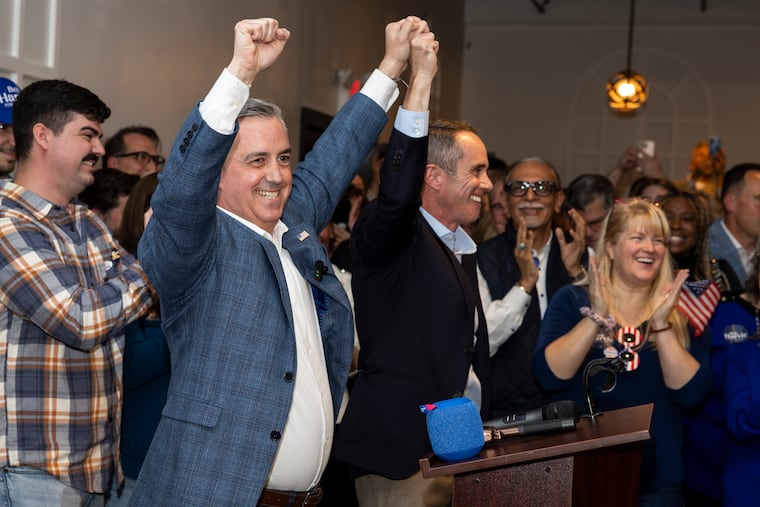
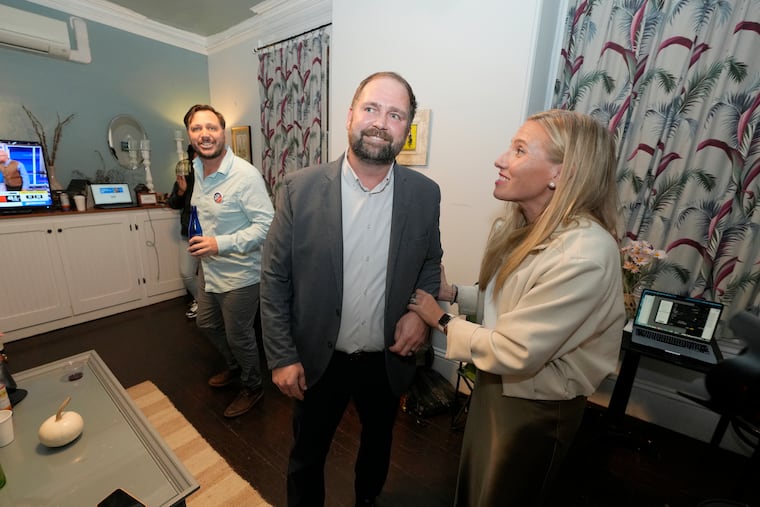
In the end, Senate Democrats were able to flip their four targeted seats, electing:
Eileen Hartnett Albillar, a social worker, to the 6th Senatorial District in Bucks County.
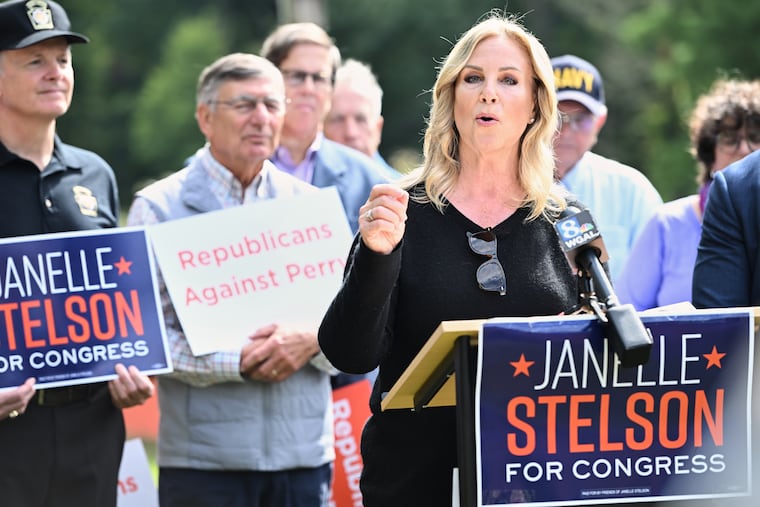
Chris Thomas, the former Montgomery County Democratic Committee executive director, to the 24th Senatorial District in Montgomery County and part of Berks.
Brian Wrightson, a Lackawanna County government worker, in the 40th District in Monroe and surrounding counties.
Mark Pinsley, the Lehigh County controller, in the 16th Senatorial District in Lehigh County and part of Bucks.
Republicans flipped the Lancaster County seat back to GOP control, electing Rep. Tom Jones to the upper chamber.
Democrats also retained control of the state House and were on track to expand their majority. Heading into Election Day, House Democrats held a 103-100 majority.
Sen. Vincent Hughes (D., Philadelphia), who chairs the Senate Democratic Campaign Committee, said Democrats have been laying the groundwork for this majority for years.
“Finally, the progress working families have been crying out for can be delivered in Harrisburg,” Hughes said in a statement. “We’re anxious to get to work with Gov. Josh Shapiro, who was reelected, and our colleagues in the House, who have expanded their majority.”
The last trifecta in Harrisburg belonged to Republicans, who won full control in 2010 in a significant red wave in the first midterm following former President Barack Obama’s election. The GOP controlled Harrisburg for four years before former Gov. Tom Wolf, a Democrat, won the governorship and would frequently veto legislation he did not like, leading to a nine-month budget impasse and long legislative standoffs.
Pennsylvania’s latest legislative maps — set in 2022 by the state’s five-person redistricting commission — made the state House significantly more competitive for Democrats. That year, the party flipped the chamber for the first time in more than a decade.
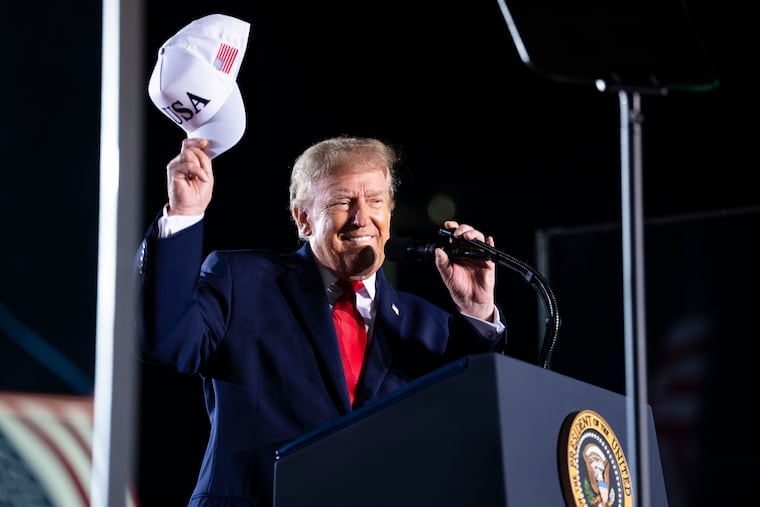
In the state Senate, the same set of maps benefited Republicans, and were likely to cement GOP control for another decade, according to an analysis conducted for The Inquirer by the nonpartisan Princeton Gerrymandering Project at the time. But with President Donald Trump’s approval ratings below 40% and a national wave of discontent with Republican leaders, Shapiro and Democrats saw this midterm election as a unique opportunity to try and flip it sooner.
The Senate Democratic Campaign Committee noted that while Democrats held a trifecta in 1993 after a member changed party registration, it had been more than 50 years since voters elected a Democratic Senate.
A spokesperson for the Senate Republican Campaign Committee declined to comment early Wednesday.