A South Jersey resident evicted from a council meeting will get a $15,000 settlement from the borough
Alfonso Penna sued Lindenwold over its now-rescinded video policy, which required residents to give notice to record, submit their footage to the borough, and limited meetings to only one camera.
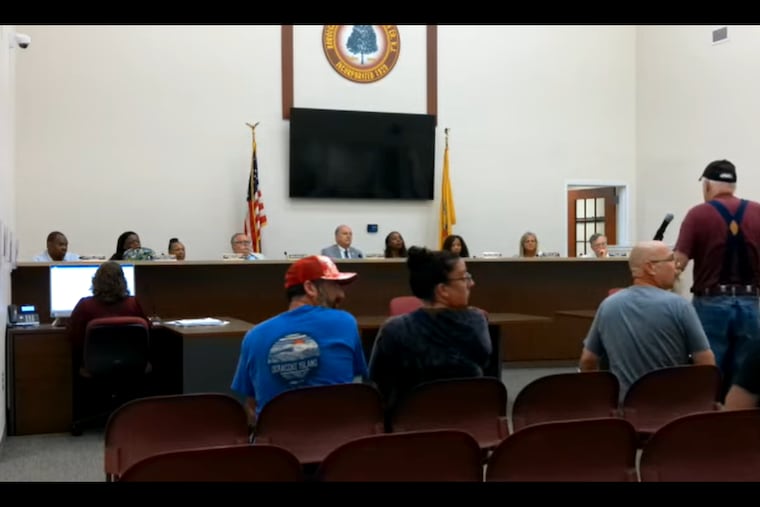
Lindenwold will pay $15,000 to a resident who was removed from a council meeting for recording on his phone, settling a lawsuit over the Camden County borough’s video policy.
The lawsuit pushed the seven-person council to rescind its policy last month, which limited public meetings to one camera, required attendees to give 30 minutes notice before they record, and demanded that residents provide a copy of the recording to Lindenwold officials within two days.
The lawsuit follows years of calls by residents for the borough to record its own meetings and upload them to its website.
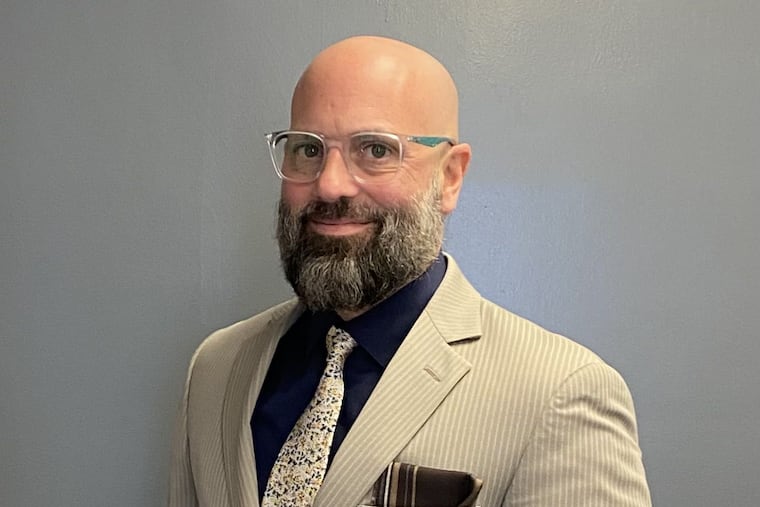
Alfonso Penna, 24, filed the complaint on July 22 against Lindenwold, its mayor, the police chief, and the police officer who escorted Penna out of a June council meeting. He alleged the borough had infringed upon his constitutional right to freedom of expression, his right to record, and the state’s Open Public Meetings Act. Penna, who has lived in Lindenwold all his life, said it took only a few days for Lindenwold to reach out seeking to settle the dispute.
“The residents ended up having to foot the bill of just some incompetence,” said Penna, who started attending all of Lindenwold’s public meetings between his job as a pool repairman two years ago. “That’s what it came down to.”
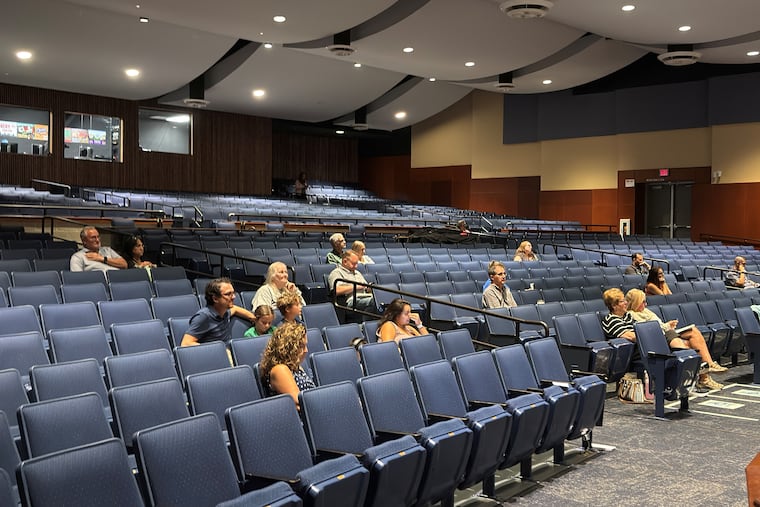
Officers escorted Penna out of the June 10 council meeting after Richard Roach, Lindenwold’s longtime mayor, told Penna to leave as he recorded a resident speaking during the public comment period, according to the complaint and a recording of the June meeting.
Roach cited the borough’s one-camera video policy. Trevor Shaw, founder of local community advocacy group Love Lindenwold, has recorded nearly every council meeting since 2018, and he was already recording that night.
In Shaw’s recording, Penna can be heard arguing for his right to record under the Open Public Meetings Act, before agreeing to leave after repeated pushback from Roach.
Then, at another council meeting in July, the complaint alleges that Roach again demanded that Penna turn off his camera and asked an officer to escort Penna out. Police Chief Michael McCarthy allegedly told Penna that the meeting wouldn’t continue until Penna stopped recording.
But this time, the complaint says Penna didn’t leave. Rather than remove him, council members temporarily ended the public session to speak in private. They returned less than 10 minutes later to resume the meeting, and Penna kept recording.
Lawyers for Penna and Lindenwold filed to dismiss the lawsuit Tuesday, after the borough voted unanimously on Sept. 9 to pay thousands of dollars for Penna’s legal fees. The agreement, provided to The Inquirer by Penna, requires that any future recording policies in Lindenwold follow “constitutional limitations” and be enacted by an ordinance, so residents can comment on the rules.
The video policy that was revoked had been enacted by resolution in January at a council meeting, in a single vote approving 65 resolutions at once.
Roach and his fellow council members haven’t commented on the rescinded policy or their decision to settle at recent meetings. Roach, the borough administrator, and several council members did not return requests for comment.
Raymond Morrissey, who has served on Lindenwold’s council for the past four years, said he’s not aware of any plans for council to create a new recording policy. But the old one will cost residents via the $15,000 payout.
“That impacts all us taxpayers in town because one way or another, it’s an extra expense,” Morrissey said. “Whether it was budgeted or not, it was an extra expense.”
‘A petty power play’
Until it was rescinded in August, Lindenwold’s policy limiting meetings to one camera had been approved by council every January for years. Morrissey said the policy is one of “a gazillion and one resolutions” passed with a single vote during the annual reorganization meeting.
Shaw, a Lindenwold resident since 1998, said the policy has impacted him for the past eight years, as he has recorded and posted meetings online.
While Roach has never approached him over the one-camera rule, Shaw said the mayor has demanded copies of his footage before he posts it to YouTube and criticized him for not giving proper notice.
“To me, it’s always seemed like a petty power play just to exert some perceived level of control or power over the people who choose to attend the meetings,” Shaw said.
It’s unclear exactly how long the policy has limited meetings to one-camera, but its language isn’t very modern. The policy requires people recording to “advise the Council or Borough Clerk of the tape’s permanent location” and “make fair payment for the electricity used while operating the video recording device.”
The now-rescinded policy says the one-camera rule was created to “prevent disruption of council meetings” and could be enforced at the discretion of borough officials.
But Penna’s lawsuit claimed that his cell phone, “silent” and “self-contained,” posed no risk of distraction.
“This was clearly written for a time before smartphones,” Penna said.
At the June meeting, Shaw said multiple people had taken their phones out to record during the induction of new borough police officers, about a half hour before Penna was removed from the room. Love Lindenwold’s recording shows at least one other person recording on their cell phone, without reproach.
Penna’s complaint attributed that difference to local politics: Penna ran for Lindenwold Council during the June Democratic primary, just days before he was kicked out of the meeting.
Penna lost that election to two incumbent council members.
A vacuum of information
Without the policy, residents can now record Lindenwold meetings regardless of whether Love Lindenwold or Penna are there to record, and no ordinances have been introduced to change that.
But Shaw and Penna both said Lindenwold’s next step should be to start recording and posting their own meetings so the public doesn’t have to. Shaw, who has previously approached borough officials to offer his recordings for Lindenwold’s website, said council hasn’t been receptive to those pitches.
“There’s an enormous vacuum of information in this town,” Shaw said.
Penna agrees. He said attending public meetings could bring more attention to issues important to him and other residents, such as public transit and installing benches at local bus stops, especially as nearby municipalities record and post their own meetings without issue.
“It’s 2026,” Penna said. “I’ll keep holding Lindenwold accountable. There’s a lot of apathy in town. We need more people who want to show up and care because our town is worth caring about.”
Enjoyed this story?
Get more South Jersey news on your homepage with one click.