After Pulitzer- and Tony-winning success, the Wilma Theater goes big on streaming
“This is in no means trying to replace live theater,” said the theater's artistic director Lindsay Smiling, but a way to reach a wider audience.
The Wilma Theater is expanding its digital programming with a new platform to provide streaming productions of its performances to audiences in Pennsylvania and beyond, the theater announced on Thursday.
Called Watch Wilma, the digital theater platform will offer limited runs of shows filmed and staged at the Wilma and partner organizations, including Philadelphia’s Azuka Theatre and Pittsburgh’s City Theatre, for audiences both nationally and internationally. Thanks to a $200,000 grant from Bloomberg Philanthropies’ Digital Accelerator Program, the productions will be accessible directly on the Wilma’s website instead of a third-party site, like its previous streaming productions. Featured shows become available after their respective live runs close, allowing audiences additional opportunities to view the plays online.
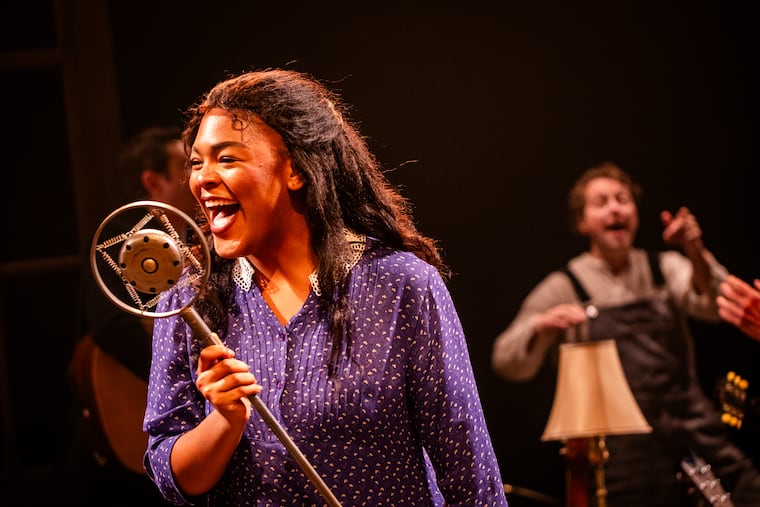
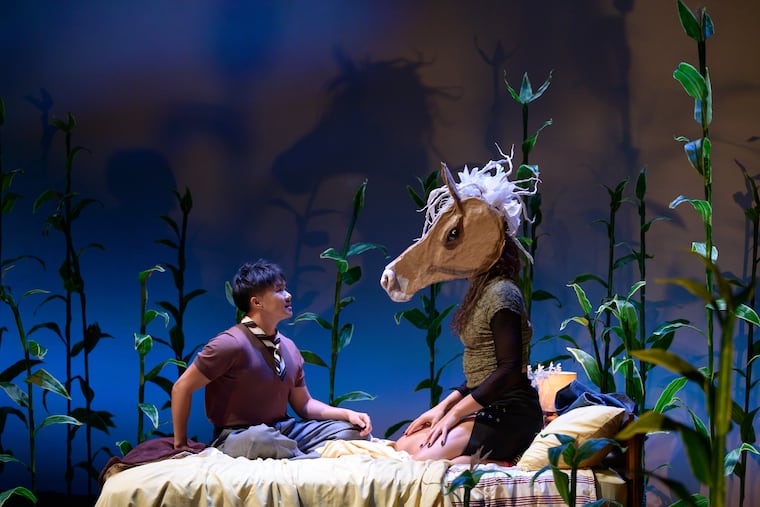
The first three productions available on Watch Wilma will be Horsegirl & Cowdaddy, a world premiere from Philadelphia playwright DJ Hills about a trans woman living in rural Pennsylvania (streaming Oct. 8 to Nov. 1); City Theatre’s solo musical In Clay, a true story about French ceramicist Marie-Berthe Cazin (streaming Oct. 20 to Nov. 8); and the verbatim play #CHARLOTTESVILLE, the Azuka Theatre production about the deadly white supremacist march in Virginia in 2017, directed by the Wilma’s resident director Yury Urnov (streaming Nov. 5 to 19). Tickets are $35 per show, or $95 for a three-show package.
“This is in no means trying to replace live theater,” said Wilma artistic director Lindsay Smiling. “We’ve seen the data that this gets the word out … and we can now actually help promote theater around the country, starting locally with Pennsylvania theaters, to promote theater as a thing to do. Hopefully this will help get people excited to come to the theater again.”
The Tony-winning theater has been a pioneer in digital productions since the COVID-19 lockdown in 2020, when performing arts institutions around the country were forced to close their doors. (The majority of arts organizations in the Philadelphia region have struggled to regain those pre-pandemic audience numbers.) Most notably, the Wilma’s filmed performance of James Ijames’ Fat Ham — a digital world premiere shot under CDC restrictions in 2021 — won the Pulitzer Prize for Drama in 2022 before it was staged with a live audience. The recognition marked the first time in Pulitzer history that the prestigious award went to a digital production. The show went on to Broadway in 2023 and received five Tony Award nominations, including best play.
A year later, the Wilma received the 2024 Regional Theatre Tony Award, a special recognition for theaters who have “displayed a continuous level of artistic achievement contributing to the growth of theatre nationally.”
Digital productions have now become a regular part of Wilma programming, reaching viewers in all 50 states and more than 20 countries and providing between five and 15% of ticket revenue depending on the show. Wilma has streamed 19 shows over the past five years and has developed its streaming capabilities with funding from the Knight Foundation, which granted the theater $925,000 in 2023 over three years to build out a digital lab, upgrade its equipment, conduct market research, and hire digital production staff.
Director Leslie Juan Rivera Ramos, who filmed Fat Ham, leads the camera crew to capture performances for Watch Wilma. He films two consecutive performances so there’s backup footage; For example, if an audience member coughs during a key moment during one night, he’ll edit the footage to use the scene from the other night. The play’s director reviews the film to provide their notes before the production goes online in a process that takes about a week to turnaround.
Per the Wilma’s union agreement, the digital runs are limited in how long they’re available to stream and how many tickets they can offer; digital runs will end four weeks from the close of the live run, and the tickets sold online cannot exceed the number they could have sold in-person. Managing director Leigh Goldenberg likens it to “unused inventory” and adds that the limited scope and time of the digital productions maintains the ephemeral nature of theater.
On average, Wilma productions are reaching an additional 1,000 viewers online per show and one Wilma study found that roughly a third of that audience had already seen the show in-person and wanted to revisit it.
“When we got back into the theater [after lockdown], we didn’t want to let go of this access that we created and the audience around the country and the world,” said Goldenberg. “We have found that we break even and a little better, but not all the time. So this is more about access than ‘Here’s this great new revenue stream.’ It’s a way to think about the full potential audience and just reach them in different ways.”
Incorporating works from theater collaborators in Pennsylvania felt like an important next step for the Wilma’s digital work as they partner with organizations that similarly embrace boundary-pushing theater. Goldenberg described the effort as a “natural and sort of necessary pivot to keep us all thinking about the future.”
She sees it as another way for the theater to continue taking risks.
“Blanka [Zizka], our co-founder, said, I’m paraphrasing, ‘For all these years, my imagination has stayed within the theater, and now it could be anywhere,’” said Goldenberg. “I like to think about that in terms of the audience as well. That the Wilma’s work is inherently adventurous and risk-taking, and to have this other way that we’re experimenting with form help us bring people to the theater, albeit digitally, feels like a natural extension of what the Wilma has been for nearly 50 years.”