These taste testers have four legs and picky palates
Pet food makers are pouring money into research to understand the palates of cats and dogs — and to cater to people who see their pets as family members, and are willing to spend on them.
AIMARGUES, France — Imagine dozens of cats napping or milling around a space that looks a lot like a pet daycare center.
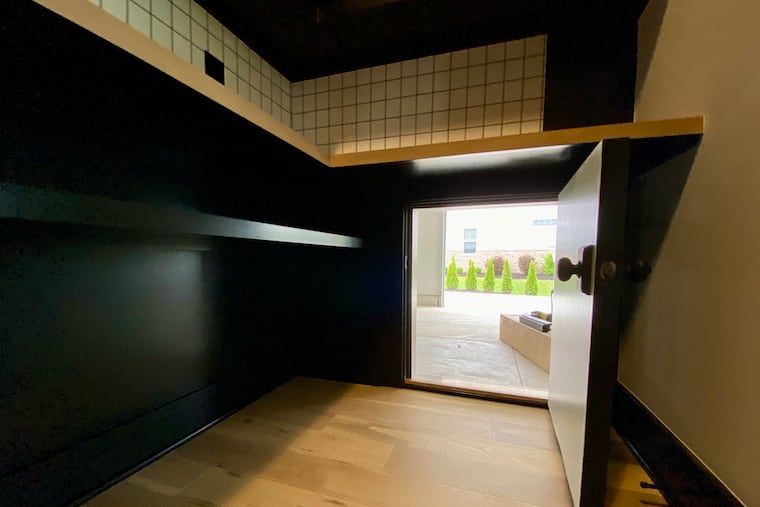
Every day at 4 p.m., dinner is served. The cats step into cubbyholes, each with two trays of kibble atop scales. The cats choose which food they like better, and the scales measure how much they consume. Nutritionists at a Royal Canin pet center in southern France are watching: Which kibble do the animals prefer? How enthusiastically do they chow down? A team uses the data to adjust recipes and devise new ones.
Pet food makers like Royal Canin, owned by global consumer conglomerate Mars, are pouring money into research to understand the palates of cats and dogs — and to cater to people who see their pets as family members. Even as the war in Iran has spurred inflation and wage growth has not kept up, the pet food market has kept growing.
And as pandemic pets, adopted in droves in 2020, enter middle age, pet food makers are zeroing in on foods aimed at aiding aching joints, strengthening tired muscles, and protecting cognitive function.
“Aging is one of the biggest opportunities,” said Cécile Coutens, president of Royal Canin. The company’s senior cat food line includes extra-soft mousse for cats ages 11 and older and easy-to-eat kibble for cats 15 and older. Many companies sell supplements for cats with dementia and to support healthy brain aging.
Inflation has driven up the prices of conventional kibble (croquettes in French). And yet options in the dog and cat food aisles have become pricey and specialized, with brands selling fresh, human-grade food. Studies have shown that people will cut back on spending for themselves before their pets. Purina last year debuted a “tender cuts in elegant jelly” dish in a pyramid shape to encourage cats to take wide bites.
More than $17 billion was spent on cat food in the United States over the last year, up 14% from the same period two years ago, according to NielsenIQ, a consumer research firm. (Dog food sales were roughly even.) In contrast with previous generations, when parents took in pets at the request of their children, people today often have pets before they have children, if they have children, Coutens said.
Companies are investing in premium pet food lines that cater to wealthier people, as the K-shaped economy — shorthand for the widening gap between the rich and poor — persists.
While in some ways cats are lower maintenance than dogs, cats tend to require some human ingenuity when it comes to food.
“We like cats a lot because cats are also pickier eaters, in a sense, so you need more science technology to actually cater to that successfully,” Philipp Navratil, CEO of Nestlé, said at a conference in June. Cats have in recent years been adopted at higher rates than dogs, as people spend more time in the office.
Like Nestlé, which has two centers where researchers study cat and dog behavior, Royal Canin has an extensive research program dedicated to dogs and cats. At Royal Canin’s pet center in Aimargues, only the most discerning eaters of the 377 dogs and cats that live on campus participate in taste tests. The company’s other pet center is in Ohio. As part of training, kittens are offered food of different textures and flavors to develop their senses. At 7 months, they are taught to eat from designated feeders.
Dogs that eat almost anything, such as Labradors, do not make the cut, said Silvia Miret-Catalan, vice president of research and development at Royal Canin.
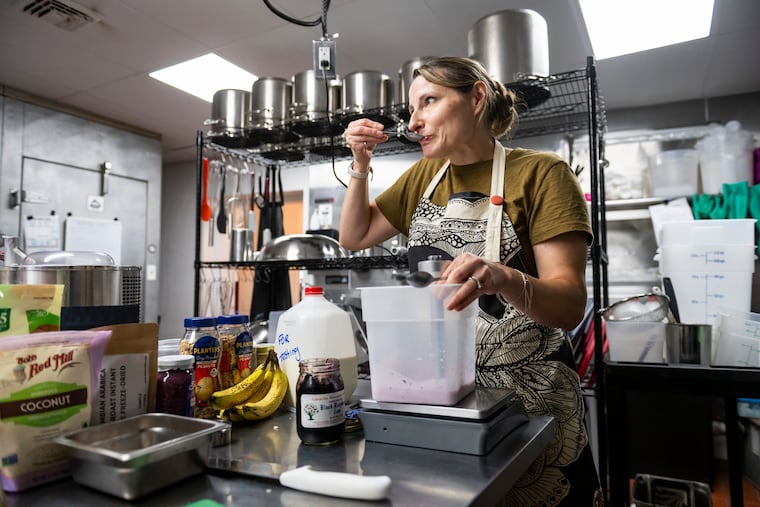
At the Royal Canin center, a team monitors behavior after breakfast and dinner. Do the cats and dogs seem more lethargic than usual? Playful? What’s the quality of their stool, on a scale from 1 to 10?
“The lowest score will be diarrhea,” said Yannick Soulard, who works in innovation. The feces are then dried and analyzed to determine how the food is digested, he said. Once the dogs and cats turn 7, employees can adopt them. There’s a long waiting list, and employees who have developed a bond with particular animals get priority.
Taste is a big focus. Scott McGrane, a feline expert at Mars’ Waltham Petcare Science Institute in England, said his team was especially interested in understanding the senses and tastes of cats, including senior cats. Why didn’t they have a preference for sweet foods? Why do they love tuna so much? He said researchers determined that cats had the umami taste receptor, which enables them to taste and detect umami compounds. Tuna has a unique combination of compounds that is akin to “super umami” for cats, he said.
As cats age, some of their taste buds fade, but they retain their perception of bitterness, causing certain foods to become less appealing, Miret-Catalan said. Her team designs food for senior cats that masks bitterness and enhances attractive aromas to keep cats interested in their food as they age, she said.
Inside the Royal Canin factory, past a wall of framed pictures of giant kibble pieces, are enormous steel barrels where corn, chicken, wheat and other ingredients are mixed. The factory produces 146 types of kibble that pet owners can choose from.
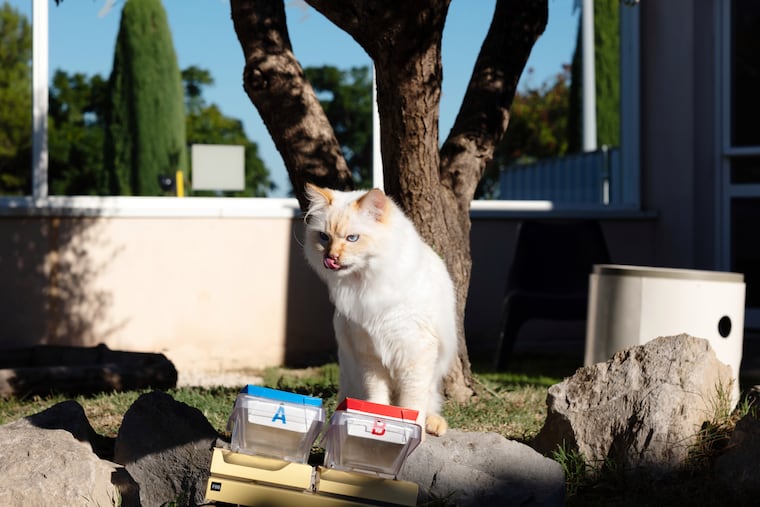
On a recent afternoon, Royal Canin recreated a test for me and my photographer colleague in a sunny spot under a tree. I watched Willow, a 2-year-old Ragdoll cat, eat from Tray A, Tray B, then Tray A again. What did her indecision mean? A Royal Canin official conceded it wasn’t a true A/B test; the trays had the same food, a departure from the usual practice. Willow was unfazed. She finished both and walked away.
This article originally appeared in the New York Times.