Voters have many reasons to be upset | Expert Opinion
The rising costs of fuel, food, and housing are wearing on people, and the labor market isn’t helping, economist Joel Naroff writes.
With the election approaching rapidly, I am reminded of Ronald Reagan’s famous line in his debate with Jimmy Carter: “Are you better off now than you were four years ago?”
The electorate answered by voting overwhelmingly NO.
Today, pollsters are asking a similar question: “Are you better off now than when Donald Trump became president again?”
If the economic and political surveys are any indication, the answer is, once again, NO.
There are many reasons why.
But first, a short story: Twenty years ago, at the annual meeting of the National Association for Business Economics, I received the organization’s Outlook Award as the top economic forecaster.
On the way out of the meeting, future Fed Chair Janet Yellen turned to me and said: “So you’re the economist who keeps writing ‘as long as you don’t eat, drive a vehicle, or heat or cool your home, inflation is not a problem. For the rest of us, it is.’”
I was.
When the average person looks at their living expenses and what is happening to affordability, they consider all their costs. They don’t exclude volatile food and energy prices, assuming those will come down in the future.
I was poking fun at the Fed when I made the comment about food and energy not being important. The Fed uses the price index excluding food and energy because it better forecasts future inflation.
But politicians who dismiss basic living expenses do so at their own peril. That’s point one.
The second point to remember is that the rate of inflation reflects how fast prices are rising, not the level of prices.
When inflation decelerates, prices don’t fall, they just go up more slowly. Many politicians don’t appear to comprehend that, but it is the key to household affordability concerns.
How upset are people?
They are really unhappy campers.
The University of Michigan’s Consumer Sentiment Index stands at its second lowest level on record. The low point was in May.
How much has sentiment declined? In January 2025, the start of the second Trump administration, the index stood at 71.7. It is now 48.1, after a huge 33% decline.
The outlook is dire. Michigan’s Consumer Expectations Index is also at its second lowest level on record and is down by one-third, while its Business Expectations Index is approaching historic lows.
Similar results can be found in the Conference Board’s Consumer Confidence Index, in which the Expectations Index has fallen to a level normally seen during a recession.
So yes, people are really unhappy.
Energy inflation is driving the consumer outrage
Consider energy expenses. In the past year gasoline prices increased roughly 30%. The average price of gasoline in May was the second highest on record, topped only in June 2022.
Those huge gas station signs trumpeting the incredibly high prices drives home the reality every day.
The coming winter could wreak havoc on household budgets as home-heating oil costs have surged by more than 50%. And while nationally, electricity prices have risen moderately, they are up by double-digit percentages in the Mid-Atlantic region.
High and rising food costs feed the discontent
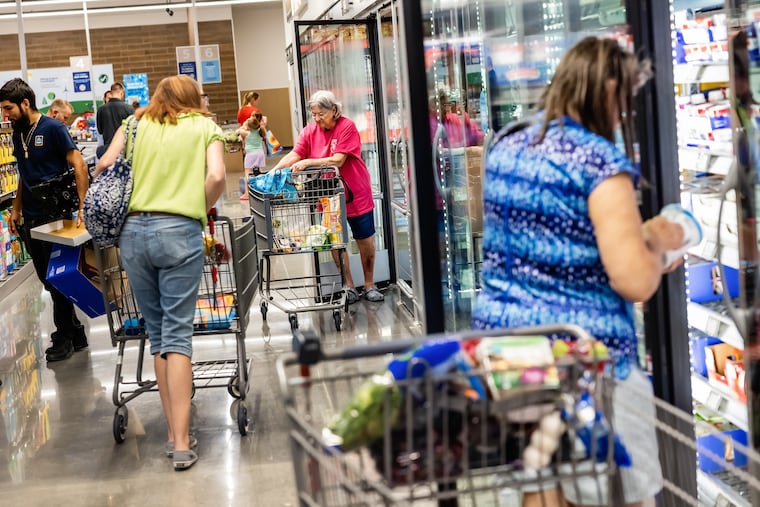
When you look at some of the price data for food, it becomes clear why people are so ticked off.
The Consumer Price Index for food at home increased a fairly modest 2.2% over the past year.
There were large price increases in some basic products, such as ground beef (7.2%) and seafood (6.5%), but they were somewhat balanced out by declines in the price of eggs (-23%) and chicken (-2.3%).
Critically, though food inflation decelerated, the price of most products, which were already high, rose further. That is what the average shopper sees.
Households couldn’t escape high food prices by eating out. Restaurant costs were up by 3.4% on top of several years of even greater increases.
With transportation, diesel fuel, and fertilizer costs soaring, the pressure on farmers and ultimately food prices is not easing.
Interest rates and housing costs added to household woes
Housing expenses jumped as well, increasing 3% over the year. Rent is up 2.7%.
If you want to buy a house, mortgage rates surged by more than one full percentage point and now stand at about 7.4%. This is approaching the highest rate we have seen in 25 years.
Rising interest rates are affecting credit card and auto loan rates as well, further draining consumers wallets.
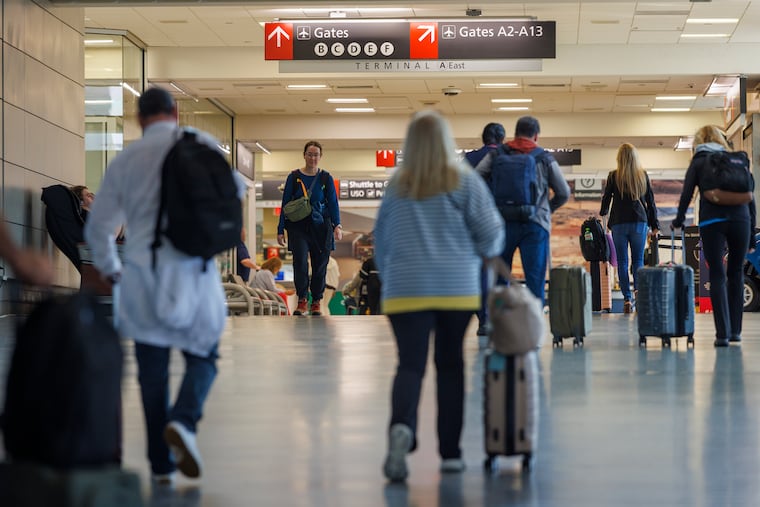
And if you wanted to get away from it all, airline fares are up nearly 25%, powered in no small way by a doubling of jet fuel prices.
Prices continue to rise, and what consumers thought were high prices before are only getting higher.
Unfortunately, while wages rose solidly, they are not keeping up with prices, meaning household purchasing power is now declining.
The affordability crisis is no hoax.
AI is restraining the labor market
If the inflation concerns were not enough, there is now what is being called AI Anxiety.
Rapid advances in artificial intelligence have raised questions about not just employment but even the survival of humanity. That is adding existential angst to voters’ day-to-day worries.
The softening job market is supporting those fears. Payroll growth this year has been anemic.
To put it in perspective, during the pre-COVID period of the first Trump administration, job gains averaged a moderate 185,000 per month. In 2025, it was 183,000. But this year it is only 65,000.
AI has made businesses uncertain about how many workers to hire. Especially for those who lose their jobs, want to change jobs, are new workforce entrants or recent graduates, opportunities are few.
If all that was not enough, we haven’t even talked about tariffs, soaring healthcare expenses, wars, political chaos, immigration clashes, and culture battles.
If you still wonder why people are worried, uncertain, and angry, remember the immortal words of James Carville: “It’s the economy, stupid.”