Target bets shoppers want to buy trendy snacks and drinks in grocery revamp
It is part of the retailer’s strategy to reverse three years of weak sales, as it remodels stores and refreshes its offerings for consumers.
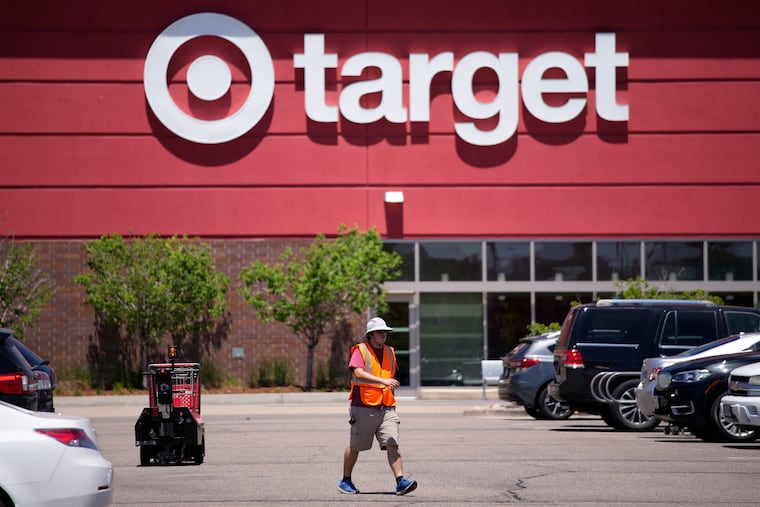
Target Corp. has long struggled with its grocery identity: whether it wants to be a discounts-driven everyday chain or a cool, zeitgeisty retailer. Its latest big bet indicates it’s chosen the latter.
The company has been overhauling its grocery aisles since the spring, hoping the upscale Tarzhay success it once had with stylish apparel and home goods in the early 2000s can be revived in food. It’s expanding the size of the section by more than 20% in nearly 150 remodeled stores and more than 50% in 300 new locations, carving out additional space for fresh produce and trendy items while cutting back on some pantry staples that shoppers aren’t buying or can get elsewhere.
The strategy, intended to help reverse three years of weak sales, contrasts with what rivals in the $1 trillion U.S. grocery industry are doing. As competition intensifies, Walmart and Kroger are lowering prices across the board to appeal to inflation-weary, cost-conscious consumers. Target’s share is tiny in comparison, and the pressure is on to sell the right products at the right price or risk falling further behind.
At a Target store in West Hollywood, Calif., the coffee aisle is stocked with pink and green packages of collagen-infused strawberry matcha latte powder and mushroom-coffee brands Ryze and Everyday Dose. Nearby, healthier packaged food additions include gluten-free pumpkin spice cereal, sour melon candy made with less sugar, and Khloé Kardashian’s protein-dusted popcorn. Target is also broadening its Asian food selection, giving prime shelf space to sesame miso noodles, jars of chili crisp, and peach-flavored soju.
Several shoppers said they’d noticed new brands and layout improvements, but the changes hadn’t yet made a difference in how they shop at the chain.
“I’m just buying groceries out of the convenience of already being here,” said Emma Woods, 29, as she grabbed a few items, including Frosted Flakes and Yoplait, for an upcoming girls weekend. She said she still prefers to do the bulk of her food shopping at Whole Foods Market, Ralphs, and Trader Joe’s.
“The selection just isn’t as large as a larger grocery store that I could go to, and I think the prices aren’t as competitive,” the dancer from Los Angeles said. “For me, it might be a lost cause.”
Dwarfed by grocery rivals
The grocery makeover is a crucial piece of Target’s attempt to rejuvenate its operations and boost traffic. The retailer estimates the move will generate more than $2 billion in growth over the next few years.
Since 2023, revenue has been shrinking as shoppers spend at a slow pace because some of the merchandise hasn’t been resonating the way it did in the past. New chief executive officer Michael Fiddelke has pledged to improve Target’s product assortment, store experience, and technology, identifying food among the primary areas of focus along with baby, home, apparel, toys, gadgets, and sports.
Target for years has debated how much food to sell and how to pitch itself against competitors. It’s sold many packaged goods, which have a simpler supply chain, rather than a full-fledged offering. As a result, food has been an afterthought for many shoppers, tacked on to the end of their Target runs or a holdover in between their main grocery trips.
“I don’t think people wake up and say, ‘I need groceries, I’m going to go to Target,’” said Joe Feldman, an analyst at Telsey Advisory Group.
Target wants that to change and sees significant opportunity: More than half of its customers buy groceries when they shop at the chain. And food, which makes up less than 25% of its revenue, has been growing faster than most divisions.
So far this year, Target has added roughly 4,600 new food items — including probiotic coconut yogurt, mini rice cakes drizzled with chocolate, and frozen sour candy mixes — and more than 60 new brands during the second quarter. The retailer expanded the space allotted for Asian food products by about 75% and beefed up offerings of noodles and snacks in the category after sales rose more than 25% in the last year.
“Food and beverage is a powerful opportunity to make life easier for busy families and drive our business forward,” John Conlin, senior vice president of food and beverage merchandising at Target, said in a statement. Its grocery offerings, which have had strong sales momentum, are deepening customer loyalty and driving more frequent trips, he said.
But Target has substantial ground to make up. The retailer is dwarfed by Walmart, Costco, and Kroger, whose food businesses are roughly 12 times, six times, and five times bigger, respectively. Like Target, the three giants are increasingly selling trendier items — but they’re also using their scale to lower prices and emphasize value at a time when budget-conscious consumers are searching for bargains. U.S. food prices are expected to rise further in the back half of the year.
Walmart, known for offering affordable everyday goods, has said it will continue to lower prices. After announcing summertime deals in July, Walmart U.S. chief merchandising officer Julie Barber told staff that when the company leans on value, customers respond. “From beef and fresh produce to beverages, grilling essentials, toys and more, these investments reinforce what customers expect from Walmart: incredible value when it matters most,” she wrote in a memo viewed by Bloomberg News.
Kroger has pledged to make the biggest price cuts in years to compete more effectively. New CEO Greg Foran, a former Walmart executive, told Bloomberg that prices have to come down across thousands of items and that the company would save costs by importing merchandise and using technology more effectively. Costco, meanwhile, is lowering prices of eggs, beef, and other items.
Target lags many rivals when it comes to price. Identical national-brand food items cost about 5% more at the chain than they do at Walmart, according to data firm Attain, and one of the widest price gaps between the two is found in the snack section. It found that meat prices are relatively similar. Target said it’s priced competitively in food staples.
Curating a treasure hunt
Target is carving its own path. Instead of doing it all, the company is focusing on curation, a spokesperson said. It’s doubling down in areas where consumers are showing stronger interest, carrying an assortment of national, emerging, and store brands that reflects “evolving tastes, interests, and wellness needs.”
The hope is that refreshed food aisles filled with coveted, unique products will become the reason people visit. With some new items, Target said, shoppers are willing to spend more to try them.
“It has never been able to crack it in food,” said Jackie Lewis, a market intelligence lead at consultancy Harvest Group. “They are finally embracing the mantra that works for them in the rest of the store: exclusivity, buzziness.”
The changes are helping attract more shoppers and creating a treasure hunt experience, with Target’s food sales growing in dollars and outpacing total company growth, according to Harvest Group’s analysis.
“I buy more here now than I did previously,” said Sean Wesslund, a 40-year-old human resources consultant, while shopping at a Target in Highland Park, Ill. The store recently began offering more sustainable, healthier options such as regenerative organic certified coffee, which he likes to purchase along with basics like cereal, granola bars, and cheese. He said he sees Target becoming a cross between Whole Foods and Albertsons.
At a Target in Falls Church, Va., Sam Fowler and his fiancée, Lindsay Nesmith, were perusing the display of noodles, including Buldak spicy ramen.
“Things we would go to H Mart for, they now have here,” said Fowler, a 26-year-old TV producer. The couple does most of their shopping for bulk goods at Costco, but will supplement at Target for meals they are cooking that evening.
Grocery is among a number of areas that Target is reworking. The company is adding new, exclusive items across its baby department and expanding concierge services where shoppers can get one-on-one guidance from experts. It’s launching beauty studios in hundreds of stores, and offering more trading cards and cell phone accessories across its entertainment, toys, and tech section.
In March, Fiddelke unveiled a $6 billion plan to reverse Target’s sales slump and to reclaim the retailer’s reputation as a place to go for affordable yet stylish apparel and home goods.
Target recruited fashion designer and TV personality Isaac Mizrahi this summer to fill the newly created role of creative director at large. Mizrahi has been brought in to mentor Target designers, advise on product design and innovation, and forge new partnerships.
Fiddelke is also remodeling Target stores and improving staffing. The company has more than 100 full-scale remodels underway, with a goal of reaching 130 this year, Fiddelke said Tuesday.
Second-quarter sales results released Wednesday suggest the changes are having an impact. The CEO said the latest quarter was “an important step forward in the plan we laid out earlier this year to open a new chapter of growth for Target.”
Target also reported an increase in the number of customers going to its stores and shopping on its website from May through July.
“We’re encouraged by the progress made so far, and we’re also clear-eyed about the important work still ahead,” Fiddelke said.
Executives at several upstart food brands said they’re encouraged by the revamp. Many have inked exclusive deals with Target, ensuring their products are sold only at the chain.
Snackish, a new clean-label potato chip brand, launched nationwide in June only at Target. The Snackish customer “wants to be the first one of her friend group to find the new thing that’s trendy” and is Instagramming her finds, founder Tara Bosch said. “We wanted to show up where she is and Target is where she shops.”
Scoot, a brand of frozen lemonade pouches, highlights on its packaging that it’s only available at Target, complete with the retailer’s bullseye logo. This summer, refrigerated dough brand Sweet Loren’s rolled out its first exclusive-to-Target item: a snickerdoodle cookie dough. The company was confident it would draw new customers into Target, founder and CEO Loren Castle said.
“These emerging brands, these better-for-you brands are actually what the Target guest is looking for,” she said. “It’s the reason they’re able to compete in grocery. It’s what they’re relying on to build the future.”
Shopper Joy Shaw isn’t so sure. She went to the West Hollywood Target for school supplies this month and figured she’d also grab “lunch box stuff” including string cheese, cheddar squares, Sun Chips, and Activia yogurt drinks. The 51-year-old nurse said she’d like to see a wider selection of produce and meat, noting she wasn’t able to find ground chicken.
“If they’re trying to be the go-to place for groceries, then they need to have the foundation of what we really need first,” she said. “Cool snacks, you can pretty much get anywhere else.”
The Associated Press contributed to this article.