Alumni, students call on Haverford College to protect speech, academic freedom following antisemitism legal settlement
A group of 340 Haverford, Swarthmore, and Bryn Mawr alumni and students warned that the settlement reached earlier this month would "abrogate the rights of all Haverford community members."
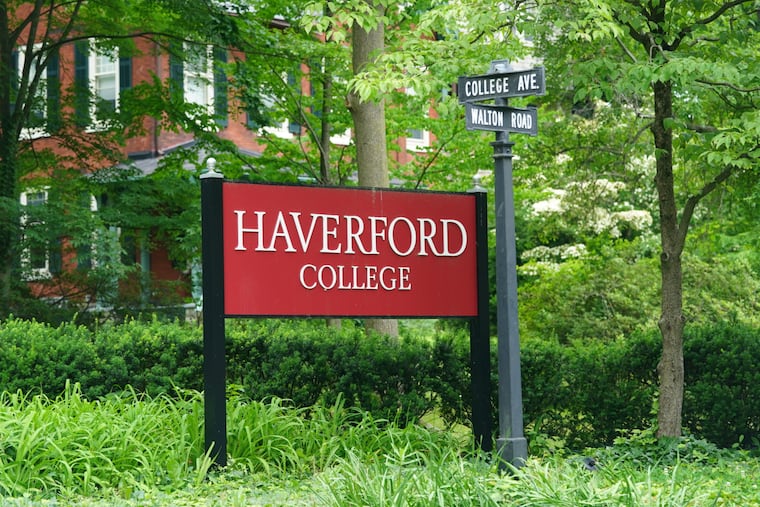
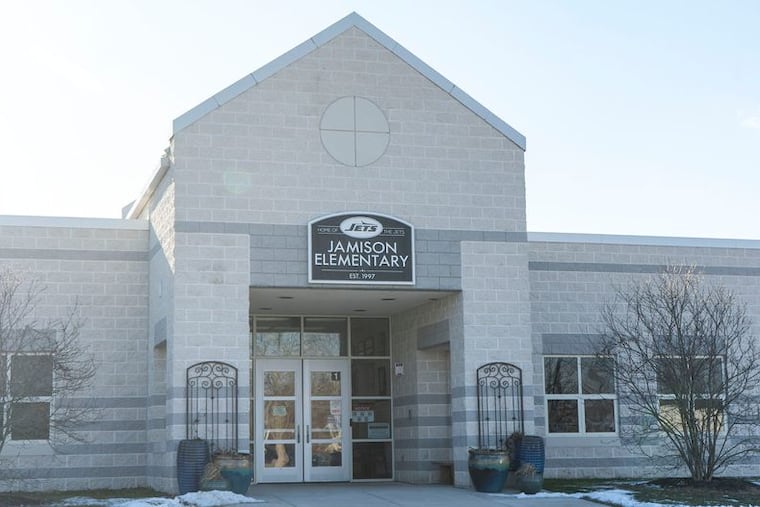
A group of alumni and students have called on Haverford College to “preserve the rights to free speech and academic freedom” after the college settled a lawsuit alleging it allowed antisemitic speech on campus and failed to support Jewish students amid a rising tide of anti-Israel rhetoric.
In an open letter, 340 alumni and students of Haverford, Swarthmore, and Bryn Mawr colleges voiced opposition to the settlement, writing it will ”abrogate the rights of all Haverford community members to academic freedom, free speech, and the thoughtful exchange of ideas.”
Concerned Jewish Faculty and Staff, a Massachusetts-based membership organization of Jewish university employees, published the Sept. 14 letter, which states that its signatories “affirm the necessity of combating antisemitism and all other forms of prejudice” while being “particularly mindful of the safety and rights of Palestinian students.” The letter references an act of violence against a Palestinian student in 2023. Kinnan Abdalhamid, a West Bank-born Haverford College student, was shot in Vermont that year.
The letter comes as the Trump administration has threatened sanctions and launched investigations into antisemitism on college campuses in the wake of the Israel-Hamas war and ensuing campus protests, actions that some advocacy groups say have suppressed pro-Palestinian speech on campus.
Haverford was sued in 2024 by a group of Jewish students, faculty, parents, and alumni represented by the Deborah Project, a pro-Israel legal group based in Merion Station that has filed suits against a number of schools and universities since the start of the war in 2023.
The lawsuit, filed in U.S. District Court for the Eastern District of Pennsylvania, said Haverford students faced discrimination for supporting Israel, including not being allowed to speak during campus-wide gatherings and being disrupted by bullhorns and cowbells during a meeting about antisemitism.
Ally Landau, a plaintiff and a student at the time of the lawsuit, alleged she was pressured to cancel an event promoting antisemitism awareness as it would prove “too antagonistic to the pro-Palestinian students on campus.”
After the lawsuit was initially dismissed by a federal judge, the college settled with The Deborah Project in August. Under the settlement terms, Haverford College president Wendy Raymond released a public letter affirming the college’s support of Jewish, Israeli, and Zionist students. The college confirmed that campus events hosted by Jewish or Israeli students would receive the same security as other campus programs and agreed to form an antisemitism committee and require annual antisemitism awareness training for students, faculty, and staff.
» READ MORE: Haverford College has agreed to new policies opposing antisemitism to settle a lawsuit
Lori Lowenthal Marcus, The Deborah Project’s legal director, said in an email that accusing The Deborah Project of weaponizing antisemitism “evokes the rank racism of the pre-Civil Rights era when racists demanded the law not be used to shield Black Americans from harassment and other harms.”
The student and alumni group has no legal standing to make demands regarding the settlement, Lowenthal Marcus wrote. She added that they “could be subject to legal action if they insist on continuing on their path of tortious interference.”
“Thank them for supplying their names and affiliations, so we know how to reach them,” Lowenthal Marcus wrote.
Dominic Mercier, a spokesperson for Haverford College, wrote in an email that the college understands “that the settlement has evoked strong feelings from many community members, both positive and negative” and that it is unable to share the settlement in its entirety.
The settlement did not change the college’s civil rights policy, nor did it change its official list of protected classes, which does not list Zionism, according to Mercier’s email. Community members are not prohibited from criticizing Israel or Zionist beliefs, however the college “prohibits conduct that crosses the line from protected speech into discrimination or harassment on the basis of a protected class,” Mercier wrote.
Academic freedom and freedom of expression “remain central to our shared experience and community expectations, and are not in tension with our continued commitment to be a campus free from acts of harassment and discrimination against any community members,” Mercier wrote.
The alumni and students who signed the Sept. 14 letter say the settlement designates supporters of one particular political belief, Zionism, as a protected class, a move they describe as stifling legitimate political debate and misrepresenting the beliefs of many Jewish people. The group wrote that the settlement follows a larger trend “in which organizations like the Deborah Project, together with politically-motivated operatives in the Trump administration, have weaponized accusations of antisemitism in order to silence criticism of Israel on campus.”
Raymond, in her August letter, wrote that all students, including those who support Zionism, are “welcome and enjoy equal access to the College and all of its educational programs and activities” and that acts of discrimination against Jewish, Israeli, and Zionist students “violate College policy and are antithetical to Haverford’s mission, values, and standards.”
The alumni and student letter called on Haverford to declare that the college’s non-discrimination and anti-harassment policies extend to Palestinian students. It also included demands that the college include material related to Islamophobia and anti-Palestinian racism in its annual Title VI training and ensure that antisemitism training does not “equate Jewishness with support for Israel, nor erase the existence of Palestinians.”
The letter also asked Haverford to affirm that members of a newly established antisemitism committee would not include individuals unaffiliated with the college.
The committee, whose members were announced the same day the letter was published, includes two Haverford professors; a member of the college’s board of managers; a student; the college’s director of interfaith life and practice; the director of the Chabad House at Bryn Mawr, Haverford, and Swarthmore; and a Haverford alumnus.
It will also include two members not directly affiliated with Haverford: Michael Balaban, president and CEO of the Jewish Federation of Greater Philadelphia, and Jeremy Winaker, a rabbi and the executive director of the Greater Philly Hillel Network, which serves Haverford’s Jewish Student Union.