The Flyers’ rivalry with the Ducks might be the strangest part of a strange Philly sports summer
What we have now are two organizations that have squared off in some high-stakes competitions — on the ice, yes, but the boardroom battles between them have been even better.
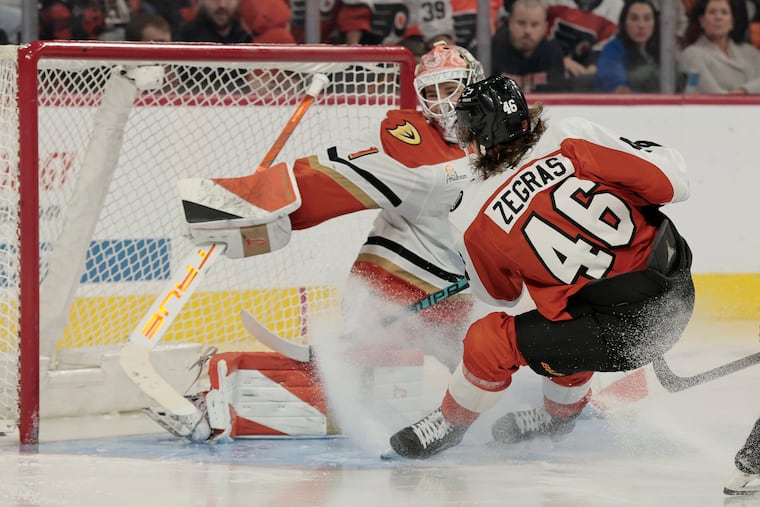
The Flyers’ schedule came out last week, and maybe I’m an exception in this regard, but I did not scan it immediately for games against the Penguins and Rangers and Capitals. My eyes fell on two dates: Saturday, Oct. 24, and Sunday, Jan. 3. A pair of unmissable matchups against the Flyers’ newest and most hated rivals: the … Anaheim Ducks?
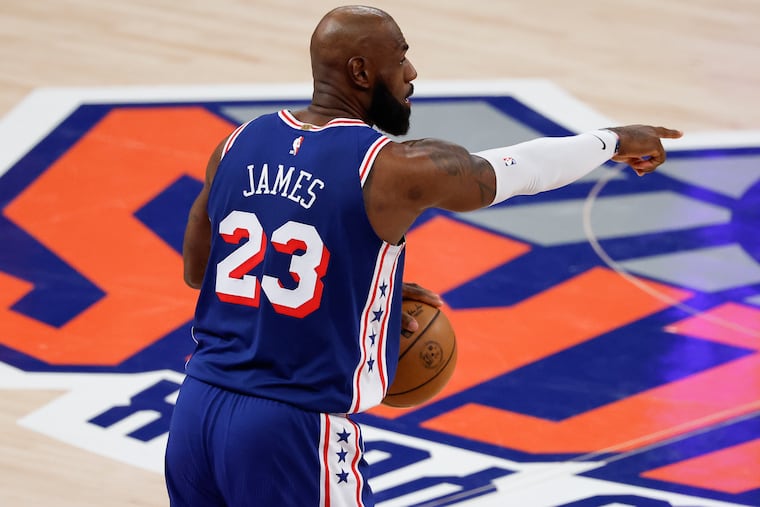
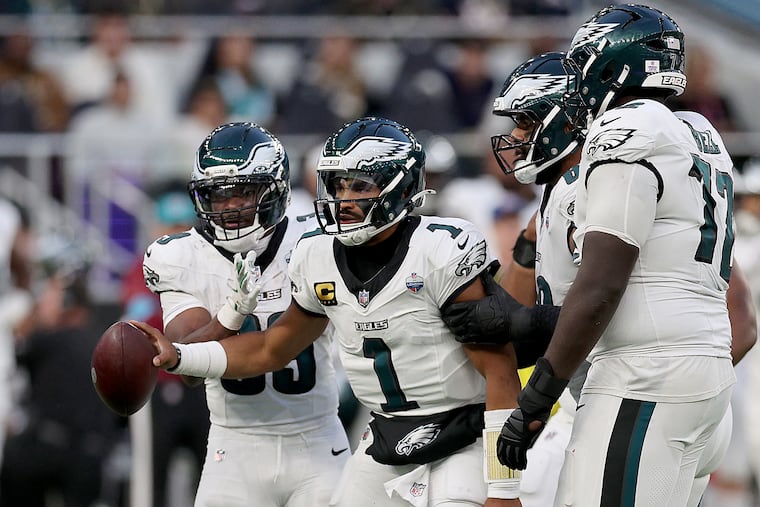
This has been an odd few months, in so many ways, for the Philadelphia sports scene. Think about some of the stories. The A.J. Brown trade watch. The reasons for that trade — i.e. his relationship, such as it was, with Jalen Hurts. The Phillies’ slow start. Their decision to fire Rob Thomson. Their inability to play reasonably intelligent baseball. The Sixers’ comeback over the Celtics. Their embarrassing sweep by the Knicks. Their decisions to fire Daryl Morey and hire Mike Gansey and trade for Jaylen Brown. Their nightly vigil for LeBron James.
But none of those developments, none of them, compares to the sheer weirdness of the rising tensions between the Flyers and their Disneyland-adjacent counterparts. Imagine the Eagles and their fans hating the Jacksonville Jaguars or the Phillies and their fans being obsessed with beating the … Los Angeles Angels of Anaheim, and you have a sense of just how strange it is that the Ducks have become mallard non grata around here.
» READ MORE: Soccer’s lingering post-World Cup problem, the new and ugly era of Brady-Belichick, and other thoughts
It’s one thing to despise Sidney Crosby; the guy is one of the greatest players in hockey history, has won three Stanley Cups, has tormented the Flyers for years, plays exactly the tenacious, win-at-all-costs style that would make him a god if he wore orange and black, and is based just 300 miles west of the Xfinity Mobile Arena. It’s another to despise a franchise that has been in existence for just 33 years, has won just one Stanley Cup (almost 20 years ago), and was named after a children’s movie. But here we are.
The origins of the bad blood are no secret, at least not to anyone who follows the Flyers closely. On Jan. 8, 2024, they traded Cutter Gauthier — the No. 4 pick in the 2022 NHL draft, the prospect who was presumed to be their top goal scorer and franchise centerpiece for the next decade or more — to the Ducks for Jamie Drysdale and a second-round pick. The deal was a shocker, and when Flyers president Keith Jones said during an NBC Sports Philadelphia interview that they traded Gauthier because “he didn’t want to be a Flyer,” Gauthier’s villain status was instantly established.

Mike Sielski alerts
The public sentiment here, with some exceptions, went from For chrissake, the Flyers let their future get away to Who the hell does that punk think he is? And Drysdale, whom the Flyers recently signed to a four-year contract extension and whom they consider an important member of their corps of defensemen, would forever be compared to the potential superstar the Flyers felt they had to give up.
“The only thing that it does and will continue to do moving forward is just motivate me,” Drysdale said Monday. “I want to be the best player I can for the city, for the team, for the fans, for everything. I know I still have a lot more to give, and that’s exciting for me on my end.”
Things have gotten only more intense since the Gauthier-Drysdale trade. It’s not just that the two franchises consummated another significant trade — and, for the Flyers, a so far highly successful one — 13 months ago, when Anaheim sent Trevor Zegras here for forward Ryan Poehling and two draft picks. It’s not just that the Flyers have beaten the Ducks all four times the clubs have faced each other over the last two seasons. It’s not just that the teams’ last matchup in Philadelphia, a 5-2 Flyers victory on Jan. 6, was loaded with checks and hits that sometimes crossed the line separating clean from dirty.
It’s this: Of all the possible maneuvers and gambits that Flyers general manager Danny Brière could have attempted this offseason to supercharge the team’s push toward Stanley Cup contention, he and his staff decided to target Leo Carlsson, maybe the Ducks’ most important player. On July 3, they sent him to a five-year, $90 million offer sheet, one that would have made Carlsson — 21 years old, nearly a point-per-game player last season, still improving — the highest-paid player in the league.
The Ducks always had the right to match the Flyers’ offer, and as expected, they did, and Brière and the Flyers still have to figure out how to acquire (or somehow develop) a top-line center. A disappointing result, to be sure. But from the Ducks’ perspective, the outcome of the Carlsson situation wasn’t exactly seashells and balloons. Brière made a bold move at Anaheim’s expense, forcing Pat Verbeek, the Ducks’ GM and a notoriously tough and frugal executive, to pay a price that he never would have otherwise chosen to pay to keep Carlsson — who had made it clear he wouldn’t have minded playing somewhere else. Plus, though the NHL’s salary cap is rising and will likely continue to rise for a while, the Carlsson deal promises to limit the Ducks’ ability to add or re-sign other vital players, including Gauthier.
» READ MORE: Without Leo Carlsson, the Flyers’ hunt for their pot of gold just got harder and longer
What we have now are two organizations that have squared off in some high-stakes competitions — on the ice, yes, but the boardroom battles between them have been even better. No, this coast-to-coast duel doesn’t immediately call to mind the fear and loathing that Philadelphia fans have had for the Cowboys, the Mets, and the Celtics. Yeah, it feels sort of silly to have a rivalry with a franchise whose spiritual forefathers are Emilio Estevez and the guy who played Pacey on Dawson’s Creek. But if it walks like a duck and quacks like a duck, it must be … well, you know.