What I learned eating all over Philly in 2025
Observations of a food writer from dining out in Philadelphia and beyond in 2025.
This year was a big one for eating at restaurants. I had the largest beat in scouting for The 76 this year, my first year doing so. For that list alone, I dined at 74 restaurants. For the other features, guides, and reviews I wrote, I dined at several dozen more.
It was fascinating to look at Philadelphia’s dining scene according to the cross sections provided by eating many of the same dishes, served in different establishments. I ordered gon chao ngau ho or beef chow fun all across the city, comparing the differences between many restaurants’ versions. Some of them were drastic, some more nuanced. This past year, I spent cumulatively two whole days at omakase counters. I tracked the culinary trends and trendy ingredients that pervaded dining rooms and kitchens: Caesar salad everything, fermentation going strong, late-night menus finally emerging from their post-pandemic slumber, and the continuing rise and diversification of little treat culture.
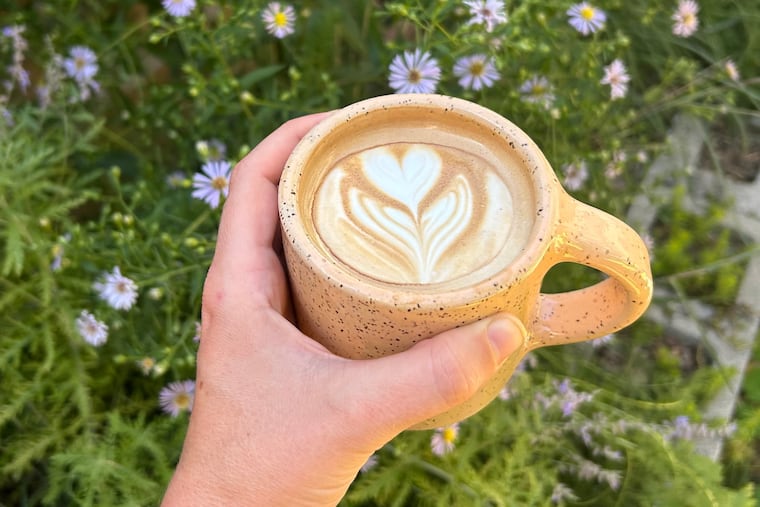
It was even more fascinating to look at the Mid-Atlantic as a whole (I spent the earlier part of the year splitting my time as a resident of both Washington and Philadelphia) and seeing what trends or tendencies were shared in restaurants up and down the Northeast Corridor. Most of what I noticed took place on the plate, though our dining scene was also marked by other trends: the surge of coffeehouses, the uptick in awards, and the proliferation of oyster bars.
Trendy techniques and ingredients do not exist in isolation. Philly’s dining scene is part of a larger ecosystem of American dining and as our restaurants attract more and more out-of-town visitors and our kitchens attract out-of-town talent (the presence of Michelin in Philly ensures both), the borders of what makes dining in Philadelphia will expand and open. Social media buffets these trends around the globe, like the shades in Dante’s Inferno.
What I learned eating all over Philly in 2025
All green everything
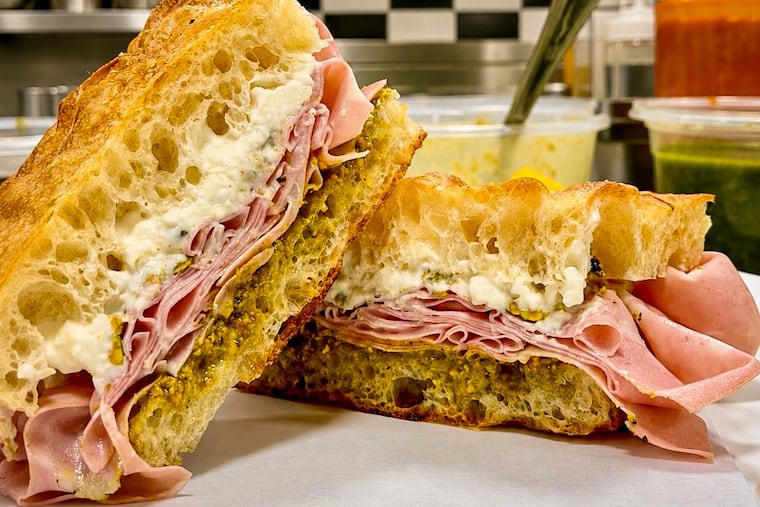
Matcha prices rose and quality fell, as farmers in Japan struggled to keep up with the global obsession with matcha that Philadelphia was not immune to. A similar trajectory happened with pistachios, as the Dubai chocolate bar maintained a chokehold on establishments from ice cream shops to smoothie shops and everywhere in between.
After 9 p.m. is back
Late-night menus are very much back, despite data supporting early dining as trending.
Big treats and little treats
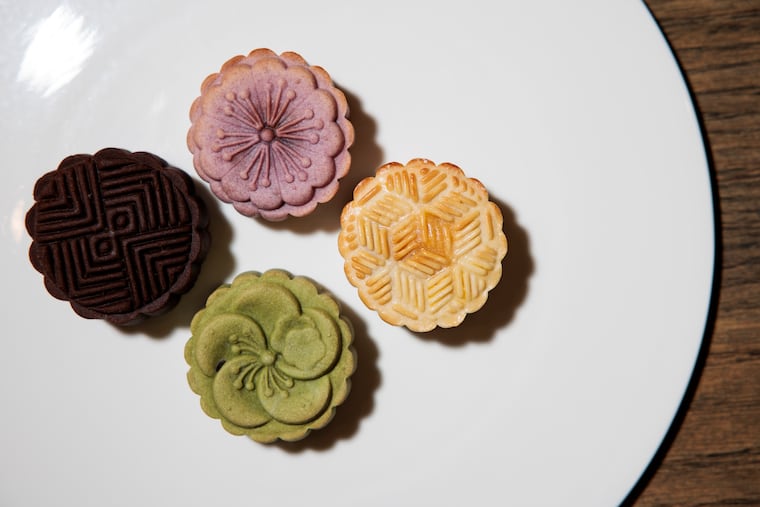
Steakhouses and bakeries dominated openings (in Philly, the latter was more the case). They also developed distinct personalities, informed by the cultural backgrounds of third culture kids. We got Baby’s Kusina, Seaforest Bakeshop, a wave of Indonesian cafes with fluffy pastries, and a host of other “little treat”-forward bakeries. New York and London reported similar little treat trends.
Nostalgia, or signs of a shifting economy?
Recession indicator foods like burgers and baked potatoes are dominating the discourse when it comes to restaurants’ marketing. I’ve also heard my friends hotly debate which restaurants in Philly serve the best cabbage dishes. Cabbage is the epitome of recession indicator foods.
Cocktails, both complicated and delicious
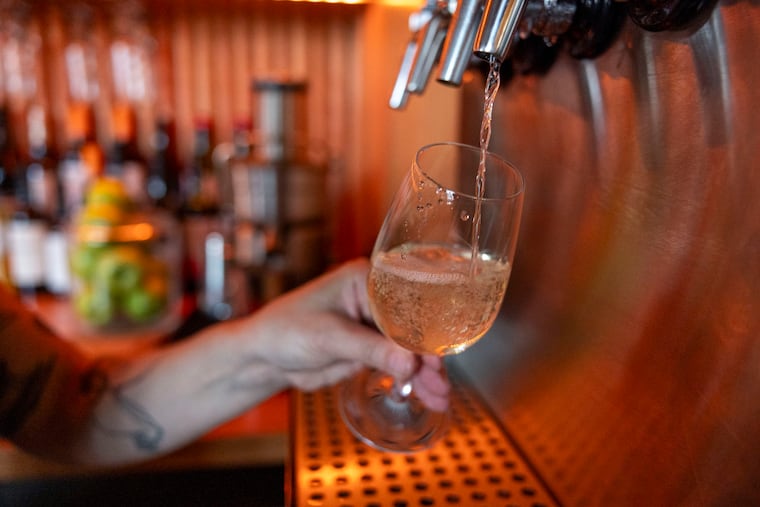
So much in-house fermentation and liqueur-concocting continues to fuel the creativity of Philly’s bars, especially with Almanac, La Jefa, and Honeysuckle leading the way in preserving foraged ingredients and brewing amazake, traditionally made with koji applied to rice but in Philly, bartenders are making it with everything from corn to sweet potatoes.
Hail, Caesar
I started my tenure at The Inquirer by covering the viral kale caesar cutlet at Liberty Kitchen. Now, just over a year later, there is nothing that cannot be a Caesar, whether it’s a martini or Scampi’s take on bruschetta. The word “salad” has now been elided from the dish.
Superb sauces, not enough rice
There simply isn’t enough rice on the menu to sop up the incredible sauce work happening in many of our newer restaurants. Ordering a side of white rice whenever I get a crudo at Sao or Mawn has become regular practice for me. I also longed for sides of rice when dipping into Uchi’s many, very saucy crudos.
I can’t see my food when I’m with you
The dining rooms are getting dark. I can’t see my food. And yet, we’re in the golden age of food photography.
No plates, no problem
Restaurants continue to love serving food on plates that are not plates, from the jewelry boxes that bear delicate squares of crispy rice topped with raw scallops, weighed down by rocks at Bardea, to just rocks at Honeysuckle, to cleaned out parts of animals like the tuna spinal jelly served in a cleaned-out piece of tuna spine at Nakama and the scallop sashimi in shells at Ogawa. When Elwood served its venison scrapple stabbed onto deer antlers in 2019, it broke the Philadelphian internet. Nowadays, you wouldn’t bat an eye. This phenomenon is worldwide. When I get my initial “snacks” course — they’re always called “snacks” at a fine dining establishment — it would be weird if they weren’t served on ceramic orbs like at Miro in Honolulu or ceramic test tube holders at Washington’s Jont or custom pieces made by Felt and Fat that resemble the surface of the moon at Provenance.
Break out the vinyl
Speakeasy cocktail bars are out. Inclusive listening lounges are in.
Every restaurant needs a hamachi crudo
Pickle martinis, chicken karaage, koji-aged proteins and vegetables, and hamachi crudo are on so many menus, regardless of cuisine or concept.
Let’s call it ‘American Fusion’
The term “New American” is so yesteryear, but the conglomeration of many different influences and dizzying collections of seemingly disparate global flavors on single menus pervade at ambitious restaurants like Wilmington’s Bardea, where muhammara and calamansi are on the same menu, to great effect, and Grad Hospital’s Banshee where, of course, there is a hamachi crudo but also patatas bravas on one menu.
Get off the list
Finally, we often keep going to the same places. The 76 was a great exercise in not doing that and I encourage you to dine out widely. To eat beyond the places that have endless notify lists on Resy. To only be blinded by the dark depths of current dining rooms, and not the hype that blankets hot new restaurants.