Phila. map program helps New Jersey police
In the three years since intruders forced their way into Juan Cuevas' Washington Township home, tied up his children, and beat him to death, police have been gathering information that they hope will lead to his killers.
In the three years since intruders forced their way into Juan Cuevas' Washington Township home, tied up his children, and beat him to death, police have been gathering information that they hope will lead to his killers.
This week, days after the anniversary of the homicide, authorities took their search for answers to Northeast Philadelphia, a few miles from where Cuevas owned an auto body parts shop.
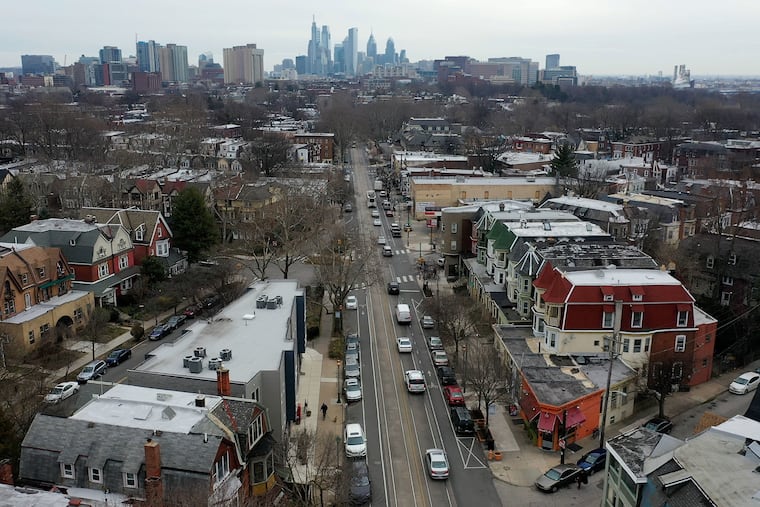
Going door to door in the blocks running from Tioga Street to Allegheny Avenue between I and F Streets, officers questioned residents about the people in the neighborhood. Who hangs out with whom? Who sells drugs? Who gets into fights?
Guiding the route was a computer mapping program that has helped the Philadelphia Police Department solve at least a dozen homicides by focusing on the people who live near crime scenes. This week marked the first time it has been used for a New Jersey case.
The program, Pinpoint, uses data from court and investigative records to identify possible witnesses, informants and suspects in a 400-yard radius, as well as people with outstanding arrest warrants. The program plots the locations of those people on a map, giving officers an extensive list of residents who may know something about a cold case.
"By nature, people do want to talk," said Philadelphia FBI agent Bill Shute, who developed Pinpoint in 2004 using existing Microsoft software. "With so many of these unsolved cases, the information is out there. We just have to go get it."
Though Cuevas was slain in Gloucester County, police say his killers most likely are rooted in Philadelphia. Authorities would not comment on how they came to focus on the area they canvassed this week, but Detective Stacie Lick, an investigator with the Gloucester County Prosecutor's Office, said individuals who have emerged as "people of interest" live there.
Investigators do not believe Cuevas was randomly attacked. They say he may have been targeted by people who watched him running his shop, G.I. June's Auto Parts on Germantown Avenue.
Four men in ski masks descended on Cuevas' house about 1 p.m. on Jan. 20, 2006, while Cuevas' teenage son was working on a car in the driveway. The men forced the teenager into the house, tied him up, and shut him in an upstairs bathroom. The men shut Cuevas' teenage daughter and son in the same room when they arrived home. Cuevas' wife was at work.
When Cuevas returned home from work shortly after 5 p.m., the assailants demanded money, according to the Prosecutor's Office. When Cuevas did not produce any, authorities said, the men took him upstairs and bludgeoned him to death.
Police have never publicly named any suspects, and the partial descriptions released had few details.
In scouring the streets this week, police learned about the habits and relationships of neighborhood residents. Some of that information may help them solve the Cuevas case; other tidbits could concern unrelated crimes.
"Some we just take to the bank and file away for the future," Shute said. "You don't know what kind of a connection can be made later."