CDC vaccine policy recommendations grind to a halt under Health Secretary Kennedy
The Centers for Disease Control and Prevention’s vaccine recommendation process has been blown up in the past year, and decision-making has stalled.
NEW YORK — The Food and Drug Administration recently approved a new flu vaccine that tested well in older adults. But the federal agency responsible for telling doctors and the general public how to use it has made no recommendation on it.
The Centers for Disease Control and Prevention’s inaction on the mFlusiva vaccine marks a break in longstanding practice. It’s also an example of how the agency’s vaccine review-and-recommendation process has been blown up in the past year, grinding decision-making to a halt.
Efforts by vaccine-wary officials in President Donald Trump’s administration to scale back shot recommendations have been put on hold. Federal guidance on new vaccines has stopped. And public discussion of vaccine policy questions that might cross political divides — including whether there’s solid evidence to justify giving fewer shots to kids — has diminished.
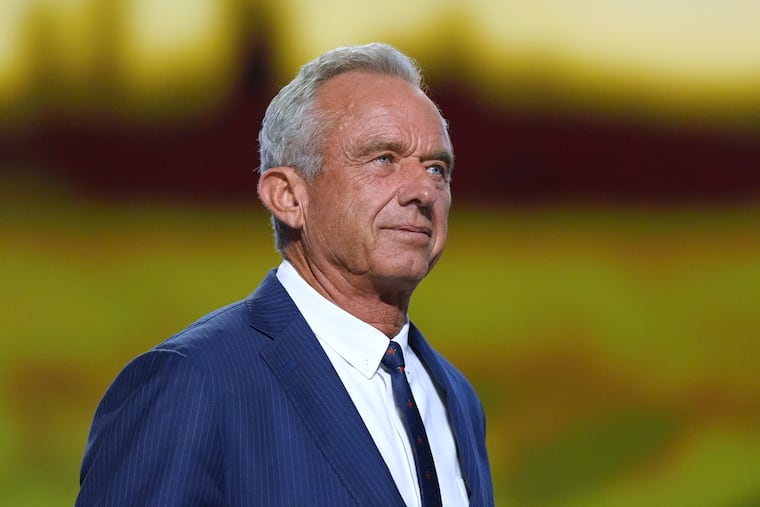
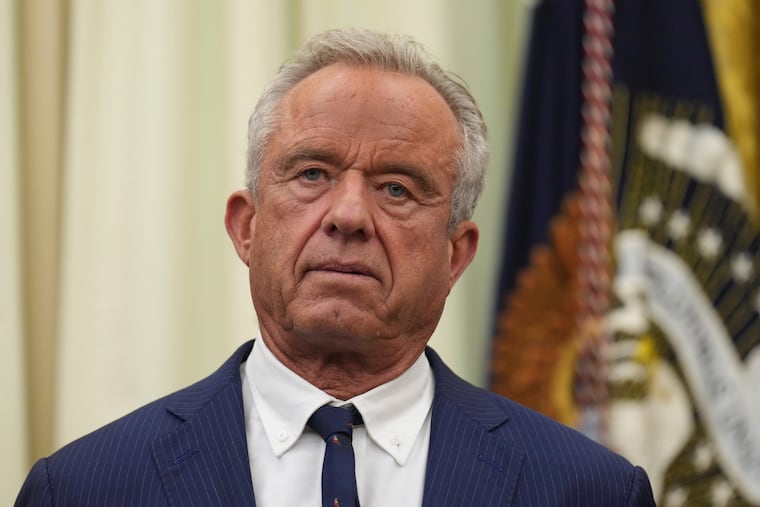
Health Secretary Robert F. Kennedy Jr.’s crusade to upend vaccine policy and the legal action opposing it have disrupted longstanding systems that deliver crucial health guidance to Americans, affecting whether people are getting the best available protection against vaccine-preventable diseases.
“We find ourselves at a point where even if credible evidence (for a new vaccine policy) has reached a tipping point, we don’t have an obvious mechanism that can formalize that change,” said Jason Schwartz, a Yale University health policy researcher who studies government health agencies.
Many in medical field praised a ruling that halted Kennedy’s changes
For 60 years, the Advisory Committee on Immunization Practices guided the CDC’s vaccine recommendations. The committee met publicly, reviewed vaccine data, and sought input from various health groups. The panel voted on recommendations that went to the CDC director, who almost always adopted them as the government’s guidance, leading public and private insurers to pay for the shots.
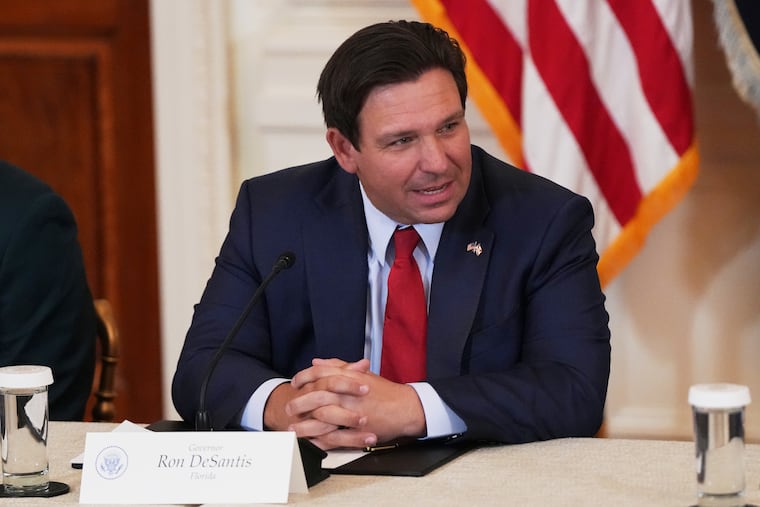
Trump, a Republican, appointed Kennedy to oversee federal health agencies, including the CDC. Kennedy last year dismissed the committee and replaced it with a group that included several anti-vaccine voices. Controversial decisions followed, leading to a lawsuit from the American Academy of Pediatrics and some other medical groups.
In March, a federal judge said Kennedy likely violated federal procedures, stopped Kennedy’s panel from holding further meetings, and suspended Kennedy’s decision to reduce the number of vaccines recommended for children.
Many in the medical and public health communities celebrated the decision and took the order as a respite from what they saw as the Trump administration’s assault on vaccines.
Jason Goldman, president of the American College of Physicians, said he hoped “it will mean a return to a transparent and evidence-driven process that safeguards the health of all communities and the best interests of our patients.”
In reality, the process stalled and splintered
With Kennedy’s committee shut down by the court order, doctors’ groups that used to collaborate with the ACIP have gone their own way. Working with a University of Minnesota researcher, they have debated — not publicly — the kind of medical evidence formerly presented at ACIP meetings and issued their own recommendations.
The trade association for private health insurers decided to heed the medical societies’ choices, and the insurers have continued to pay for shots recommended by those organizations.
Many of the groups’ recommendations match prior ones made by ACIP and the CDC before Kennedy’s arrival. But they also made their own updates.
For example, ACIP previously recommended that a new shot be given to women late in pregnancy: a vaccine against respiratory syncytial virus, or RSV, which can be dangerous to newborns. The government panel recommended that the vaccine be given between September and January in most of the U.S., to coincide with the time of year when RSV infections are most common.
But RSV season sometimes remains active longer. For that reason, the medical groups recently said the shot should be offered to those women through the beginning of March.
“We all recognized this needs to evolve,” Chris Regal, director of clinical innovation at America’s Health Insurance Plans, the health insurance trade association, said in a recent webinar.
The official CDC guidance remains unchanged.
Unanswered vaccine issues are piling up
The mFlusiva flu shot is another example of the unusual way vaccine policy updates have stalled.
The shot is the first flu vaccine made with the mRNA technology that was key to ending the COVID-19 pandemic. Kennedy has criticized mRNA vaccines and last year canceled contracts for the development of new ones. The shots also took a tortuous path through the FDA, which finally granted full approval in people ages 50 to 64.
But the CDC this month quietly posted that it has decided to maintain its flu vaccine endorsements from last year due to “legal uncertainties and inquiries.” That means mFlusiva is not among the listed flu vaccines recommended to the public this fall.
The medical societies are recommending it as an option, however.
Another ACIP function was to vote on whether certain vaccines should be covered by Vaccines for Children, a government program that pays for shots for children who have no health insurance.
The FDA approved updated COVID-19 vaccines, but as the summer dragged on — and fall vaccination campaigns got underway — the government would not say if the VFC program will pay for those shots. It was only this week that officials confirmed orders could be placed through that program.
HPV vaccine reassessment is derailed
Another question concerns the HPV vaccine, given to preteens to prevent certain cancers.
Two HPV shots are recommended, but some recent research has suggested that perhaps one shot could be enough — at least for girls. Indeed, in 2024 the ACIP formed a working group to begin a reassessment of the recommendations.
That work was derailed when Kennedy fired the entire committee. In January, he decided on his own to order that the number of recommended doses be reduced to one as part of a dramatic contraction of the childhood vaccination schedule. His decision was suspended by the judge’s order.
Experts are trying to better understand the timing and the duration of protection from just one dose, particularly in boys. The American Academy of Pediatrics is weighing a change to its HPV vaccination recommendations and could reach a conclusion later this year, said the AAP’s James Campbell.
It’s possible that the medical societies will end up agreeing with Kennedy on just how many HPV shots make sense. But that might not necessarily clear up the current mess, Schwartz said.
“The credibility of the Trump administration, when it comes to vaccine recommendations, is so compromised in the eyes of the mainstream medical and public health communities,” he said, “that even recommendations that might align with where the public health community was trending are likely to be viewed with skepticism or distrust.”
Meanwhile, the Trump administration is considering changing the federal government’s categories for vaccine recommendations, although a specific proposal has not been released and a Department of Health and Human Services spokesperson did not respond to questions about what is being contemplated. Public comments were due earlier this week.
An alliance of 15 Democratic state governors said the proposed changes are likely to increase confusion and administrative complexity.
“It’s Governors and their residents who bear the brunt of any increased disease outbreaks due to confusion related to hastily made federal changes,” Angela Botticella, managing director of the Governors Public Health Alliance, said in a statement.