Trump administration blocks $25 million in funding for national parks
The Interior Department blocked funds to more than 130 projects without providing reasons. “The real question is where did this $25 million go to?” said a former Park Service acting superintendent.
The Trump administration has blocked more than 130 projects in national parks across the country worth at least $25 million, according to internal documents reviewed by the Washington Post — funding that had already been secured for some of the most visited parks for work such as fire preparedness in California, prehistoric mound protection in Iowa, and sled dog care in Alaska.
The Interior Department, which oversees the National Park Service, said in a statement it “disapproved” a raft of planned agreements with groups it said work against administration priorities. The agreements were rejected last month and would have allowed the parks, including Yellowstone, Yosemite, and Zion, to pay outside partners for various projects in the next fiscal year that begins Oct. 1, the documents show.
Similar to issuing government contracts, the Park Service often partners with outside organizations when specialized expertise or work is needed, allowing it to do work without hiring additional full-time federal employees. The blocked funding instead puts additional pressure on a national park system that has struggled with losing roughly a quarter of its staff since President Donald Trump took office last year and launched efforts to shrink the government.
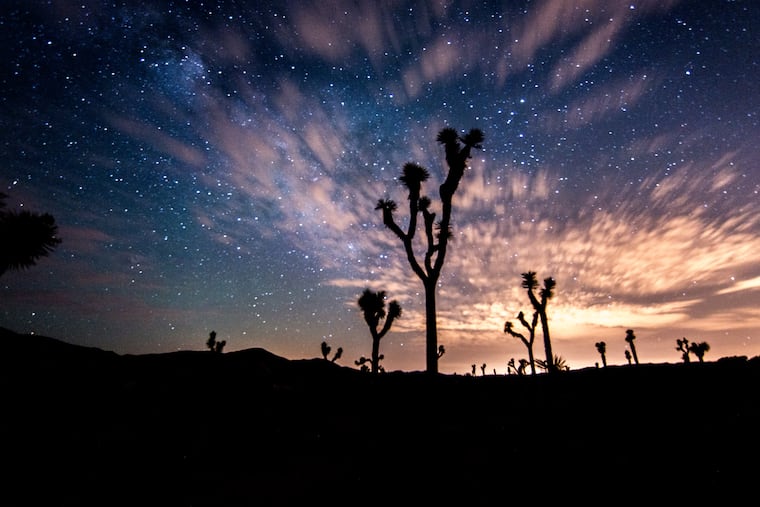
The changes appear to most affect Joshua Tree National Park, which had at least 10 planned partnership agreements blocked. That park’s partnership agreements would have hired at least 16 people, helped recover areas in the park burned in wildfires, and removed rodents that carry hantavirus from historic buildings, among other activities listed in the documents.
“If this work is not completed, the park will be unable to fight wildfire. Fires will be larger and fire suppression will be more expensive,” the documents read, describing the impact if a fire preparedness project at Joshua Tree does not gain funding.
Interior spokesperson Aubrie Spady confirmed that the department “disapproved a number of partnership agreements with groups actively working against the best interests of the American people and the priorities of this administration.”
“This decisive action is ensuring that these taxpayer dollars are being used in alignment with the administration’s objectives to make life more affordable for Americans, unleash domestic energy production, and expand access to our public lands,” Spady added.
She did not give further details on the agreements or partner organizations affected.
The entire batch of more than 100 disapproved projects had already secured funding sources generally through congressional appropriations, existing federal programs that fund activities such as fire prevention and recovery, or competitive internal processes to fund the most pressing park needs.
The projects were seeking review by the Interior Department as a final step before the agreements could be signed and the funding released.
Trump launched efforts at the start of his latest term to purge the government of work on diversity, equity, and inclusion (DEI), climate change and other areas deemed to be “woke” or liberal causes. Since January 2025, entire government departments have been shuttered, and thousands of grants have been canceled. Spady did not respond to questions on whether the agreements or organizations specifically ran afoul of those administration-wide policies and did not elaborate on why the agreements were blocked.
The Great Basin Institute, a nonprofit conservation group, was the top outside organization to see its partnerships blocked and confirmed that Interior blocked more than 70 of its proposed partnership agreements, worth at least $12.7 million.
Peter Woodruff, chief executive of the Great Basin Institute, said the Interior Department did not notify the institute directly. Instead, staff at partnering parks told them of the news, saying that it was because of funding priorities and issues of compliance with secretarial and presidential orders.
Beyond that, Woodruff said he does not know why the agreements were blocked.
“GBI’s standards remain staunchly nonpartisan through six presidential administrations, with a mission of supporting public lands management and the agencies charged with that mission,” Woodruff wrote in a letter to Interior asking for clarity on what policies the partnership flouted.
“GBI has no advocacy directives and does not engage in or support any actions counter to Executive Orders or Secretarial Orders.”
The Great Basin Institute had reaffirmed its commitment to its own diversity goals in 2020, during the first Trump administration, according to pages on its website that have since been removed but are available on a third-party archiving site.
Woodruff said that statement reflects past views of leadership from before Trump’s 2025 executive order on DEI.
Current institute leadership “can unequivocally state operations are in full compliance with all federal laws, regulations, and executive orders, and does not engage in unlawful preference or discriminatory practices,” he said.
Four Park Service staffers, who were not authorized to speak to the media, said they received no details about why their agreements were disapproved beyond a message included in the documents that said “Disapproved by DOI.”
The message said the Park Service and Interior had reviewed the request, and any questions should be directed to regional or associate directors, without elaborating further.
DOI approved more than 700 other agreements this year through early August. Projects of less than $50,000 do not require Interior review.
Money not spent on the disapproved projects could be diverted elsewhere by the Interior Department, some of the staffers said, although it is not clear where the money would go.
“The real question is where did this $25 million go to?” said Elaine Leslie, a former Park Service acting superintendent and wildlife biologist who reviewed the disapprovals list. “$25 million worth of funding was set aside for these projects. Where is it?”
Spady did not respond to questions about the money being redirected.
The blocked partnerships also include one at the Effigy Mounds National Monument in Iowa, where there are more than 200 prehistoric Native American mounds, many of which were used for burials or shaped like animals.
An outside partner would remove trees on the mounds at the monument’s Sny Magill unit to ensure they are not damaged.
“The mounds at Sny Magill will remain at risk from tree fall that might expose the human remains buried within these mounds,” the internal documents said. “Sixty-one of the proposed tree removals are currently within a mound risking severe damage should the tree fall.”
Another partnership with the San Francisco Zoological Society would have helped raise and release juvenile San Francisco garter snakes in the Golden Gate National Recreation Area to ensure the endangered species does not go locally extinct, according to the documents.
One blocked agreement would have hired three people to provide day-to-day care for sled dogs in Alaska’s Denali National Park and Preserve. Park rangers use dog sleds to more easily traverse the park and assist visitors in the winter.
“Without funding, kennel operations will lose essential support, reducing dog care capacity, limiting winter patrol readiness, and decreasing visitor engagement,” the document says.