Trump administration moves to further limit SNAP eligibility, affecting millions
The proposed regulation would eliminate an additional 6.3 million people from the largest federal anti-hunger program, particularly impacting the working poor.
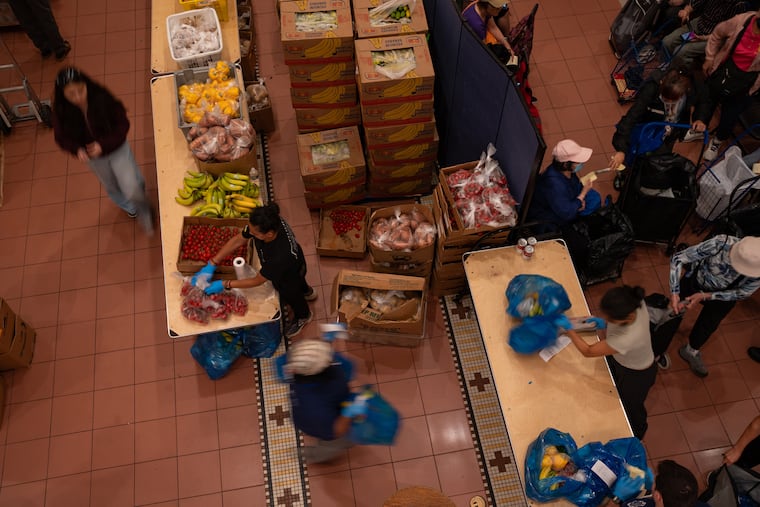
WASHINGTON — The Trump administration proposed a regulation Tuesday that would restrict eligibility for the Supplemental Nutrition Assistance Program, moving to eliminate an additional 6.3 million people from the largest federal anti-hunger program in the nation.
The proposal would further winnow the rolls of a program that conservatives have singled out in trying to shrink the social safety net. This time, the federal government is taking aim at a policy that allows states to expand participation in SNAP if a person qualifies for a different type of assistance. Enrollment in SNAP has already declined by more than 5 million people, to about 36 million, since cuts to the program under the Republicans’ tax cut and domestic spending bill passed last summer.
Even though it remains unclear when and whether the proposal will ultimately be enacted, it highlights the administration’s push to make major changes to the safety net even after voters signaled that affordability was a major concern in the midterm elections. Democrats, who secured commanding majorities in part by promising to address the issue, will be sworn into the Senate and House, and they have indicated that they intend to delay or even roll back such cuts.
Gina Plata-Nino, the SNAP director at the Food Research and Action Center, warned that the change, should it take effect, would have far-reaching consequences. “This particularly impacts what we call the working poor,” she said. “It’s individuals that are working two to three jobs, but they’re just not making enough.”
In President Donald Trump’s second term, the administration has drastically reshaped how the federal government defines need. It has altered, among other categories, who is eligible, who must work to receive benefits, and how much beneficiaries receive.
The proposed new regulation, by the Agriculture Department, would chip away at the food-aid program in a different way.
Under the rule, the administration would limit the reach of a policy known as “broad-based categorical eligibility,” which allows more than 40 states to expand SNAP access to households that receive aid from the Temporary Assistance for Needy Families program but have assets above the normal SNAP threshold. The rule would eliminate eligibility for those who receive noncash assistance such as childcare vouchers or job training from the program. The public will have 30 days to comment.
The Agriculture Department, in its proposal, said the policy should be eliminated because it expanded the program “to households without demonstrated needs and reaches far beyond the congressional intent to simplify eligibility determinations for needy households.”
Critics of the policy have also pointed to the policy’s facilitation of “absurd outcomes” such as allowing individuals to collect food aid even though they have won the lottery or have significant assets in retirement accounts or brokerages.
States have used it to eliminate asset thresholds for SNAP eligibility (broadly, $3,000 for most households) and to increase income eligibility from the standard 130% of the federal poverty level (about $43,000 in annual gross income for a family of four) to 200% of the level (about $66,000).
The Agriculture Department, in an analysis posted along with the rule, estimated that the restriction would result in the decline of 6.3 million people from SNAP in the 2029 fiscal year, the first year the rule would take full effect, and would cut spending on benefits by more than $50 billion over five years.
Because SNAP eligibility applies to other federal poverty programs, the rule would also remove nearly 1.8 million children from free school meals, and more than 5,000 would lose access to a program for low-income mothers and children, the agency estimated.
The Agriculture Department’s projections for enrollment declines in SNAP and other aid programs are most likely understated, said Eyang Garrison, the managing director of domestic policy for the anti-hunger charity Save the Children. She added that the numbers did not include families who might still be eligible for programs but could face logistical burdens.
“There’s just this ripple effect that is going to cause significant harm to children and families,” she said.
The Agriculture Department proposed a similar rule in 2019, during the first Trump administration, but never finalized the regulation. The Biden administration withdrew the proposal in 2021.
This article originally appeared in the New York Times.