Lower Merion may raise property taxes for the third consecutive year amid mounting financial headwinds
Township staff have proposed a 19% tax increase, however the final number will be decided by the board of commissioners over the next month.
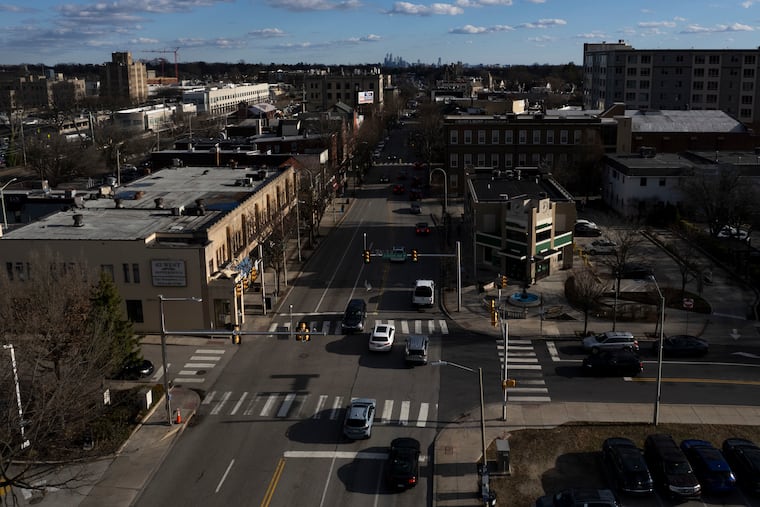
Lower Merion is weighing a property tax increase for the third year in a row as personnel and infrastructure costs strain the township’s budget.
Township staff have proposed raising real estate taxes by 19% in 2027, which they say would bring in an additional $6.8 million to help offset costs from increased staffing, healthcare and pension obligations, storm response, and police overtime.
If passed by commissioners, it would be the third consecutive annual increase in Lower Merion after 13 years of no increases. The township raised taxes by 6.5% in 2025 and 8% in 2026.
Though the 19% recommendation from staff has prompted sticker shock from some residents, any tax increase will ultimately be decided by the board of commissioners, which is set to adopt the 2027 budget on Dec. 16 after a series of public hearings.
The board has amended staff recommendations in the past (commissioners last year approved an 8% tax increase despite staff suggesting 9.5%), and some commissioners at a Wednesday night meeting seemed poised to favor a lower rate for next year.
With the proposed increase, property owners with the median assessed home in Lower Merion of $287,600, which equates to a market value of about $966,000, would owe an extra $263 annually.
Lower Merion property owners continue to pay real estate taxes calculated on property values established in 1998, the last time Montgomery County reassessed property, according to a report in the 2027 proposed budget penned by township manager Ernie McNeely.
Commissioner Gilda Kramer said at the meeting that more than a decade without an increase left the township needing to levy higher taxes.
“Our residents have had the benefit of tremendous stability and no increases while our costs have gone up for many, many, many years,” Kramer said.
Board president Todd Sinai argued the township has little room to cut spending given the many rising costs baked into the budget.
“There aren’t a whole lot of places that we have much discretion, unfortunately,” Sinai said.
Township staff said they can look into trimming the budget, but warned that cuts would likely mean eliminating staff. Two-thirds of Lower Merion’s general fund expenditures go toward staffing.
» READ MORE: Lower Merion commissioners approve 8% tax hike, citing ‘looming cliff’ after 13 years of no increase
Officials say Lower Merion is facing considerable budgetary headwinds, including higher pension obligations and a 19% rise in employee healthcare costs.
“We are getting hit hard by healthcare,” Adam Szumski, Lower Merion’s chief financial officer, told commissioners.
The township hired a number of employees in 2026, including 17 new police officers.
Lower Merion also faces high remediation expenses from winter and summer storms and plans to direct money to its solid waste fund, which is facing acute budget pressures.
While the township is projected to bring in $6 million more than expected in revenue in 2026, due largely to strong business and transfer tax revenue, investment income, and licenses and permits, spending is expected to be $1.7 million over budget. The township is projected to end 2026 with a fund balance of $23 million.
According to McNeely’s report, Lower Merion has two main avenues for raising revenue: increasing property taxes or levying an earned income tax.
The township is among the 3% of municipalities in Pennsylvania without an earned income tax. Local governments across the commonwealth, many facing similar budget pressures, have moved to implement earned income taxes in recent years, in many cases reducing their reliance on regular property tax increases.
Lower Merion staff have recommended against an earned income tax, however, arguing that even with the proposed 19% property tax increase, the township’s millage rate would be around average for the county, and that, per the report from McNeely, an earned income tax would be “much more disruptive and significant” for taxpayers.
The first public hearing on the budget will take place on Nov. 18.

Inquirer Lower Merion
This suburban content is produced with support from the Leslie Miller and Richard Worley Foundation and The Lenfest Institute for Journalism. Editorial content is created independently of the project donors. Gifts to support The Inquirer’s high-impact journalism can be made at inquirer.com/donate. A list of Lenfest Institute donors can be found at lenfestinstitute.org/supporters.