The how behind Scott Colom’s stunning victory in Mississippi is not nearly as important as the why
He became the state’s first Black senator since the 19th century thanks largely to African American voters who were angered by the existential threat Donald Trump posed to our people.
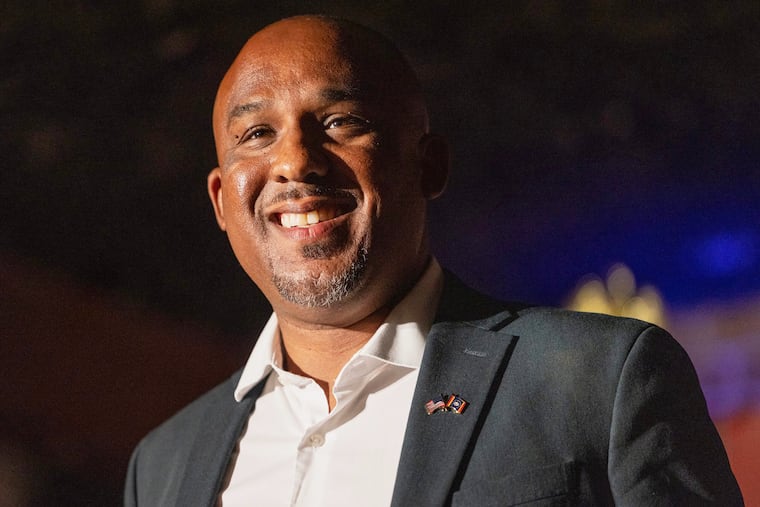

Democrats have secured a stunning victory in Mississippi, with veteran prosecutor Scott Colom narrowly defeating incumbent Republican U.S. Sen. Cindy Hyde-Smith to become the Magnolia State’s first Black senator since Reconstruction.
Like the victory in Georgia by Keisha Lance Bottoms, who became the first Black woman elected governor in U.S. history, and many other races in this year’s midterms, Colom’s unlikely win was largely driven by high turnout among Black voters. But it’s not enough to know that African Americans voted in droves.
We also need to understand why.
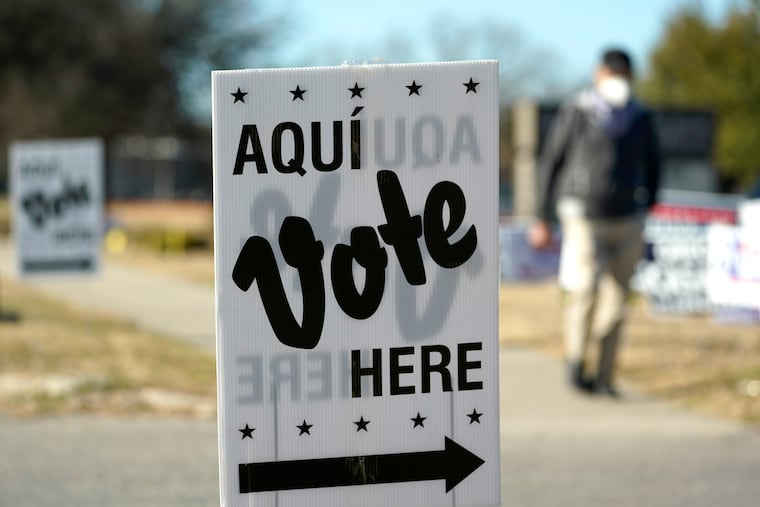
Black voters, much like those from other demographics, flocked to the polls because of the inflation tied to the president’s war of choice with Iran and his ongoing tariffs. More important, we voted because we were angered by Donald Trump’s brazen attempt to relegate us to second-class citizenship.
We spoke with our ballots across generations and geography.
We spoke with our feet as we marched to the polls.
We spoke with determination as we pushed through every obstacle that the president and his allies placed in front of us.
For Black voters, this was about more than high gas prices. It was about the existential threat the Trump administration posed to our people. With anti-DEI policies that triggered the loss of hundreds of thousands of jobs, especially among Black women; with the erasure of Black history and the elimination of Black polling places; with the redrawing of district lines to squeeze out Black representation, Trump made it clear: We were being targeted — so we fought back with the most potent weapon a democracy can offer. We responded with our votes.
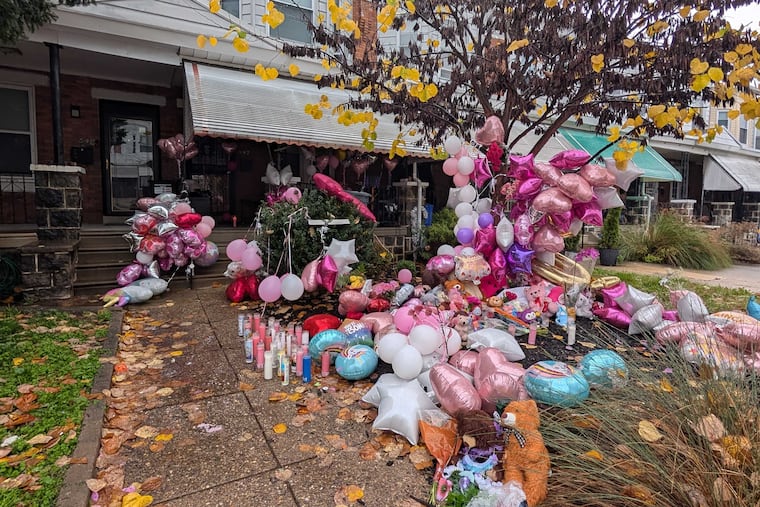
Just as we’ve always done, African Americans stood up and acted as our country’s conscience. In Mississippi, that meant remembering Medgar Evers, who was murdered 63 years ago as he fought for Black voting rights. It meant remembering that in July, a Black teenager, Nolan Wells, died under questionable circumstances in the same state. It meant knowing that past is prologue, and that history’s horrors can reemerge, even in the midst of moments that appear to move us forward.
» READ MORE: Mississippi’s hard history, a search for justice, and the strange death of Nolan Wells | Solomon Jones
I remember the jubilation that followed Joe Biden’s victory in the 2020 presidential election. Having watched 375,000 Americans die as a result of the COVID-19 pandemic that year, many Americans were repulsed by the air of incompetence and racism we’d experienced during Trump’s first administration. We were eager to wash our hands of it all. Then came the lies.
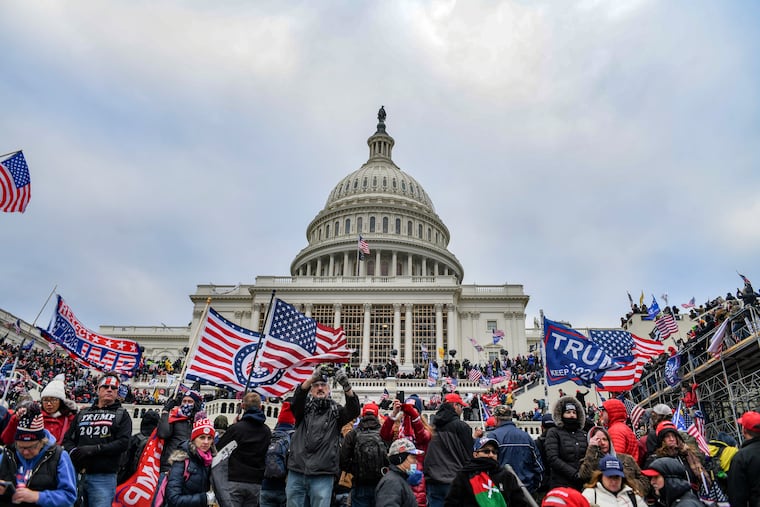
Donald Trump told his followers that the election was stolen, and repeated that falsehood for months. By Jan. 6, 2021, the stage was set for celebration to turn to terror. Thousands of Trump supporters stormed the U.S. Capitol to stop the transfer of power. More than 140 police officers were injured, and approximately 1,270 of the rioters were criminally convicted.
Now, in the aftermath of the midterm Democratic landslide, history could very well repeat itself.
Trump is now claiming that the midterm elections were corrupt, and he is using his social media platform to promote the idea that the Democrats’ victory was not “honest.” Trump has also sought to undermine the early voting results and he’s claimed that the Alaska senatorial election was “rigged.”
These are the same kinds of claims Trump made when he was defeated in 2020, so if the previous pattern carries through to completion, others will echo those claims, anger will consume his followers, and violence could result.
Trump has already pardoned about 1,500 people who were either charged or convicted in the insurrection. Given that they’ve already shown their willingness to sow chaos on the president’s behalf, we must be ready for them to do so again.
We must also accept that many GOP legislators are still loyal to the president, as evidenced by their successful defeat of Kentucky Republican Rep. Thomas Massie’s attempt to impeach Defense Secretary Pete Hegseth.
For Black voters, however, it’s about much more than understanding the ongoing threat posed by Trumpism. It’s about reaping the benefits of our votes.
Democratic victories don’t matter if we still lose economically. Nor do we benefit if racism goes unchecked.
The symbol of Black representation is no longer enough for us. Black people must get wins beyond the vote.
About our columnists
In contrast to news reporters, who operate within an independent, nonpartisan framework, columnists are charged with including their perspectives, opinions, and viewpoints when presenting their reporting. Inquirer columnists include Jenice Armstrong, Will Bunch, Luis F. Carrasco, Paul Davies, Daniel Pearson, Trudy Rubin, and Sabrina Vourvoulias.