Even with $9.2 million in recent funds, a Germantown housing and community center needs more help
The Germantown Life Enrichment Center offers housing for formerly homeless men, and functions as a community center for all.
You might roll your eyes if a real estate agent tells you about a fixer-upper with a lot of potential. But that truthful line of persuasion has been working for supporters of the Germantown Life Enrichment Center.
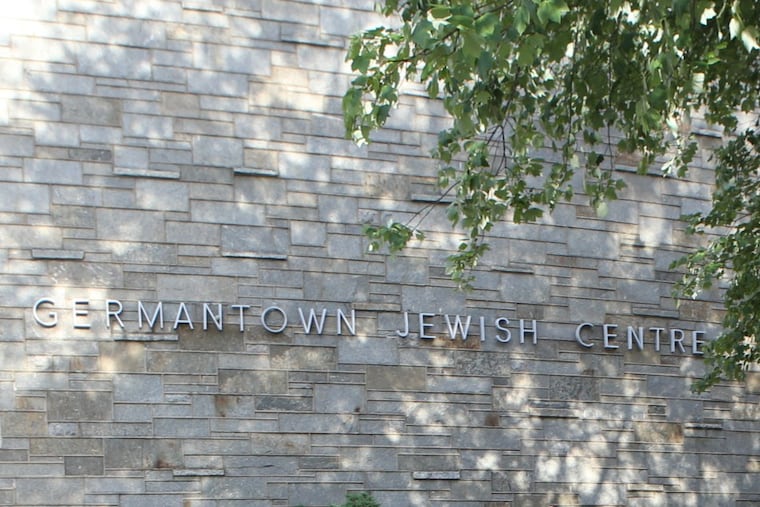
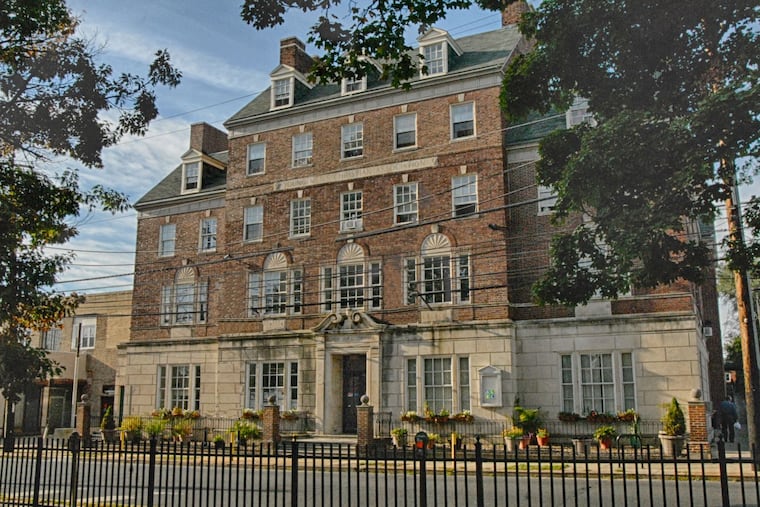
The center, known as GLEC, is an unusual two-in-one facility at 5722 Greene St. It offers an array of community programming, including pool, fitness, and youth activities, and transitional housing for formerly homeless men.
The former YMCA building opened in 1922, and has not received major renovations since the 1990s. It has gradually decayed while waiting for essential repairs, including to its HVAC system and roof.
The building was in dire financial condition in late 2024 into 2025, after the pandemic hurt memberships and childcare participation. Utility bills and shutoff notices piled up, and it appeared the center could close at any time. Germantown would lose a vital community resource, and one of the city’s few housing options for homeless men would disappear.
But over the last several months, GLEC has begun receiving support it has long needed, by way of a combined $9.2 million from various sources. In the spring, the center learned it had been awarded $5 million from the city’s funding for homeless housing, courtesy of the American Rescue Plan, to use on its residential section. Then the center received an additional $2.5 million for the creation and repair of residential housing units in July from state funding. The money will go toward new central air-conditioning, new showers, updated bathrooms, and more.
Last week, GLEC learned it will receive about $950,000 from state Local Share Account funding, raised from gaming revenues, which will go toward repairs to the building’s community center offerings, like replacing the basketball floor and renovating locker rooms and bathrooms.
And on Sept. 17, Democratic State Sen. Art Haywood presented GLEC with a $750,000 grant from a state program that goes toward housing affordability and rehabilitation measures, also meant for improvements to the community center sections of the building.
The inflow of funding represents a remarkable and hopeful turn of events for those who have fought to keep the building open.
“It feels like a miracle. … I’m so profoundly grateful to the entire community that rallied around to to work together to make this happen,” said Doron Taussig, chair of the GLEC board.
Yet even with those funds, Taussig said, the building’s daily financial challenges remain.
The center still operates with a monthly deficit of about $25,000, executive director and CEO Lyn Keubler said. She said even while the major investments from the city and state suggest they are committed to the center’s being used for this kind of housing work for the next 30 to 40 years, there is still a long way to go before all of its needs are met.
“Even though we’ve gotten awards … it’s not money in the bank that can pay your electric bills,” Keubler said.
Not finished
When the center hit its low point at the end of 2024, Keubler said, she began warning people that without an intervention soon, “we’re not gonna be here.” She invited Haywood, who represents parts of Philadelphia and Montgomery County, to tour the building that December to see both its potential and how much was needed to reach it.
“There’s not many places for men who have been hard on their luck,” Haywood said, noting that it is one of the few single-occupancy housing options for homeless men in the city. He said he admired the resiliency of the center’s leadership, and agreed to help secure funding.
“The organization just needed a lot of love,” he said.
While Haywood and other officials went to work to preserve the building’s long-term future, Taussig sought out smaller donors to help with the daily expenses. For over a decade, the center has been the home of Taussig’s pickup basketball group, which nicknamed itself “Dadball.” The group of once-new dads in their 30s and 40s kept playing as their kids grew up, and formed a community.
In April 2025, one of the group’s most beloved members, Greg Anderson, died after suffering cardiac arrest during a game. In their grief, Taussig and the other Dadballers rallied and raised about $100,000 to keep the center open. They have since renamed the basketball gym in Anderson’s honor.
Keubler said the organization determined it needs about $4 million more to address all of the community center renovations, so several items are on hold, like installing an elevator. She is asking community members to help in any way they can.
“We are further than we’ve ever been. It helps you not be weary,” said Keubler, who has been with the center for 16 years.
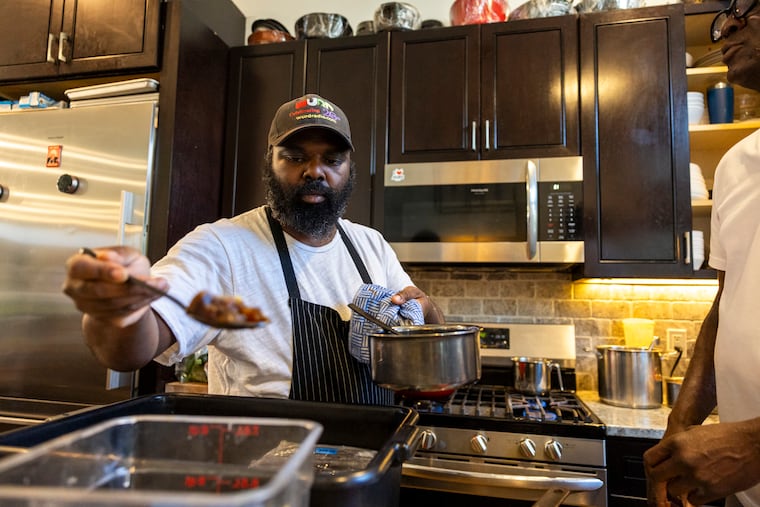
People are riding the fundraising momentum, Taussig said. Another Dadballer will soon begin a culinary education program focused on teaching people to make affordable, high-nutrition meals. Anderson’s widow, Melanie Anderson, is organizing a women-only dance party in the basketball gym, he said.
And a Jefferson University master’s in architecture class is conducting a community design project on GLEC. The students will study the building and surrounding community for what the best uses of the space may be, and offer suggestions on how to accommodate them, Taussig said.
“It’s bringing all of this energy into the building. … It’s what this building needed and really ought to be used for,” Taussig said.